2026-11-28 · 7 min read · Salt Lake County
You Closed on a Salt Lake County Home. What Should You Do in the First 30 Days?
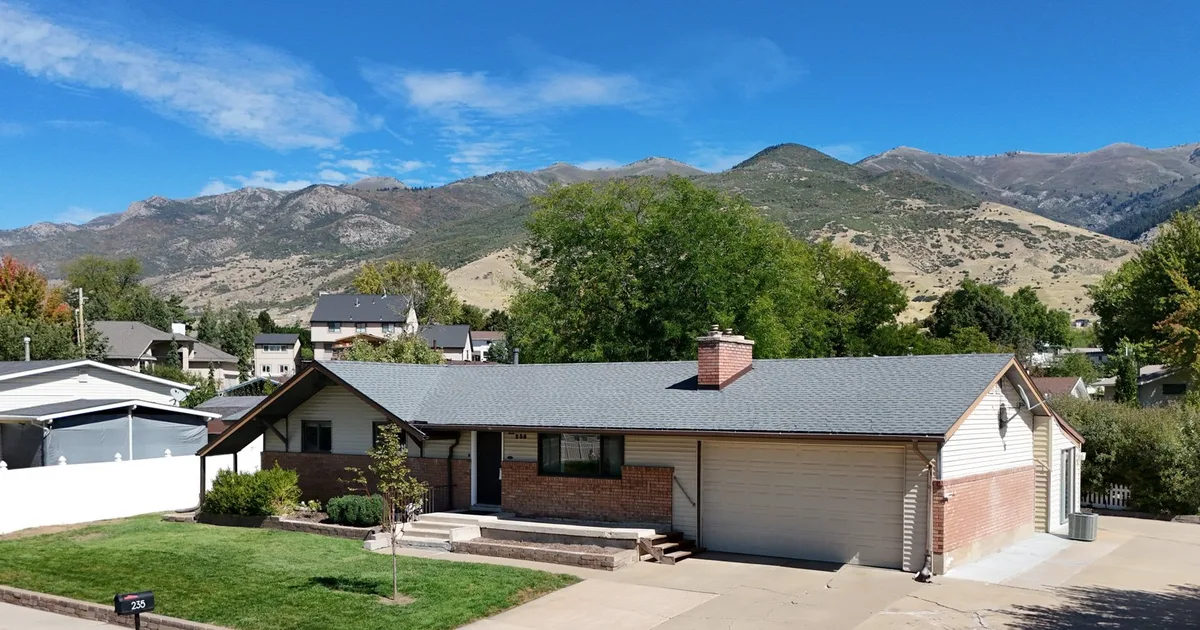
What should you do first after you close on a Salt Lake County home?
Start with security and safety, then the paperwork. In the first week, change or rekey the locks, find the main water shutoff and the electrical panel, test the smoke and carbon monoxide detectors, and put your closing documents in one place you can find later. In the next few weeks, get the house ready for winter, set up every utility in your name and watch your mail for property tax forms and look-alike offers. That covers most of what matters in the first month after you buy in Salt Lake County.
Charisse Walker is a real estate agent with Chalker Properties Group in Salt Lake and Davis County, Utah, and a licensed mortgage lender. This is the checklist she walks her buyers through after closing, because the first month is when small things get missed and turn into bigger ones later.
Why should you change the locks right away?
You have no idea how many keys to the house are out there. The sellers had keys, and so may a neighbor, a dog walker, a contractor or a relative. Rekeying the locks costs less than replacing them and takes a locksmith an hour or two. If you are handy, a rekey kit from a hardware store works on many common locks.
Do the same for everything with a code. Reset the garage door opener and its keypad. Change the code on any smart lock, thermostat, doorbell camera or alarm panel, and remove the old owner's account from those apps. Ask the sellers for the codes if you did not get them at closing.
Which shutoffs should you find in the first week?
Find them before you need them. A burst pipe at night is a bad time to start looking.
- Main water shutoff. Often in the basement near the front of the house, where the water line comes in. Some homes also have a shutoff at the meter near the street.
- Electrical panel. Check that the breakers are labeled. If they are not, take an evening with a helper and label them.
- Gas shutoff. Usually at the meter outside. Learn where it is, and leave turning it back on to the gas company.
- Water heater and furnace. Note the age on the labels. Your inspection report likely lists them too.
Take a photo of each one and keep the photos on your phone. If someone else is home when something goes wrong, you can text them a picture.
How do you get a new Salt Lake County home ready for winter?
If you closed in late fall, some of this may already be due. Change the furnace filter on day one, since you do not know when it was last changed. Schedule a furnace service if the inspector suggested one or the age is unknown.
Disconnect garden hoses from outside spigots so water does not freeze in the line. Ask the sellers whether the sprinkler system was blown out this fall. If they do not know, have it done before a hard freeze, because a cracked line or backflow valve is an expensive spring surprise.
Check the gutters and downspouts. Water that drains next to the foundation is the most common reason Salt Lake County basements get damp in spring. Buy a snow shovel and ice melt before the first storm, since the stores run low after one. Many cities in the valley expect sidewalks cleared after snowfall, so check your city's rule.
What property tax mail should you watch for?
Utah taxes a primary residence on a lower share of its value than other property, such as a rental or a second home. The county may mail you a form asking you to confirm the home is your primary residence. If one arrives, fill it out and send it back by the date on the form. Ignoring it can cost you the lower rate.
Your first tax bill may also be based on how the home was used before you owned it. If you have an escrow account, your lender pays the bill and adjusts your monthly payment later. Our guide on how escrow accounts work for Salt Lake County buyers explains why your payment can change after the first year.
Which letters in your mailbox are not what they look like?
When you buy a home, your name and address go into public records. Within weeks, mail starts arriving that looks official. Some of it is fine. Some of it is a sales pitch dressed up as a government notice.
- Deed copy offers. A letter offers to send you a certified copy of your deed for a fee. You do not need one to own your home, and you can get a copy from the Salt Lake County Recorder for much less.
- Mortgage protection insurance. These often look like they came from your lender. They usually did not. Read the fine print before you call anyone.
- Loan servicing transfer notices. These can be real. It is common for a loan to move to a new servicer soon after closing. Verify any change by calling the number on your original closing documents, not the number on the letter, before you send a payment anywhere new.
Which papers should you keep, and where?
Make one folder, paper or digital, and keep it somewhere secure. Put these in it:
- Your Closing Disclosure and the settlement statement
- The recorded deed, which may come in the mail a few weeks after closing
- Your owner's title insurance policy, which also tends to arrive weeks later
- The inspection report and any repair receipts from the sellers
- The home warranty contract, if you have one, and the number to call for a claim
- Your homeowners insurance policy
Keep receipts for improvements you make from here on. When you sell someday, those records can matter for taxes. Our article on what title insurance covers explains why that policy is worth keeping.
What should you check on your insurance and your loan?
Read your homeowners policy once, front to back. Know your deductible and what is excluded. In Utah, standard policies generally do not cover earthquake damage. That usually takes a separate policy or endorsement. Our guide on earthquakes and buying a Salt Lake County home covers what to ask.
Look at your Closing Disclosure for your first payment date. It is often a month or more after closing, and it is easy to lose track of. Set up the payment before the date, not on it. If the house is in an HOA, register with the management company, get the rules and set up dues.
How do you set up utilities in your name?
Your agent or the sellers can tell you which companies serve the address. Many buyers set this up before closing, but confirm each one is in your name now. Power and natural gas come from utility companies. Water, sewer and garbage are often handled by your city or a local district, so they may come on one bill or several. Internet is your choice.
If a bill still shows the sellers' name after a month, call. Final meter readings sometimes get missed.
What mistakes do new homeowners make in the first month?
- Starting big projects before living in the house. A few weeks of living there shows you what you need, which is often different from what you planned.
- Ignoring the inspection report. The items you agreed to handle later are still there. Make a list and do the safety items first.
- Tossing the official-looking mail unread. The primary residence form and a servicing transfer notice can look like junk.
- Paying for things you do not need. A deed copy for a fee is the most common one.
- Skipping the furnace filter. It costs a few dollars and it protects an expensive system.
What does this look like for a typical buyer?
Here is a typical example, not a specific client. A buyer closes on an older home in Murray in mid-November. On move-in day, she has a locksmith rekey the front, back and garage doors and resets the garage keypad. That weekend she finds the water shutoff in the basement, labels the breaker panel with a friend and swaps the furnace filter.
She texts the sellers' agent to ask about the sprinklers and learns they were not blown out, so she books it before the forecasted freeze. In week two, a letter offers her a certified deed copy for a fee. She sets it aside. In week three, a notice says her loan has moved to a new servicer. She calls the number on her closing papers, confirms it and updates her payment. By the end of the month, the folder is complete and the house is ready for winter.
None of it was hard. It got done because she had a list. Our Murray area page has more on that part of the valley.
Frequently asked questions
Do I have to change the locks?
No one requires it, but it is the cheapest security step you can take.
When will my recorded deed arrive?
Often a few weeks after closing. Your title company can tell you if it is taking longer.
Is a deed copy letter a scam?
Usually it is a legal offer at a high price. You do not need it, and the County Recorder sells copies for less.
Can my loan be sold after closing?
Yes. The servicer can change. Your loan terms stay the same.
What if I find a problem the sellers did not disclose?
Write it down, take photos and talk with your agent. Depending on what it is, a real estate attorney may need to look at it.
What should you do next?
Charisse Walker is a real estate agent with Chalker Properties Group in Salt Lake and Davis County, Utah, and a licensed mortgage lender. Her work does not stop at the closing table. Her buyers get this checklist and a call in the first month to see what came up. If you are still house hunting, start with our guide to buying a home or the first-time buyer page.
Here are the next steps, simplified: secure the house, find the shutoffs, prep for winter and read your mail. If you want help with any of it, or you are getting ready to buy in Salt Lake County, contact Charisse.