2026-11-16 · 6 min read · Salt Lake County
Earthquakes and Buying a Salt Lake County Home: What Should You Check and Ask About Insurance?
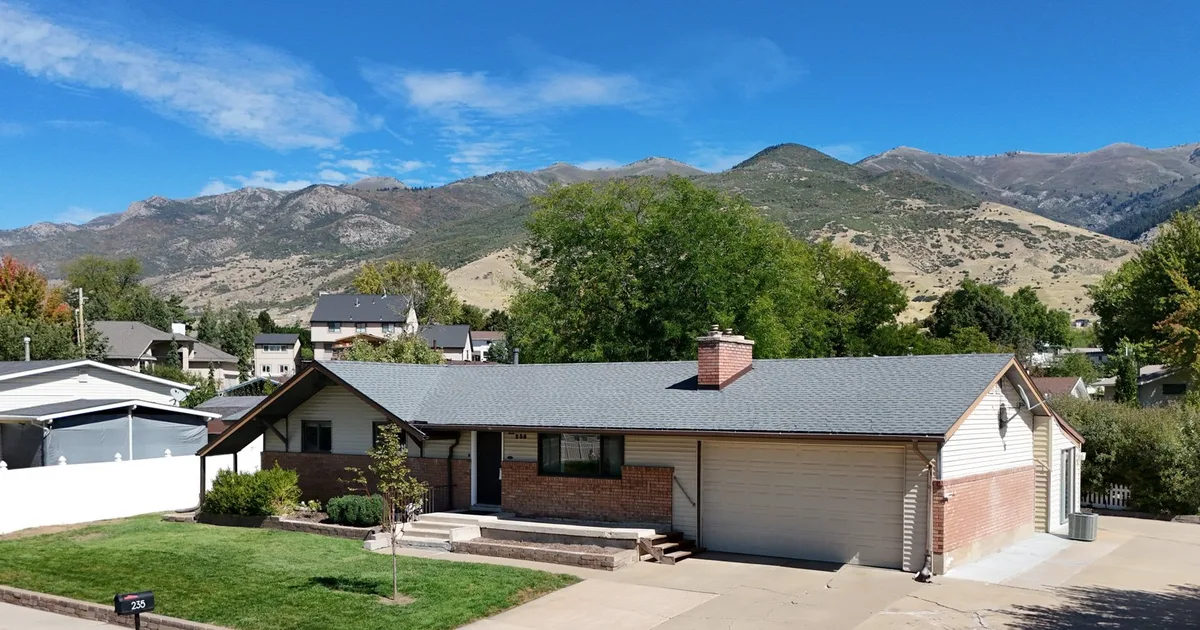
Should you worry about earthquakes when buying a home in Salt Lake County?
You should know about the risk and plan for it, without letting it decide the purchase. Salt Lake County sits along the Wasatch Front, which has an active fault system, and the region has had earthquakes before and will have them again. The practical questions are about the house in front of you: how it was built, what has been done to strengthen it, what your insurance does and does not cover and what you can do cheaply to reduce damage.
Charisse Walker is a real estate agent with Chalker Properties Group in Salt Lake and Davis County, Utah, and a licensed mortgage lender. This article covers what to look at during showings and inspections, how earthquake insurance generally works, which upgrades are common and what to ask before you write an offer. It is general education, not engineering or insurance advice, so any specific house deserves a look from a licensed inspector, structural engineer or insurance agent as appropriate.
Why does it matter in this county?
The Wasatch Fault runs along the base of the mountains on the east side of the valley, and geologists have studied it for decades. Utah's state geological agency publishes hazard maps and public guidance, and local governments use that information in planning. A magnitude 5.7 earthquake near Magna in March 2020 shook the valley, damaged some older masonry buildings and reminded many residents that the risk is real.
That does not mean every home is at the same level of risk. How a house is built, the soil it sits on and its distance from mapped fault zones all play a part. Your job as a buyer is not to predict an earthquake. It is to understand your house and make informed choices.
What kinds of homes are more vulnerable?
Construction type matters more than almost anything else.
- Unreinforced masonry. Many older brick homes, especially those built before modern building codes, have brick walls with no steel reinforcing. This type of construction can be vulnerable in a strong shake. Brick veneer over a wood frame is different from solid masonry, so ask which one you are looking at.
- Chimneys. Tall, unbraced brick chimneys can crack or fall. Check their condition and whether they are attached to the house.
- Homes with large garage openings or open first-floor walls. Some layouts lack solid walls on one level and can be weaker in a side-to-side shake.
- Additions and remodels. A tied-in, permitted addition behaves differently from one that was built without permits or connected loosely.
- Homes on slopes or fill. Hillside lots can face soil and slope concerns that are separate from the building itself.
- Foundation condition. Large cracks, shifting and poor connections between the frame and the foundation matter in any strong shake.
Newer homes are built under more recent codes that include seismic provisions, but code compliance depends on when and how each part was built. Ask the inspector what they see rather than assuming.
What should you look at during a showing and inspection?
- Ask the year built and the construction type. Brick, block, frame or a mix?
- Look at the foundation. Note cracks, patches and any signs of movement, then ask the inspector about them.
- Check the chimney. Look for cracked mortar, loose bricks and braces.
- Ask about past work. Has there been seismic strengthening, foundation work or a rebuilt chimney? Ask for permits and receipts.
- Look for water heater straps. An unsecured water heater can tip, rupture a line and cause damage. Straps are inexpensive.
- Look at the gas shutoff. Know where it is. Ask whether an automatic shutoff valve is installed.
- Check the hazard maps. The state geological agency and local planning offices publish maps for fault zones, liquefaction and other hazards. Ask your agent to help you find the right ones for the address.
For how an inspection works in general, see what to expect at a home inspection in Utah. If you have concerns about the structure, a structural engineer can give a more specific opinion.
Does homeowners insurance cover earthquakes?
Usually not. A standard homeowners policy in most states, including Utah, generally excludes damage caused by earth movement. A fire that starts after an earthquake may be covered, while the shaking damage itself often is not. Policies differ, so read yours or ask your agent directly.
Earthquake coverage is typically sold as a separate policy or an endorsement. A few things to know about how it commonly works:
- Deductibles are often a percentage of the coverage amount, not a flat dollar figure, which can make them larger than people expect.
- Coverage can have limits and exclusions for items such as outbuildings, landscaping or contents. Ask what is included.
- Price depends on the house. Construction type, age, location and any retrofits can change the cost.
- It is optional, and many homeowners do not carry it. Your lender may not require it.
Ask for a quote before you commit to the home, the same way you would for any other major cost. A quote on two or three policies is a good way to see the range.
What can you do cheaply to reduce risk?
Several upgrades are simple and low in cost compared with the price of a home:
- Strap the water heater to the wall studs.
- Anchor tall furniture, such as bookcases and cabinets, to walls.
- Secure heavy items hanging over beds or seating areas.
- Add latches to cabinets that hold heavy or breakable items.
- Have the chimney inspected and repaired or braced if needed.
- Know your shutoffs for gas, water and electricity, and keep the needed tools in an easy place.
- Prepare a basic kit with water, food, a flashlight and medications.
Larger projects, such as a foundation retrofit or reinforcing masonry, can be expensive and depend on the home. Get a written scope from a qualified professional and compare it to the price of the home before you decide.
How do you handle it in your offer?
Your agent can help you set up the contract so you have time to learn about the home before your deadlines expire. In practice that means:
- Scheduling your inspection early and telling the inspector what you want them to look at.
- Getting the insurance quote during your due diligence period, including a quote for earthquake coverage if you want it.
- Asking the seller for permits and documentation of any structural work.
- Hiring a structural engineer if the inspector flags a concern or the home is older masonry.
- Using what you learn to ask for a price change or repairs, or deciding to move on.
The process is similar to any other inspection issue. See how to negotiate repairs after inspection in Utah for how requests work.
What does a typical situation look like?
Here is a typical example, not a specific client. A buyer in Salt Lake County falls for an older brick home with a large chimney. During the inspection, the inspector notes a hairline crack in the foundation, an unbraced chimney and a water heater with no straps. The buyer's agent suggests a structural engineer and asks the seller for any records of past work.
The engineer finds the foundation crack is minor and old, but recommends bracing the chimney and strapping the water heater. The buyer gets quotes for both, asks for a credit for the chimney work and straps the water heater after closing. Meanwhile the buyer's insurance agent gives a quote for earthquake coverage with a percentage deductible. The buyer decides the cost fits the budget and the risk, and buys with open eyes.
The sale goes forward because each question had an answer, not because anyone pretended the risk away.
What are the common mistakes?
- Assuming insurance covers it. Ask what is excluded.
- Skipping the chimney. It is a common weak point.
- Not asking about past work. Permits tell you who did what and when.
- Treating all brick as the same. Solid masonry and brick veneer are different.
- Ignoring the cheap fixes. A few hours and a few dollars can reduce harm.
- Letting fear make the decision. Information is more useful than worry.
Charisse Walker is a real estate agent with Chalker Properties Group in Salt Lake and Davis County, Utah, and a licensed mortgage lender. She helps buyers sort the questions to ask early, so the inspection period works for them.
Frequently asked questions
Is earthquake insurance required? Generally not by lenders, but check your loan documents.
Does the seller have to tell me about earthquake risk? Sellers disclose known material conditions of the property. Ask your agent what applies and ask the seller direct questions.
Are newer homes less likely to be damaged? Newer construction follows more recent codes, but condition and details matter. Ask your inspector.
How much does a retrofit cost? It depends on the home and the work. Get a written quote.
Where can I find hazard maps? The state geological agency and local planning offices publish them. Your agent can help you find the right ones.
What is the next step?
If you are looking at older homes in Salt Lake County, a short plan for your inspection, insurance quote and offer will keep surprises small. Contact Chalker Properties Group and we will walk through the next steps, simplified.