2026-11-15 · 6 min read · Salt Lake County
How Do You Check Noise Before Buying a Salt Lake County Home Near TRAX, a Highway or the Airport?
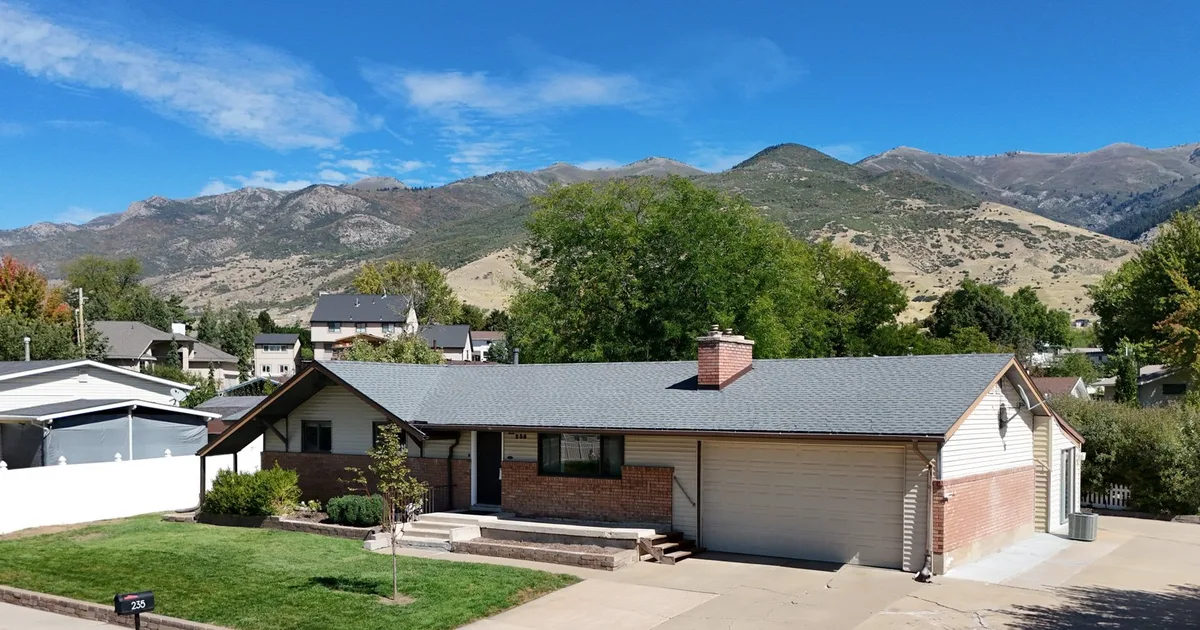
How do you check noise before buying a Salt Lake County home?
Visit at different times of day, stand in the rooms and outdoor spaces you will actually use and listen with the windows open and closed. A single tour at midday tells you very little. Traffic, trains, aircraft, and neighborhood sounds all change by hour and by day. Add a look at maps and a few questions to the seller, and you will know much more than a showing can tell you.
Charisse Walker is a real estate agent with Chalker Properties Group in Salt Lake and Davis County, Utah, and a licensed mortgage lender. She tells buyers to treat sound the way they treat any other thing about a home: check it yourself, on facts, before the deadline passes. This article covers where noise comes from in the county, how to test it, what the inspection and the contract can and cannot do and what to do if you find a problem. It describes the property and its surroundings, and does not make claims about the people who live nearby.
What kinds of noise should you check for?
The Salt Lake valley has several common sources, and which ones matter depends on the address.
- Highway and arterial road traffic. Interstates and busy roads produce steady sound, with peaks at rush hour. Trucks and motorcycles can add short bursts.
- TRAX and rail. Light rail and freight trains run on set schedules, and a nearby crossing may have horns or bells. Ask which lines are close and how often they run.
- Aircraft. Salt Lake City International Airport has arrival and departure paths that cross parts of the valley. Other airfields and helicopter routes have their own patterns.
- Construction. Active development produces daytime noise that may last months.
- Commercial areas. Loading docks, restaurants and late-night businesses can be audible near a home that backs onto them.
- Neighborhood sounds. Landscaping equipment, dogs and parties. These are common anywhere and usually change from season to season.
When should you visit?
Plan at least three visits, even short ones:
- Weekday rush hour. Morning or late afternoon, when road traffic is heaviest.
- Evening. Stand outside around the time you would normally be at home and listen to what is happening nearby.
- A weekend morning. Different noise, such as lawn care, and a chance to see how the area feels when people are home.
If you can, also come once at night. A freight train or a highway can sound very different when everything else is quiet. If the home is close to an airport path, visit more than once, because aircraft use different runways depending on wind and weather.
Park and walk around, not just drive by. You will hear more standing still.
How do you test a home?
- Stand in the bedroom. Close the door and the windows. Listen for a minute. Then open the window and listen again.
- Test the yard or patio. If you plan to sit outside, check whether you can hold a conversation.
- Check the windows. Double-pane windows generally reduce sound more than older single-pane ones. The article on older systems in a home covers other age-related items.
- Use a decibel app, with caution. A free phone app can give a rough sense of comparison between two homes, but it is not a precise measurement. Use it to compare, not to certify.
- Look at the map. Note the distance to the nearest highway, rail line and flight path, and which way the home faces.
What can you ask the seller and the neighbors?
Ask the seller, in writing if you can, whether they are aware of any noise issues or planned projects nearby. Utah's disclosure form asks about certain known conditions, and a seller's honest answer is useful. The seller disclosure article covers the basics.
You can also speak with people who live close to the home, if you happen to meet them. Keep the questions about the sound, not about the people. "How often do the trains come through?" is a useful question, and "what kind of people live here?" is not one that you, or your agent, should ever ask.
Finally, check with the city or county planning office about approved projects nearby, such as road widening, new buildings or transit changes. A plan that is approved but not yet built can change a quiet street.
What can an inspection or contract do about noise?
An inspection looks at the home's condition. It does not measure noise, and it will not tell you whether you will be bothered by it. That is a personal decision, and it is yours to make during your due diligence period, before your deadlines pass. The home inspection article explains what an inspection covers.
If you find a noise problem you would rather not live with, your options are to walk away within your due diligence period, negotiate on price or plan to reduce it. Upgrades like better windows, added insulation, landscaping and fencing can help, though they rarely remove sound entirely. Get quotes before you count on them.
Noise can also affect resale. A home that is loud enough to bother you may bother the next buyer. That is not a reason to avoid a home, only a reason to include it in your price and your plans.
What mistakes do buyers make with noise?
- Judging by one showing. A quiet noon says nothing about 5 p.m.
- Listening only indoors. If you plan to use the yard, listen there.
- Waiting until after closing. Your deadline to back out is before you own the home.
- Assuming a flight path is rare. Check the map and visit more than once.
- Overpaying for a quiet street without checking. Compare homes on facts, not on a feeling you had at one showing. The article on how to tour homes has a checklist you can add this to.
What does a noise check look like in practice? An example.
This is a typical example, not a description of a particular client. A buyer likes a Salt Lake County home that backs up to a road with a transit line nearby. At the first showing it seems calm. Before making an offer, they return on a weekday evening, stand in the backyard and bedroom, and count how often a train passes in half an hour.
They find it noticeable but not constant. They ask the seller whether the home has had any noise concerns and how long the current windows have been in. They get a quote for replacing the bedroom windows, and they decide the home still works for them with that cost in mind.
A different buyer might decide the opposite after the same visit. The value of the check is that the decision was made with real information, in time to act on it.
Noise questions Salt Lake County buyers ask
Does the seller have to disclose noise?
Utah's disclosure covers certain known conditions. A seller who knows of a problem should say so. Ask directly, and ask in writing.
Will a home inspector check for noise?
No. Inspectors look at the condition of the home. Noise is something you test yourself.
Do windows really make a difference?
Often, yes. Newer double-pane or laminated windows can reduce sound, but results vary. Ask a window company for a quote and an honest expectation.
Can noise affect resale?
It can, since the next buyer will also notice it. Compare to similar homes, and ask your agent for sales near the same road or line.
How can Chalker Properties Group help you buy in Salt Lake County?
Charisse Walker is a real estate agent with Chalker Properties Group in Salt Lake and Davis County, Utah, and a licensed mortgage lender. When she is your agent, she builds a tour plan around what matters to you, including return visits at different times, and she keeps your due diligence deadlines long enough to finish your checks.
The buying a home page and relocation page explain the steps, the Murray area page and Salt Lake City area page compare local detail on facts, and the process page shows how the team works. When you want help touring, contact Charisse.