2026-11-12 · 6 min read · Salt Lake County
How Do You Tour Salt Lake County Homes Without Missing Something Important?
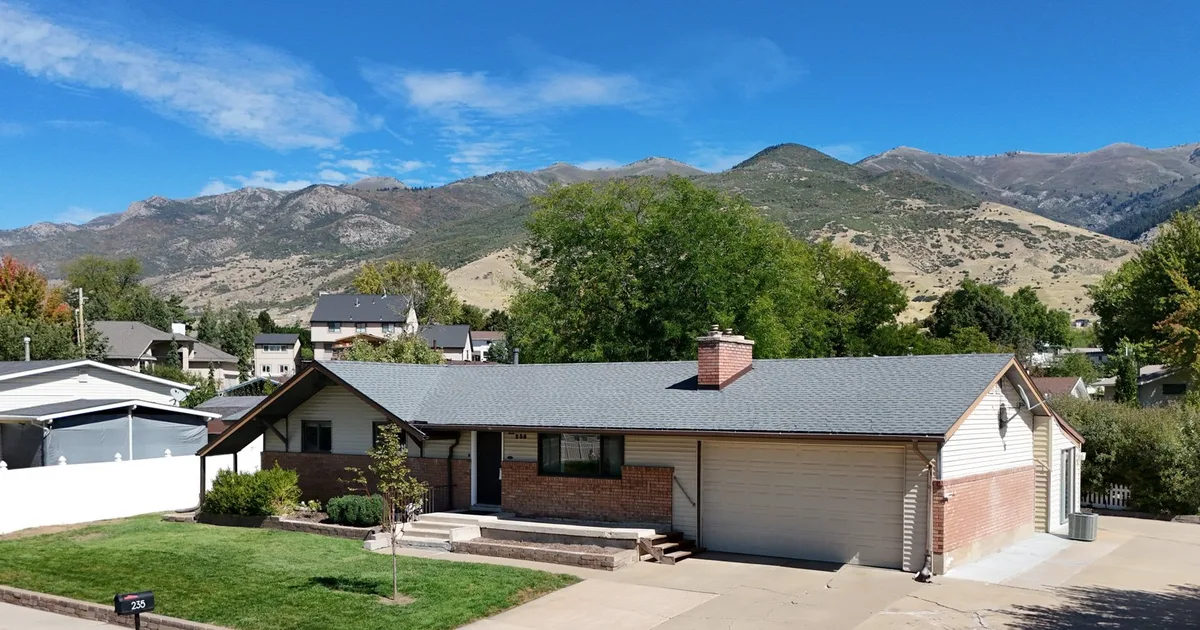
How do you tour Salt Lake County homes without missing something important?
How do you tour homes so you remember what matters? Go in with a short list of must-haves, look at the same things in every house in the same order, and write notes before you leave each one. After three or four showings, most buyers can no longer say which house had the finished basement and which had the busy street. A simple system fixes that.
A first tour is not a final inspection. You are deciding whether a home deserves a second look and, if so, what questions to answer before you offer.
Charisse Walker is a real estate agent with Chalker Properties Group in Salt Lake and Davis County, Utah, and a licensed mortgage lender. She prepares a one-page plan with each buyer before the first showing, and this article follows the same idea.
What should you decide before the first showing?
Write down your non-negotiables and your nice-to-haves, in two separate lists. Non-negotiables are things like a minimum number of bedrooms, a maximum commute or a monthly payment ceiling. Nice-to-haves are the extras.
Then check that your budget is real. A pre-approval letter from a lender tells you what you can borrow, and a conversation about the monthly payment tells you what you are comfortable paying. Both help you skip homes that will not work.
Finally, pick a few areas to compare. Salt Lake County covers a wide range, from the older streets near downtown to the newer neighborhoods further south, and the differences in commute, lot size and home age are things you can measure. See what is out there before you decide where you are searching.
What should you look at in every house?
Use the same order each time. Here is a short checklist you can copy into your phone.
- Outside first. Roof condition, siding, grading, where water goes, the driveway and the garage.
- Windows and doors. Do they open and close easily? Are there signs of moisture between panes?
- Ceilings and corners. Look for stains, patched spots and new paint in odd places.
- Kitchen and baths. Run the water, check under sinks, open cabinet doors.
- Mechanicals. Furnace, water heater and electrical panel. Note the ages if they are visible.
- Basement or crawl space. Smell, dampness, cracks and finished versus unfinished areas.
- Storage and layout. Closets, laundry location and how the rooms flow.
- Sound and light. Visit at different times of day if you can, and listen for traffic or flight paths.
None of this replaces a licensed inspector. It helps you spot what deserves a closer look.
What questions should you ask at a showing?
Ask your agent to find out the answers, and write them down. Useful questions include how long the home has been listed, whether the seller has had other offers, what has been replaced and when, and what the monthly utility costs look like. Ask whether the home is part of an HOA and what the dues cover.
Ask about anything unusual you notice, such as a patched wall, an unpermitted-looking addition or a smell. A good listing agent will answer or say they will find out. If a question gets a vague answer, note that too.
Your own agent can also check the permit history, the listing history and the recent sales nearby. Those answers shape what you offer, which matters more than how a staged living room looks.
What mistakes do buyers make while touring?
- Falling for staging. Furniture and lighting are not part of the house.
- Taking no notes. By house four you will not remember house one.
- Skipping the outside. Roof, drainage and the lot say a lot about the next ten years.
- Touring too many in one day. Three to five is plenty. After that you are tired and everything looks the same.
- Not taking photos. Ask permission, then photograph the mechanicals and anything you want to ask about later.
- Ignoring the monthly cost. A home you can afford to buy but not to run is not a fit.
What does a good touring day look like?
Here is a typical example, not a client story. A buyer plans four showings in Murray and Sandy on a Saturday. Before leaving, they and their agent review the must-have list and the questions for each listing.
At each home, the buyer follows the same checklist and spends a few minutes outside before going in. After each showing, they sit in the car for five minutes and write down three things they liked, three they did not and one question to follow up. They also score the house against the must-have list.
By the end of the day, one home clearly fits the list and one raised a concern about the basement. They schedule a second look at the first and drop the others. The notes made the decision for them.
How do you compare homes after a day of showings?
- Write notes right away. Do it in the car, before the next address.
- Use one scorecard. Rate each home against your must-have list, not against the one you liked best.
- Record the numbers. List price, estimated monthly payment, HOA dues, lot size and age of the roof and furnace.
- Separate fixable from fixed. Paint and flooring can change. Location, layout and lot cannot.
- Ask for recent sales. Your agent can show what similar homes nearby have sold for, which tells you whether the asking price is reasonable.
- Sleep on it. Review the notes the next morning before you decide on a second look.
The scorecard matters because first impressions are loud. A bright kitchen can drown out a long commute or a small bedroom. Rating each house on the same list quiets that noise and brings back what you said mattered.
Photos help too. A quick picture of the furnace label, the electrical panel and the water heater takes seconds and answers questions later. If you photograph anything, keep the photos in one folder per address so they do not blur together.
What changes when you tour in winter?
Touring in Salt Lake County in winter shows you things summer hides. Snow and cold test how a home holds heat, so notice whether rooms feel even and whether any windows are drafty. A driveway and walkway show how well the property drains and how much shoveling the lot demands.
You also see less of the yard, and a covered lawn hides grading and drainage. Ask your agent to find photos from other seasons in the listing history, and plan a second visit in daylight if the first was at dusk. Darkness makes it harder to judge the roof, the siding and the street.
On the other hand, you see the home at its least flattering, which is useful. If it feels comfortable on a cold, gray day, that tells you something real.
Charisse Walker is a real estate agent with Chalker Properties Group in Salt Lake and Davis County, Utah, and a licensed mortgage lender. She schedules second visits at a different time of day on purpose, because one hour in one light never tells the whole story.
Touring questions Salt Lake County buyers ask
How many homes should I see in one day?
Three to five is workable. More than that and details blur.
Should I bring someone with me?
One other person can help you notice things, but too many opinions can make decisions harder.
Can I take photos?
Ask first. Most sellers allow it, and the photos help you compare later.
Do I need to sign a buyer agreement first?
Agents generally ask for one before touring. Ask what it says before you sign.
When should I schedule an inspection?
After you are under contract, within the time your contract allows.
How can Chalker Properties Group help you tour homes in Salt Lake County?
Charisse Walker is a real estate agent with Chalker Properties Group in Salt Lake and Davis County, Utah, and a licensed mortgage lender. She builds a touring plan with you and handles the questions, so you spend your time looking at homes, not chasing answers.
The buying a home page explains the full path, and the Murray and Sandy area pages compare two parts of the county on commute, lot size and price.
Ready to start looking in Salt Lake County? Contact Charisse and get a touring plan before your first showing.