2026-11-19 · 7 min read · Davis County
Selling a Davis County Home: What Stays With the House and What Can You Take?
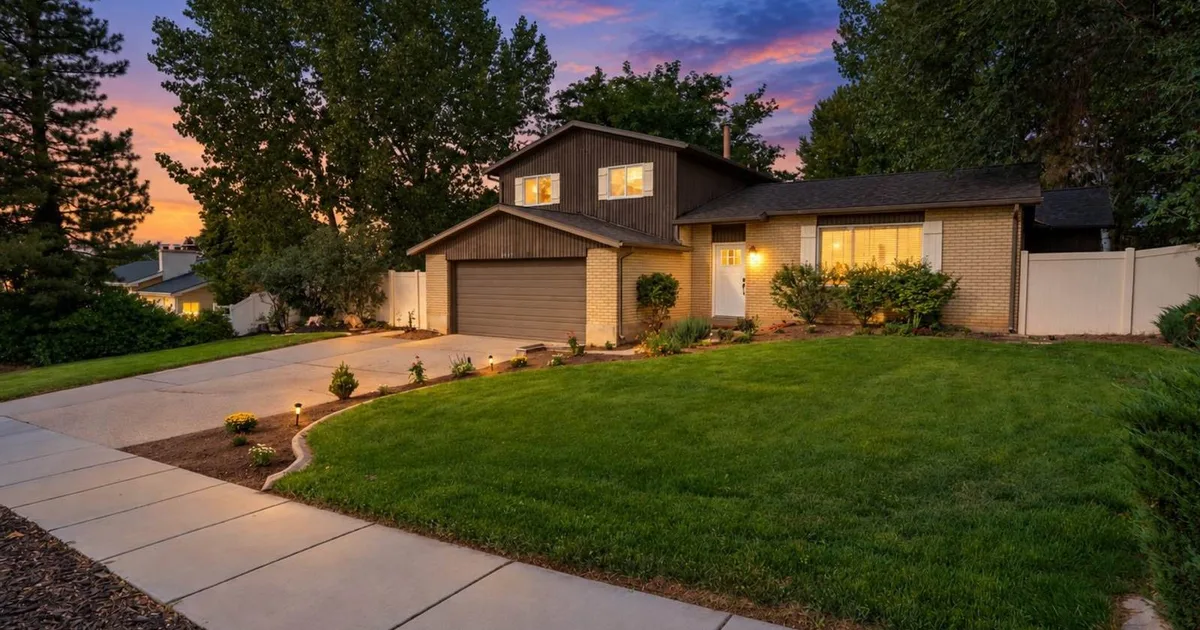
What stays with the house when you sell a Davis County home?
Anything attached to the house is generally treated as part of the sale, and anything you can pick up and carry out is generally yours. The Utah Real Estate Purchase Contract, the form most Davis County sales use, spells out a list of included items. If you want to keep something on that list, you need to say so in writing before you accept an offer.
Most of the arguments over this happen at the final walk-through, when a buyer notices the light fixture they loved is gone. They are easy to prevent. Charisse Walker is a real estate agent with Chalker Properties Group in Salt Lake and Davis County, Utah, and a licensed mortgage lender. This guide covers what usually stays, what usually goes, and how to protect the items you plan to take.
What is the difference between a fixture and personal property?
A fixture is something attached to the home in a way that makes it part of the property. Think bolted, wired, plumbed, nailed or built in. Personal property is everything else: furniture, rugs, freestanding items, things that sit on a shelf or plug into a wall.
That rule of thumb covers most of a house. The gray areas are things like a mounted TV, a wall mirror, a freestanding hot tub on a patio, a shed sitting on blocks, or a washer and dryer. For those, the contract and what you write into it decide the answer, not the rule of thumb.
What does the Utah purchase contract include automatically?
Section 1.1 of the Utah Real Estate Purchase Contract lists items that are included in the sale if they are on the property and owned by the seller, unless they are excluded. The list covers the kinds of things buyers expect to find when they move in, such as light fixtures and bulbs, ceiling fans, plumbing and heating fixtures, water heaters, window coverings and rods, window screens, built-in appliances, installed TV mounting brackets, garage door openers and their remotes, and fencing and landscaping.
Read the current version of the form with your agent before you list. Forms are updated from time to time, and the exact wording is what counts. The same section has room to add items the buyer wants included and items the seller is keeping.
Which items cause the most confusion for Davis County sellers?
- Refrigerators, washers and dryers. These are often freestanding, so they are not automatically included. Many buyers ask for them anyway. Decide ahead of time whether you will leave them, sell them or take them.
- Mounted TVs. The bracket is usually included. The TV usually is not. If you take the bracket, plan to patch the wall.
- Light fixtures with sentimental value. A chandelier that was your grandmother's is a fixture once it is wired in. Swap it before you list, or exclude it in writing.
- Window coverings. Custom blinds and shutters stay unless excluded. Decorative curtains are a common point of confusion, so be clear.
- Sheds, play sets and hot tubs. Whether they are attached or sitting on the ground can change the answer. Name them in the contract so nobody has to guess.
- Smart home devices. Video doorbells, smart thermostats and keypad locks are attached. If you plan to take them, replace them before listing photos are taken.
- Water softeners and solar equipment. These may be owned, leased or financed. Leased equipment needs its own paperwork, so tell your agent early.
How do you keep an item you plan to take with you?
The cleanest way is to remove it before the house goes on the market. If a buyer never sees the chandelier, there is nothing to argue about. Here is the order I recommend:
- Walk the house with your agent before listing. Point out anything attached that you want to keep.
- Swap what you can before photos. Replace a sentimental fixture with a simple one, so the photos match what the buyer gets.
- List exclusions in the listing remarks. Buyers and their agents see it before they write an offer.
- Write exclusions into the contract. Make sure section 1.1 of any accepted offer reflects what you are keeping.
- Remove excluded items carefully. Patch holes, cap wires and leave the area clean before the final walk-through.
Saying something in conversation is not the same as having it in the contract. If it matters to you, it belongs in writing.
Can leaving items behind help you sell?
Sometimes. Davis County homes have been taking longer to sell than they did a year ago, and buyers have more room to ask for things. A set of appliances, a storage shed or a playset can be a low-cost way to make an offer work, especially if you would have to pay to move them anyway.
Think about your net. If you are moving out of state or downsizing to a smaller place, the cost to move a fridge, a washer and dryer, and a garage full of shelving can add up. Leaving them with the house can be the simpler choice. Your net is our top priority, so we look at both sides before deciding what to offer.
A caution: anything you leave behind should be in working order or clearly described as left as-is. A buyer who expected a working dryer and got a broken one can turn a friendly closing into a dispute.
What are the most common mistakes sellers make with included items?
- Assuming the buyer knows a fixture is not staying because it was a gift.
- Listing photos that show items the seller plans to take.
- Removing a fixture and leaving bare wires or holes in the wall.
- Agreeing out loud to leave something and never writing it into the contract.
- Forgetting garage door remotes, mailbox keys and appliance manuals at move-out.
- Taking a leased item like a water softener without sorting out the lease first.
What does this look like for a typical seller?
Here is a typical example, not a real client. A homeowner in Kaysville is downsizing to a smaller home with less upkeep. The dining room has a light fixture they brought from their first home, and the garage has a second refrigerator and built-in shelving.
Before the photographer comes, they swap the dining room fixture for a new one from a hardware store and pack the original. They decide to leave the second refrigerator, since their new place has no room for it, and they say so in the listing. The built-in shelving stays because it is bolted to the wall and buyers will expect it.
When an offer comes in, the included and excluded items match the listing, and there is nothing to negotiate on that front. The final walk-through is quick. The buyer finds exactly what the contract said they would find.
Charisse Walker is a real estate agent with Chalker Properties Group in Salt Lake and Davis County, Utah, and a licensed mortgage lender. She handles these details on every listing, because the small items are often where a closing goes sideways.
Frequently asked questions
Can I take my refrigerator when I sell?
Usually, if it is freestanding and not listed as included. Make it clear in the listing and the contract.
Do window blinds stay with the house?
Under the Utah purchase contract, installed window coverings are generally included unless you exclude them.
What if the buyer asks for something I wanted to keep?
You can say no, counter, or agree. It becomes part of the negotiation, so decide what it is worth to you.
Do I have to leave paint and spare materials?
Not by default. Many buyers appreciate labeled leftover paint and flooring, so ask your agent whether to offer it.
What if I removed something I should have left?
Tell your agent right away. Returning it or offering a credit is often simpler than arguing at closing.
What is the next step?
If you are getting ready to sell in Davis County, walk through the house room by room and make a short list of what stays and what goes. Our guides on selling your home and downsizing cover the rest of the prep, our home valuation page starts the pricing conversation, and our Kaysville page has local context.
When you are ready, contact Charisse here, and we will build your listing plan, including the list of what stays with the house. Here are the next steps, simplified.