2026-11-12 · 8 min read · Salt Lake County
What Is a Non-Warrantable Condo, and How Does It Affect Your Loan in Salt Lake County?
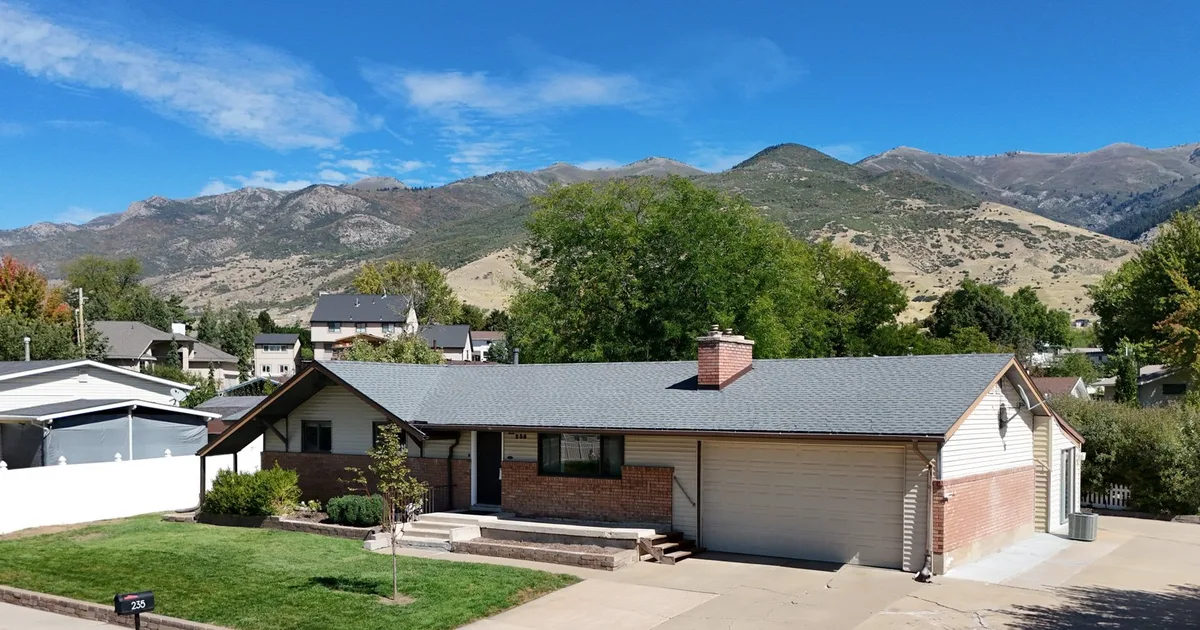
What is a non-warrantable condo, and how does it affect your loan in Salt Lake County?
What is a non-warrantable condo, and how does it change your financing when you buy in Salt Lake County? A non-warrantable condo is one where the building or the HOA does not meet the guidelines that most standard conventional loans require. You can still buy it, but usually not with a standard loan. That often means a bigger down payment, a different loan program and a higher rate.
Charisse Walker is a real estate agent with Chalker Properties Group in Salt Lake and Davis County, Utah, and a licensed mortgage lender. She tells condo buyers to find out a project's status before writing an offer, not after, because it decides which loans will work at all.
The condo itself can be perfect. The approval is about the whole project: the HOA, the budget, the owners and the building.
What makes a condo warrantable?
Most conventional loans are sold to the two government-sponsored agencies that buy the bulk of home loans in the country. Those agencies set rules for condo projects. A project that meets them is called warrantable. A project that does not is non-warrantable.
The lender checks the project by sending a condo questionnaire to the HOA or its management company. The answers show the lender how the project is run and how healthy it is.
FHA and VA loans have their own systems. FHA keeps a list of approved condo projects and also allows approval of a single unit in some cases. VA keeps its own list of accepted projects. A condo can qualify for one program and not another.
What makes a Salt Lake County condo non-warrantable?
The exact thresholds change over time, so your lender checks the current rules. These are the issues that most often cause a problem:
- Too many rentals. A high share of units owned by investors instead of owner-occupants.
- One owner holding too many units. A single person or company owning a large share of the project.
- Too much commercial space. Common in mixed-use buildings with shops or offices on the ground floor.
- Litigation. The HOA is involved in a lawsuit, especially one about construction defects or safety.
- Owners behind on dues. A high share of owners late on HOA fees.
- Thin reserves. The HOA budget does not set aside enough for future repairs.
- Insurance gaps. The master policy does not meet the required coverage.
- Hotel-style operation. Projects run like a short-term rental or hotel, with a front desk and nightly rentals.
- Major repairs or deferred maintenance. Lenders now ask directly about structural problems and big unfunded repairs.
- New construction still selling. Projects where too few units have sold yet.
In Salt Lake County, the mixed-use buildings downtown and near TRAX stations, and older complexes with small HOA budgets, are the kinds of projects worth checking early. Many are warrantable. Some are not. The questionnaire is the only way to know.
How can you finance a non-warrantable condo?
You still have options. They usually cost more.
- Portfolio loans. Some banks and credit unions keep loans on their own books instead of selling them. They set their own rules and may accept a project the agencies will not.
- Non-QM loans. Loans built outside the standard guidelines. Expect a larger down payment and a higher rate than a standard conventional loan.
- Cash. A cash buyer does not need project approval. This is also why non-warrantable units can sit longer on the market.
Think about resale too. If you buy a non-warrantable unit, your future buyer faces the same financing limits, unless the project fixes the issue first. That can mean a smaller pool of buyers when you sell. The fixed vs adjustable rate guide is worth reading too, since some portfolio and non-QM loans are adjustable.
How do you check a condo's status before you offer, step by step?
- Get pre-approved first. Tell your lender you are shopping for condos so they plan for project review. The pre-approval guide covers what to bring.
- Ask the listing agent what they know. Recent sales in the building and the loan types those buyers used tell you a lot.
- Check the FHA and VA lists if you plan to use either loan. Your lender can do this in minutes.
- Request the HOA documents early. Budget, reserve study, meeting minutes and the master insurance policy. Minutes are where lawsuits and big repair plans show up first.
- Have your lender send the condo questionnaire. The HOA usually charges a fee to complete it.
- Protect yourself in the contract. Make sure your financing and HOA document review deadlines give you time to walk away with your earnest money if the project does not qualify.
What mistakes do Salt Lake County condo buyers make?
Assuming every condo qualifies for every loan. FHA approval, VA approval and conventional eligibility are three different checks.
Waiting until after the offer to ask. By then you are spending money on appraisal and inspection for a loan that may not close.
Skipping the meeting minutes. A planned roof replacement or a lawsuit is often there before it is anywhere else.
Ignoring the low price as a signal. A unit priced well below similar ones nearby sometimes reflects a financing problem in the project.
Forgetting about resale. The same rules apply to whoever buys from you.
Charisse Walker is a real estate agent with Chalker Properties Group in Salt Lake and Davis County, Utah, and a licensed mortgage lender. She puts the HOA document review on the calendar the day an offer is accepted, so condo buyers are never short on time.
What does this look like for a typical Salt Lake County condo buyer?
Here is a typical example, not a specific client. A first-time buyer finds a two-bedroom condo near a TRAX line, priced lower than similar units nearby. They plan to use an FHA loan with a small down payment.
Before writing an offer, their lender checks and finds the project is not on the FHA approved list. The HOA questionnaire also shows a high share of rental units. The project is non-warrantable for a standard conventional loan as well.
The buyer has two choices: a portfolio loan with a larger down payment and a higher rate, or a different building. They pick a different building a few stops away that is FHA approved. Same commute, a slightly higher price, and a loan they can actually close on. They also know their own future buyer will have the same loan options they did.
Non-warrantable condo FAQ for Salt Lake County
Can I use an FHA loan on any condo?
Can you use an FHA loan on any condo in Salt Lake County? No. The project needs FHA approval, or the unit needs single-unit approval where allowed.
Can a condo become warrantable later?
Can a non-warrantable project become warrantable? Yes. If the HOA fixes the issue, like building reserves or resolving a lawsuit, it can qualify again.
Who pays for the condo questionnaire?
Who pays the HOA questionnaire fee? It is usually charged to the buyer and paid through the lender or at closing.
Are townhomes treated the same as condos?
Do townhomes go through condo project review? It depends on how the property is legally set up. Some townhomes are condos on paper. Your lender checks the recorded documents.
Is a non-warrantable condo a bad buy?
Is a non-warrantable condo always a mistake? No. It can work for a cash buyer or someone with a larger down payment who plans for resale.
How can Chalker Properties Group help you buy a condo in Salt Lake County?
Charisse Walker is a real estate agent with Chalker Properties Group in Salt Lake and Davis County, Utah, and a licensed mortgage lender. Her lending background means she knows which questions to ask about a condo project before you fall for a unit, and she builds the HOA review into your contract timeline from day one.
The first-time buyer page covers how to plan your search, and the Salt Lake City area page compares neighborhoods on commute and price.
Looking at condos in Salt Lake County? Contact Charisse before you write an offer, and find out which buildings fit the loan you plan to use.
Charisse Walker, NMLS #2118149, is a mortgage loan originator with Morty, Inc., a licensed mortgage broker, NMLS #1429243. All loans are funded by third-party lenders. Equal Housing Opportunity.