2026-11-09 · 8 min read · Salt Lake County
Can You Use a HELOC to Buy Your Next Salt Lake County Home?
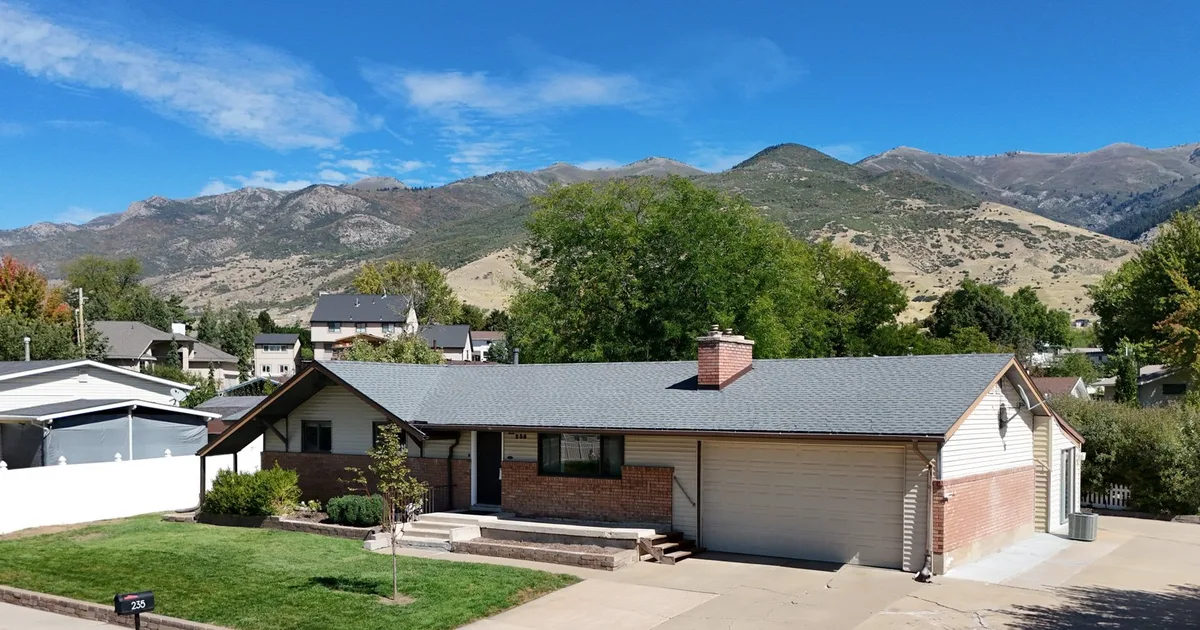
Can you use a HELOC to buy your next Salt Lake County home?
Can you use a HELOC to buy your next Salt Lake County home? Often, yes. A home equity line of credit lets you borrow against the equity in the home you own and use that money toward the down payment on the next one. It can let you buy before you sell. The trade-offs are a new payment, a new lien on your current home, and a lender who will count that payment when you apply for the new mortgage.
Charisse Walker is a real estate agent with Chalker Properties Group in Salt Lake and Davis County, Utah, and a licensed mortgage lender. When I am your agent, your loan comes from your own lender, and I do not give lending advice on that transaction. What follows is general education so you know what to ask.
What is a HELOC, in plain words?
A HELOC is a line of credit secured by your home. Think of it like a credit card with a limit based on your home's value and what you still owe on your mortgage. You borrow what you need, up to the limit, and pay interest on what you use. Most HELOCs have a variable interest rate, which means the payment can change over time.
Equity is the difference between what your home is worth and what you owe. If your home is worth more than your balance, you have equity, and a lender may let you borrow part of it. How much depends on the lender's rules, your credit and your income.
Why would someone use a HELOC to buy a home?
The usual reason is timing. You want to buy the next home before the current one sells, but your money is tied up in the house you own. A HELOC gives you access to that money before the sale closes.
- Making a stronger offer. A buyer with a funded down payment and no home sale contingency is more attractive to a seller.
- Avoiding two moves. You can buy, move once, and then sell at your own pace.
- Avoiding a rushed sale. You are not forced to accept the first offer on your current home.
What are the drawbacks?
- You carry two homes for a while. That means two sets of taxes, insurance and utilities, plus the HELOC payment.
- A variable rate can rise. The payment on your line can climb if rates move.
- A second lien on your current home. If the sale takes longer than planned, the line stays open.
- It affects your debt-to-income ratio. The new mortgage lender counts the HELOC payment against your income. That can reduce how much you qualify for.
- You will repay it from the sale. If your home sells for less than you expected, that plan can feel tight.
How do lenders count the HELOC when you apply for the next mortgage?
When a lender reviews your application, they add up your monthly debts. A HELOC with a balance has a payment, and that payment counts toward your debt-to-income ratio. If you take the down payment from the line, the balance is there on day one. Ask your lender to show you the ratio with the line included.
Lenders also look at the source of your down payment. Money borrowed from a HELOC is generally documented differently from savings. The lender may ask for the line's terms and the draw history. Programs have their own rules, so ask your lender before you draw.
One more point. Open the line before you start the home search if you can. Some lenders may not approve a new line after you have an offer on another home, and a new debt late in the process can disrupt your approval. Talk with your lender about timing before you apply for the line.
How should you test the plan before you commit?
Before you open a line or write an offer, run three simple scenarios on paper. First, the good case: your current home sells in the time you expect. Second, the slow case: it takes several months longer. Third, the surprise case: the sale price comes in lower than you hoped, or you need to make repairs to close.
For each one, add up your monthly costs: the new mortgage, the old mortgage, the HELOC payment, both property tax bills, both insurance policies and both sets of utilities. Then compare that total with your income and your savings. If the slow case leaves you without a cushion, the plan is too tight, and one of the alternatives above may fit better.
I can help with the real estate side of this. I can pull recent sales on your current home to give you a realistic range for price and time to sell. Your lender can then run the loan side with real numbers.
What are the alternatives?
- Make an offer contingent on the sale of your home. It is less competitive but needs no new debt.
- Use a bridge loan. Short-term loans designed for this situation, with their own costs and rules.
- Sell first, then rent or stay short-term. Slower, but it puts the proceeds in your hand.
- Negotiate a rent-back. You sell and close, then stay in the home for a short time after closing.
- Use savings. If you have them, it is the simplest option.
None of these is right for everyone. The right choice depends on your equity, income, timeline and how long you expect to carry two homes.
What is the step-by-step plan?
- Get a pricing opinion on your current home so you know your likely equity.
- Talk to your lender about how much you can borrow, how the new mortgage will count the line, and what documents they need.
- Ask for the HELOC terms: rate type, fees, draw period, repayment, and what happens if you pay it off early.
- Run the numbers for the worst case: your current home takes months to sell. Can you carry both?
- Get your pre-approval for the new mortgage with the HELOC factored in.
- Write the offer, and plan how the line will be repaid at the sale closing.
What mistakes do buyers make with a HELOC?
- Drawing the whole line when only part is needed. Borrow what the plan requires.
- Not planning for a slow sale. Build in months of carrying cost, not weeks.
- Applying for the line after the new mortgage application. The order matters, so ask the lender.
- Ignoring rate changes. A variable rate is a moving number.
- Forgetting the fees. Some lines have annual or early closure fees.
What does this look like for a typical Salt Lake County owner?
Here is a typical example, not a specific client. An owner has lived in a Salt Lake County home for years and has meaningful equity. They want a larger home and do not want to make an offer that depends on selling theirs.
They talk with their lender, open a line, and learn that the lender will count the payment in the new mortgage's ratios. They run the numbers for six months of carrying both homes and find it fits. They make a clean offer, buy, move, and list the old home with time to prepare it. At the old home's closing, the line is paid off from the proceeds. The plan worked because they tested the slow-sale case first.
What do Salt Lake County owners ask most about HELOCs and buying?
Can I get a HELOC on a home I am about to sell? Some lenders will open one, and some may not. Ask early.
Does a HELOC change my interest rate on the new mortgage? The new mortgage rate depends on the new loan's terms and your profile. The HELOC may affect your ratios, which can affect what you qualify for.
What if the old home does not sell? You keep the payments, and you decide whether to reduce the price, rent the home or wait. That is why the worst case belongs in the plan.
Is the interest on a HELOC deductible? Tax rules depend on how the money is used. Ask your tax professional.
What is the next step if you are buying and selling in Salt Lake County?
If you own a home and are weighing how to buy the next one, start by getting a clear picture of your equity and your timeline. I can pull recent sales on your home and map the sequence with you, then you can take the lending questions to your own lender. Contact Charisse here.
Charisse Walker, NMLS #2118149, is a mortgage loan originator with Morty, Inc., a licensed mortgage broker, NMLS #1429243. All loans are funded by third-party lenders. Equal Housing Opportunity.