2026-11-15 · 6 min read · Davis County
Showing Your Davis County Home With Pets in the House: What Should You Do?
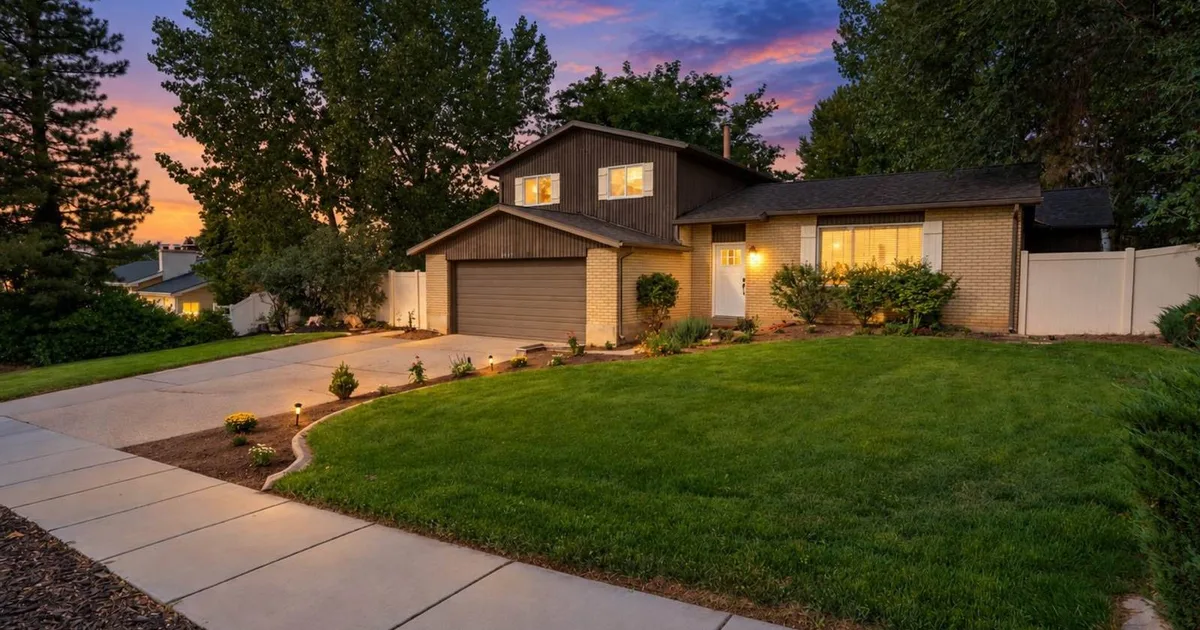
How do you show a Davis County home when you have pets?
The goal is simple: when a buyer walks in, they should notice the home and not the animal. That means clean air and surfaces, pets out of the house during showings if you can arrange it, clear safety instructions for anyone who does enter and enough flexibility in your schedule that buyers can actually see the home. You do not have to give up your pet. You do have to plan around it for a few weeks.
Charisse Walker is a real estate agent with Chalker Properties Group in Salt Lake and Davis County, Utah, and a licensed mortgage lender. She helps sellers set up a showing routine before the sign goes up, so the home shows well without turning daily life upside down. This article covers odor and cleaning, what to do with the pet during showings, safety and liability, what to put in the showing instructions and what to expect from buyers who are allergic or uneasy around animals.
What do buyers notice first?
Usually it is smell. People who live with a pet often stop noticing the odor, but visitors do not. Hair on furniture, scratched trim, stained carpet and litter boxes or food bowls in view all make a bigger impression than owners expect. A buyer who is distracted by those things is less likely to picture themselves in the home.
The article on staging tips that pay off in Utah covers the general idea. Pets add a few extra steps.
How do you get the home ready?
- Ask a friend to smell it. Someone who does not live there will notice what you cannot. Ask them to be honest.
- Deep clean fabrics and floors. Wash pet beds and throws, vacuum upholstery and clean carpet or have it professionally cleaned. Hard floors should be mopped, including along the baseboards.
- Deal with the source. Enzyme cleaners are designed to break down pet odors rather than cover them. Replace a heavily stained rug or pad if cleaning does not work.
- Move the litter box. Put it somewhere less visible, such as a garage or a laundry room, and clean it daily during showings.
- Store food bowls and toys. Put away what you can and keep the rest tidy.
- Repair visible damage. Touch up scratched trim and doors, fill small chew marks and paint if needed.
- Skip heavy air fresheners. Strong scents can make buyers suspect you are covering something. Fresh air and clean surfaces work better.
Where should your pet be during showings?
The best choice is out of the house. Showings often come with short notice, so you need a plan that works when your phone buzzes.
- With a friend or relative. A familiar place where your pet is comfortable.
- At a daycare or boarding facility. Good for stretches of heavy showings, such as the first weekend.
- In the car with you. Possible for short showings, but be careful about weather. In Utah winters and summers alike, never leave an animal in a parked car.
- On a walk. A quick option when you are home and the showing is brief.
- Crated in a quiet room. Use this only if there is no other choice. Barking dogs distract buyers, and some people are afraid of them.
Whichever you choose, tell your agent so the showing instructions match what will happen.
What should the showing instructions say?
Showing instructions are the notes agents see before they bring a buyer. Make yours clear:
- Whether a pet is in the home at any time, and where
- Whether to knock, call or text before entering
- How to avoid letting a pet out when the door opens
- Whether a pet should not be touched or fed
- A reminder to close gates and doors behind them
If a pet will be crated or in a certain room, say so. A buyer's agent who is warned about a dog can plan, and one who is surprised cannot. A lockbox and a short note also let your agent coordinate access without you being home.
What about safety, liability and allergies?
If anyone in the buyer's party is bitten or injured, you may be responsible, and it can create an awful moment for everyone. Keeping animals out of the home during showings is the simplest protection. If you have questions about your own liability, ask your insurance agent.
Some buyers have allergies or fears. You cannot fix that, but you can lower the number of reasons they have to leave early. A well-cleaned home, filtered air and a clean HVAC system help. Mention in your listing notes only what is true, and do not exaggerate or hide anything. If a buyer asks directly about pets in the home, answer honestly. Utah's seller disclosure form covers certain known conditions, and pet damage that affects the property may be one of them. The seller disclosure article explains the basics.
One point on fair housing: your agent will describe the home and never the people who live in it. For the same reason, the listing will not say anything about who should or should not buy it.
What mistakes do Davis County sellers make with pets?
- Assuming the home does not smell. It probably does, to a visitor.
- Leaving the pet home alone during a showing. It can cause a bite, an escape or an anxious barking spree.
- Skipping the yard. Pick up waste before every showing. A yard that looks fine in photos feels different on foot. The article on winter listing photos covers outdoor presentation.
- Overusing fragrance. Candles and sprays can make things worse.
- Refusing short-notice showings. A limited schedule means fewer buyers see the home. The article on showings but no offers shows why access matters.
What does this look like in practice? An example.
This is a typical example, not a description of a particular client. A seller in Davis County lists a home on a Thursday with a dog and a cat in the house. Before the photos, they clean the carpets, wash the bedding and move the litter box to the garage. Their agent sets the showing instructions to ask for notice, and the seller arranges for the dog to spend the first weekend with a relative.
When a showing is booked for the following Tuesday, the seller takes the dog for a walk and leaves the cat in a bedroom with a sign on the door. The buyer's agent knows to skip that room. The buyers focus on the kitchen and the yard and write an offer later that week.
A little planning kept the home from being remembered for the wrong thing.
How do you keep the routine going for a few weeks?
A showing plan only works if you can keep it up. Pick one person who takes the pet when you are out, keep a bag packed with food, a leash and a bed, and set your phone to alert you for showing requests. Leave a short list by the door: lights on, pets out, litter box checked, bowls put away. It takes two minutes and saves you from a rushed scramble.
If the home is vacant of people during the day, consider asking your agent to schedule showings in blocks, for example a few hours on a weekend afternoon, so you are not interrupted all week. Most buyers will work around a reasonable schedule. A plan that is predictable is easier on you and on the animals, and it keeps the home ready every time someone walks in.
Pet and showing questions Davis County sellers ask
Do I have to remove my pet during showings?
No, but it is the easiest option for buyers and for your own safety. Ask your agent what is realistic in your situation.
Should I clean the carpet before listing?
If it has odor or stains, yes. If replacing is cheaper than repeated cleaning, consider that.
Do I have to disclose pet damage?
You should disclose known conditions that affect the property. Ask your agent and review the disclosure form.
Should I put "pet-friendly" in the listing?
Talk to your agent about what describes the home accurately. The listing should describe the property, such as a fenced yard, not who lives in it.
How can Chalker Properties Group help you sell in Davis County?
Charisse Walker is a real estate agent with Chalker Properties Group in Salt Lake and Davis County, Utah, and a licensed mortgage lender. She helps sellers build a showing plan that fits real life, price the home well and keep the process as calm as possible.
The selling your home page explains the steps, the Bountiful area page and Syracuse area page describe local detail, and the process page shows how the team works. When you are ready to get your home ready, contact Charisse.