2026-11-24 · 7 min read · Davis County
Selling a Davis County Home in an HOA: What Fees and Paperwork Come Up Before Closing?
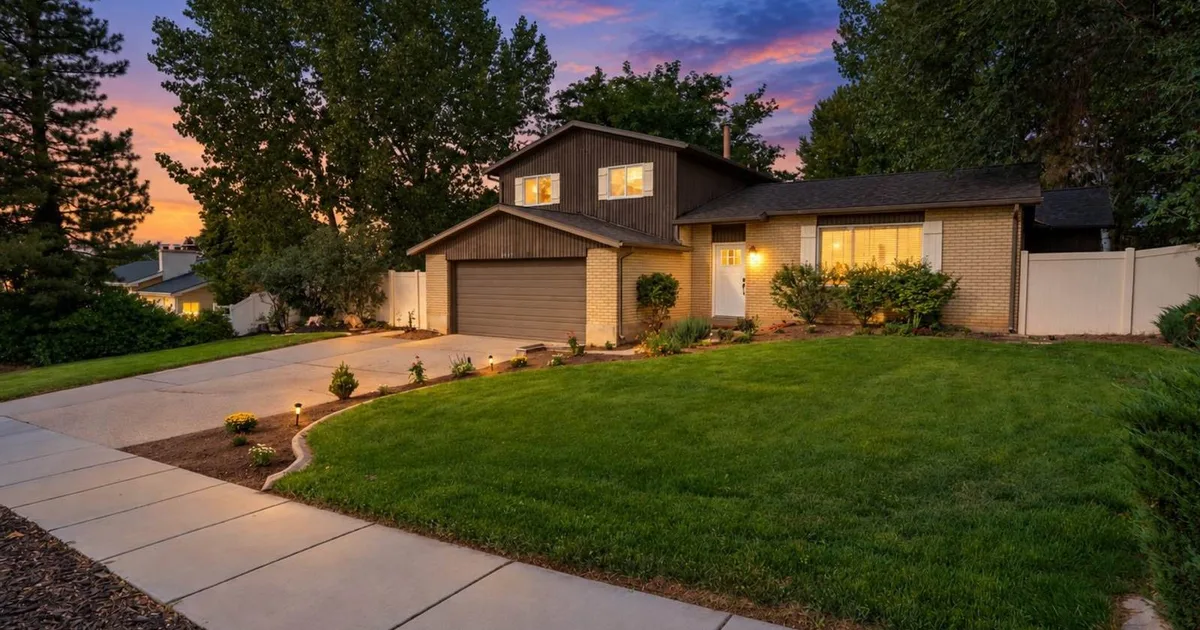
What do you need to know about the HOA when you sell a Davis County home?
When you sell a Davis County home that is part of a homeowners association, the HOA plays a role in your closing. The title company will ask the association for a payoff statement showing any dues you owe and any fees due at the sale. Buyers will ask for the HOA's documents. Any open violations or unpaid amounts can slow things down if nobody finds them until the last week.
Charisse Walker is a real estate agent with Chalker Properties Group in Salt Lake and Davis County, Utah, and a licensed mortgage lender. This guide covers the fees, the paperwork and the questions to sort out before you list, so the HOA is a checklist item and not a closing-week surprise.
Which HOA fees come up when you sell?
Every association is different, so read your own governing documents and ask your HOA or its management company. These are the charges that show up most often.
- Dues through closing. Your regular dues are paid up to the closing date. If you prepaid, the title company credits the difference. If you are behind, the past-due amount is paid from your proceeds.
- Payoff or statement fee. Many management companies charge a fee to prepare the paperwork the title company needs.
- Transfer fee. Some associations charge a fee to update their records with the new owner.
- Reinvestment fee. Many Utah associations charge a fee when a home sells, often set aside for the community's reserves. Utah law limits how large it can be, and the title company checks the amount on the statement.
- Special assessments. If the HOA has approved a special assessment, for a new roof on the townhomes or road work for example, the contract decides whether you pay it before closing or the buyer takes it over.
Who pays each fee is set by your purchase contract, not by habit. Read that section with your agent before you sign.
What HOA documents will buyers ask for?
Buyers usually review the HOA documents during their due diligence period. If the documents arrive late, the buyer's review clock can feel short, and a short clock makes buyers nervous. Expect them to ask for:
- The CC&Rs, bylaws and rules.
- The current budget and the most recent reserve study, if the HOA has one.
- Recent board meeting minutes.
- Insurance information for any shared buildings or common areas.
- Any pending special assessments or lawsuits.
- Rules on rentals, parking, pets, fences, sheds and exterior changes.
Some of this is on the HOA's website or portal. Some has to be requested from the management company. Gather what you can before you list, so your agent can share it as soon as you accept an offer.
How do you prepare before you list?
- Find your HOA contact. Self-managed HOAs often run on volunteer board members. Professionally managed ones go through a company. Know which you have and who answers the phone.
- Check your account. Log in or call to confirm your balance, any late fees and whether dues are paid through the current month.
- Ask about open violations. A letter about a fence, a shed, a paint color or a parked trailer from two years ago can still be open. Resolve it or get it in writing that it is closed.
- Ask about exterior changes. If you added a deck, a shed, solar or a new fence, confirm it was approved. Some buyers ask to see the approval.
- Ask about planned assessments. If the board is discussing a big project, you want to know before a buyer reads it in the minutes.
- Collect the documents. Download what you can and request the rest.
Doing this a few weeks before you list costs nothing and can save days later. Our guide to selling your home covers the rest of the prep list.
Can the HOA affect the buyer's loan?
Sometimes, and it depends on the type of home.
For a single-family home in a planned community, where you own the house and the lot and the HOA cares for shared areas, the HOA rarely changes how the buyer's loan works. The lender counts the monthly dues in the buyer's debt-to-income ratio, and that is usually the main effect.
For a condo, the building itself is reviewed. FHA and VA loans generally require the condo project to be approved by those programs, and conventional lenders ask the HOA to fill out a questionnaire about owner-occupancy, reserves, insurance and any lawsuits. If your project is not approved for FHA or VA, buyers using those loans may not be able to buy it, which narrows your pool. Ask your HOA or management company whether the project holds any approvals, and when they expire.
Townhomes fall in between. Depending on how the property is recorded, a townhome can be treated like a single-family home in a planned community or like a condo. Your title company or the recorded plat can tell you which.
Knowing this before you list helps your agent market the home to the buyers who can finance it, and keeps a buyer's loan from stalling halfway through.
How does the HOA affect your price and your net?
Buyers look at the monthly dues alongside the mortgage payment. Higher dues raise the monthly cost of owning the home, and buyers and their lenders count that cost. When your agent prices the home, the comparable sales should include homes with similar HOA dues and similar amenities, not only similar square footage.
On the closing side, the HOA fees come out of your proceeds unless the contract says otherwise. Ask your agent to include them on your estimated net sheet from the start. If you want to see what your home may sell for before you decide, our home valuation page is a good place to start.
What mistakes slow down HOA home sales?
- Waiting until the buyer is under contract to request HOA documents.
- Leaving an old violation letter unresolved.
- Not knowing a special assessment was approved at the last meeting.
- Missing a rental restriction that matters to an investor buyer.
- Assuming every HOA fee is the buyer's to pay.
Charisse Walker is a real estate agent with Chalker Properties Group in Salt Lake and Davis County, Utah, and a licensed mortgage lender. An HOA sale has a few more moving parts. Most of them can be handled before your home hits the market.
What does this look like for a typical seller?
Here is a typical example, not a real client. A homeowner in Syracuse is selling a home in a neighborhood with an HOA that maintains the common areas. Before listing, they log in to the HOA portal and find a past-due late fee from when they switched banks. They also find an open letter about a backyard shed that was approved verbally but never in writing.
They pay the late fee, submit the shed approval request and get a written approval from the board. They download the CC&Rs, budget and recent minutes. When an offer comes in, their agent sends the documents the same day. The buyer's review goes smoothly, the title company gets the payoff statement on time, and the fees show up on the closing statement as expected.
Frequently asked questions
Who orders the HOA payoff statement?
Usually the title company handling the closing requests it from the HOA or its management company.
Can an HOA stop my sale?
An HOA usually cannot block a sale, but unpaid balances or open issues have to be settled, and that can delay closing.
Do I pay HOA dues for the month I close?
Dues are typically prorated to the closing date. Your closing statement shows the split.
Does a townhome sale work differently from a single-family home in an HOA?
The steps are similar. Townhomes often have more shared parts, like roofs or exteriors, so buyers pay attention to reserves and insurance.
What is the next step?
If you are getting ready to sell a home in an HOA in Davis County, start with your account and your documents. Our area pages for Syracuse and Farmington have local context, and our guide to selling your home covers the full process.
Charisse Walker is a real estate agent with Chalker Properties Group in Salt Lake and Davis County, Utah, and a licensed mortgage lender. When you are ready, contact Charisse here and we will build your HOA checklist and your estimated net together.