2026-11-09 · 8 min read · Davis County
Can You Stay in Your Davis County Home After Closing? How Rent-Backs Work
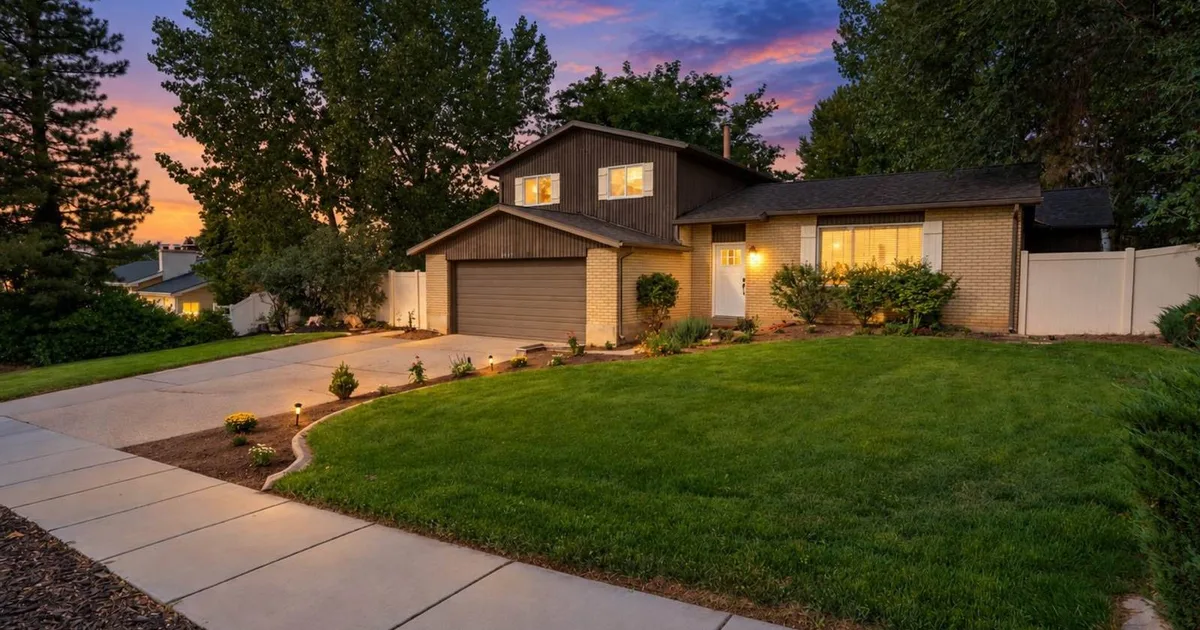
Can you stay in your Davis County home after closing?
Can you stay in your Davis County home after closing? Yes, if the buyer agrees and the terms are written into the contract or an addendum. This is called a rent-back, or post-closing occupancy. The seller closes, receives the proceeds, and then rents the home from the new owner for an agreed number of days.
Charisse Walker is a real estate agent with Chalker Properties Group in Salt Lake and Davis County, Utah, and a licensed mortgage lender. I use rent-backs to solve timing gaps for sellers whose next home is not ready on closing day. It is a useful tool, but only when it is written down clearly.
When does a rent-back make sense?
A rent-back fits when the sale and the move do not line up on the calendar. Common situations include:
- Your next home closes a week or two after this one.
- A new build you are buying is not finished.
- You are relocating and need time to finish a school year, a job transition or a move.
- You are waiting on a contractor to finish work at the home you are buying.
- You sold quickly and need time to pack a home you have lived in for years.
The alternative to a rent-back is a short-term rental, storage or staying with friends. A rent-back can be less disruptive, because you stay in the home you know.
What does a rent-back agreement need to say?
It should not be a handshake. A written agreement protects both sides. At a minimum it should cover:
- The exact dates. A start date (closing) and a firm end date.
- The daily or monthly rent. It is a negotiated amount between seller and buyer. Some buyers set it to cover their mortgage, taxes and insurance for those days. Whatever you agree on goes in writing.
- A security deposit. Often held by the title company or the buyer, and returned if the home is left in agreed condition.
- Who pays utilities during the rent-back period.
- Condition at move-out. The home should be broom-clean and empty, with repairs the contract required already done.
- Insurance. The buyer needs coverage as the new owner. You need coverage for your belongings and liability as an occupant.
- What happens if you stay past the end date. A daily penalty is common, and the amount is negotiated.
Utah contracts use standard forms and addenda. Your agent and the title company can help you use the right ones.
How does a rent-back affect the buyer's loan?
This is where it gets technical, and where I want you to check with the buyer's lender. A buyer who is financing the home is usually asked to occupy it as their primary residence within a certain time after closing. Many loan programs allow a short delay, and the lender's rules decide how long. A rent-back that is brief and clearly documented is often workable, but a long one may not be.
When I am the agent, the buyer's loan is handled by their own lender. I do not give lending advice on that transaction. What I do is ask the buyer's lender early, in writing, whether the proposed rent-back dates fit their program. If the answer is no, we adjust the dates before the contract is final.
Government-backed programs such as FHA and VA have their own occupancy rules, and the lender can tell you how they apply.
How should you think about the rent price?
There is no standard figure, and I will not suggest one. The buyer is taking on the cost of owning a home they cannot yet use. Common approaches are to cover the buyer's carrying costs for those days or to base it on what comparable short-term rentals in the area charge. Whatever number you settle on, put it in writing and note whether it is paid at closing or at move-out.
If you are the seller, treat the rent as a cost in your net proceeds. If you are comparing offers, one with a higher price and a costly rent-back may net you less than a lower offer with no rent-back. I build a side-by-side net sheet so you can see the difference.
What is the step-by-step plan for a seller?
- Decide how many days you need, and add a cushion. Moves slip.
- Tell your agent before you list. A rent-back request is easier to negotiate when it is part of the terms from the start.
- Ask the buyer's agent to confirm with the buyer's lender that the dates work.
- Put the rent-back terms in a signed addendum with dates, rent, deposit, utilities and condition.
- Arrange your insurance for the period.
- Do a walk-through at closing and again at move-out, and document the condition.
- Return the keys on the agreed date.
How do you prepare for the day you hand over the keys?
The end of a rent-back is the moment most likely to go wrong, so plan it from the first day. Pack in stages rather than the last weekend. Book movers or a truck for a date a day or two before the deadline, so a delay does not push you past it. Schedule a final clean, and take dated photos of every room once you are out.
Gather the things the buyer will want: garage door openers, keys, mailbox keys, manuals and warranty papers for appliances that stay. Tell your utility companies the date you are leaving so the accounts transfer cleanly. If the buyer has a final walk-through at the end, be ready for it. A calm handoff protects your deposit and keeps the relationship good, which matters if any question comes up after closing.
If you cannot make the date, tell your agent as early as you can. A buyer who hears about a delay a week ahead can often work with you. A buyer who finds out on the last day usually cannot.
What mistakes do sellers and buyers make with rent-backs?
- Agreeing by text or by phone. If it is not in the signed documents, it is a source of conflict.
- Asking for too many days. The longer the rent-back, the more risk to the buyer and the more likely the lender objects.
- Forgetting insurance. After closing, the seller's homeowner's policy no longer covers the house.
- Leaving repairs unfinished. A rent-back does not postpone repairs the contract requires. Agree on who completes what and when.
- Having no plan if the next home is delayed. A backup place to stay lowers the pressure to overstay.
What does this look like for a typical Davis County seller?
Here is a typical example, not a specific client. A seller has a home under contract with a closing in mid-December. The seller is buying a home that is scheduled to close two weeks later.
The seller asks for a ten-day rent-back, and the buyer's agent confirms with the buyer's lender that the dates fit. The parties sign an addendum listing the dates, the daily rent, a deposit held by the title company, and who pays utilities. The seller closes, receives proceeds, and moves into the new home on schedule. The buyer receives the keys on the agreed date and a home in the agreed condition. Nobody has to improvise because the terms were written before closing.
What do Davis County sellers ask most about rent-backs?
Do buyers have to agree to a rent-back? No. It is a negotiated term. Some buyers want possession at closing, especially if they are on a deadline themselves.
Can I ask for one after the contract is signed? You can ask. The buyer may say no or may ask for something in return. It is simpler to include it in the offer or counter.
What if I do not move out on time? The addendum should say what happens. The buyer may be able to charge the agreed daily amount, and in serious cases may pursue legal remedies. Talk with your broker or an attorney about specifics.
Is this the same as a lease? It works like a short one. It is documented as part of the sale, but you should ask your broker or attorney if you have questions about your rights.
What is the next step if you are selling in Davis County?
If your sale and your move do not line up, tell me the dates before we list. I will build the timeline, flag the lender questions early, and write the terms so they hold. Contact Charisse here.