2026-11-26 · 7 min read · Salt Lake County
Should You Test for Radon Before Buying a Salt Lake County Home?
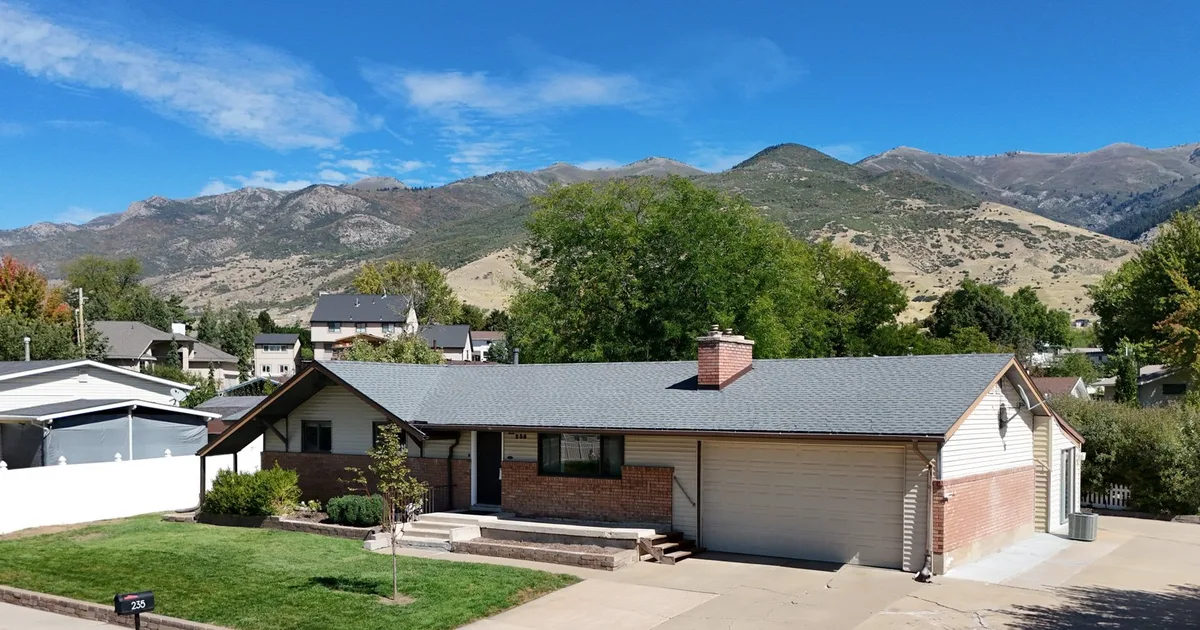
Should you test for radon before buying a Salt Lake County home?
Yes, in most cases. Radon is a gas that comes from uranium breaking down in soil and rock. It has no smell, no color and no taste, so the only way to know a Salt Lake County home's level is to test it. The best time is during your due diligence period, when a high result still gives you options.
A radon test costs little next to the price of the home. If the result is fine, you move on with peace of mind. If it is high, you have a known fix and a clear reason to ask the seller to help with it.
At Chalker Properties Group, we add radon to the inspection plan for most of the buyers we work with. Charisse Walker is a real estate agent with Chalker Properties Group in Salt Lake and Davis County, Utah, and a licensed mortgage lender.
What is radon, and why does it matter in a home?
Radon seeps up from the ground and can collect inside a house, mostly on the lowest level. The EPA ranks radon as the second leading cause of lung cancer, after smoking. The risk comes from breathing it over years, which is why a buyer planning to live in a home for a long time should care about it.
Radon is measured in picocuries per liter, written pCi/L. The EPA recommends fixing a home at 4 pCi/L or higher and suggests considering a fix between 2 and 4.
Any home can test high. New or old, with a basement or without, on the bench or in the valley. Two houses on the same street can get different results, so a neighbor's number tells you nothing about the house you are buying.
When should you test during the purchase?
Test inside your due diligence period. Under the Utah Real Estate Purchase Contract, that is the window you negotiate for inspections, and it is the time you can cancel or ask for repairs. Our guide to the Utah REPC walks through how those deadlines work.
Schedule the radon test on the same day as your general home inspection, or the day after. A short-term test runs at least 48 hours, and you want the report in hand with a few days to spare before your deadline. Waiting until day ten of a fourteen-day window leaves no room if the result comes back high.
How does a radon test work, step by step?
- Hire a certified tester. Ask whether they hold a national radon certification (NRPP or NRSB). Many home inspectors in Salt Lake County offer radon testing as an add-on.
- Arrange closed-house conditions. Windows and outside doors stay closed for 12 hours before the test and during it, except for normal coming and going. The seller lives there, so your agent coordinates this with the listing agent.
- The tester places a monitor. It goes on the lowest level someone could live in, usually the basement. Most testers use a continuous monitor that records readings every hour.
- Read the report. You get an average level plus the hourly readings. A continuous monitor can also flag movement or open windows, which helps you trust the number.
- Decide before your deadline. Go over the result with your agent and decide whether to proceed, ask for a fix or cancel.
What happens if the radon level comes back high?
A high result is common, and it is fixable. A certified mitigation contractor usually installs a pipe through the basement floor with a fan that pulls the gas from under the slab and vents it above the roofline. After the system is in, a follow-up test confirms the level dropped.
You have three main paths:
- Ask the seller to install a system before closing, by a certified mitigator, with a post-mitigation test showing the result.
- Ask for a credit or price adjustment and install the system yourself after you move in, choosing your own contractor.
- Cancel within due diligence if you are not comfortable going forward.
Which one makes sense depends on your timeline, how competitive the deal was and how much control you want over the work. Our guide on negotiating repairs after an inspection covers how to frame the request.
What if the home already has a radon system?
That is a good sign, but still test. Look for a gauge on the pipe, often a U-shaped tube with colored liquid, which shows whether the fan is pulling. Listen for the fan running. Then ask the seller for:
- When the system was installed and by whom
- The test result after installation
- Any later test results
- Whether the fan has ever been replaced
Fans wear out over time, and a system that was added years ago may not have been checked since. A fresh test during your purchase tells you whether it is still doing its job.
How does a radon fix affect your timeline and budget?
If the seller agrees to mitigate before closing, build the work into the contract with clear dates. The contractor needs time to install the system, and the follow-up test needs its own 48 hours or more after the system has run for a day or so. Ask your agent to put the deadline for the post-mitigation result ahead of your settlement date, so you are not closing on a promise.
If you take a credit and install the system yourself, get a quote from a certified mitigator during due diligence. That gives you a real number to negotiate with instead of a guess. Ask the contractor where the pipe would run, whether the basement layout makes the install harder and how loud the fan will be near any bedrooms.
Either way, keep every document: the original test, the mitigation invoice and the follow-up result. When you sell someday, those papers answer the next buyer's question before they ask it.
What mistakes do buyers make with radon?
- Skipping the test because the home is new or has no basement.
- Scheduling it late in due diligence, then running out of time to negotiate.
- Relying on a neighbor's result or a number from years ago.
- Assuming an existing system works without seeing a recent test.
- Asking the seller to "take care of it" without requiring a certified mitigator and a post-mitigation test in writing.
- Using a cheap kit that sits in the wrong spot or gets disturbed, which can give a reading you can't trust.
Charisse Walker is a real estate agent with Chalker Properties Group in Salt Lake and Davis County, Utah, and a licensed mortgage lender. A radon test is a small line item, and it is far easier to deal with before closing than after.
What does this look like for a typical buyer?
Here is a typical example, not a real client. A first-time buyer goes under contract on a rambler in Salt Lake County with a finished basement they plan to use as a bedroom and office. They book the home inspection and a radon test for the second day of due diligence.
The report comes back above the EPA's action level. With a week left on the deadline, the buyer asks the seller to have a certified contractor install a mitigation system before closing and to provide a post-mitigation test. The seller agrees. The system goes in, the follow-up test shows a much lower level and the buyer closes with the paperwork in their file for the day they sell.
Frequently asked questions
Does a brand new home need a radon test?
Yes. Some builders add a passive pipe during construction, but that does not guarantee a low level. Test it.
Who pays for the radon test?
Usually the buyer, as part of due diligence, the same way you pay for the home inspection.
Can I test after I move in instead?
You can, and a long-term test over 90 days or more gives a better picture of the yearly average. But once you close, the seller is no longer part of the fix.
Is a radon system loud or ugly?
Most fans make a low hum. The pipe usually runs up an outside wall or through the garage, and the installer can talk with you about placement.
Will a radon system hurt resale?
Many buyers see a working system with records as a plus, because the question is already answered.
What should you do next?
If you are shopping for a home in Salt Lake County, put radon on your inspection plan before you write the offer, so the timing is already set when you go under contract. Our guide to what to expect at a Utah home inspection covers the rest of the list, and our buying a home page explains how we run the whole process. Looking around the valley? Start with our Salt Lake City page.
Charisse Walker is a real estate agent with Chalker Properties Group in Salt Lake and Davis County, Utah, and a licensed mortgage lender. When you are ready, contact Charisse and we will build your offer and your inspection plan together.