2026-11-13 · 7 min read · Salt Lake County
What Will Your Property Taxes Be on a Salt Lake County Home You Buy?
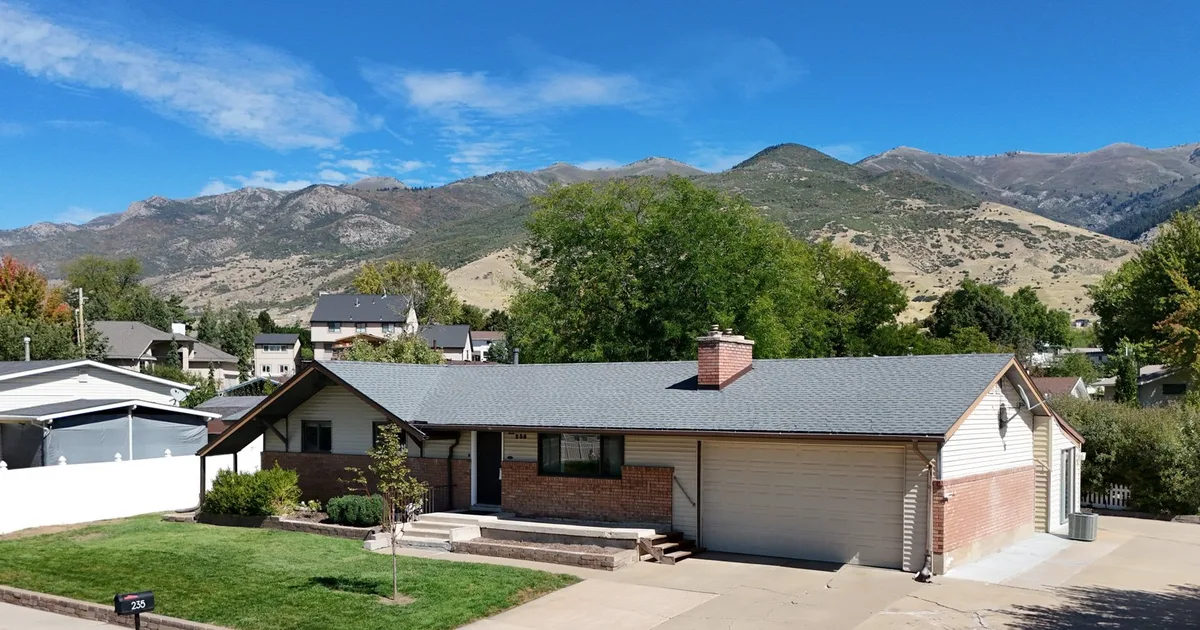
What will your property taxes be on a Salt Lake County home you buy?
What will you pay in property taxes on a home you buy in Salt Lake County? It depends on two things: the value the county assessor puts on the home, and the combined tax rate for that exact address. If the home will be your primary residence, Utah taxes it on 55% of its market value, not the full value. That one rule changes the bill more than most buyers expect.
Charisse Walker is a real estate agent with Chalker Properties Group in Salt Lake and Davis County, Utah, and a licensed mortgage lender. She has buyers look up the tax history on a home before they write an offer, because the tax bill is part of the monthly payment and part of whether the house fits.
You don't need to become a tax expert. You need to know where the number comes from, where it can change after you buy, and how to check it for the house you're looking at.
How does Utah figure property taxes on a home?
The county assessor sets a market value for every parcel as of January 1 each year. That value is based on what similar homes have been selling for, not on what you paid.
If the home is your primary residence, Utah exempts 45% of that value. So you're taxed on 55%. A home the assessor values at $500,000 would have a taxable value of $275,000.
That taxable value is multiplied by the combined rate for the address. The rate is a stack of separate rates from every taxing entity that covers the property: the county, the city, the school district, and special districts like water, sewer, fire or mosquito abatement. Two homes a few miles apart in Salt Lake County can sit in different districts and carry different combined rates.
Utah property taxes are paid once a year, for the calendar year. Bills go out in the fall and are due at the end of November.
How do you estimate the property taxes on a specific Salt Lake County home?
- Find the parcel. The Salt Lake County Assessor and Treasurer websites let you search by address. You'll see the parcel number, the current market value and recent tax amounts.
- Check last year's bill. The listing may show an annual tax amount. Confirm it against the county record. Listing figures are sometimes a year or two old.
- Check whether the exemption was applied. If the current owner rented the home out, or it was a second home, last year's bill may reflect the full value. Your bill as an owner-occupant could be lower.
- Look at the value against your price. If you're paying well above the assessed value, expect the value to rise over the next assessment cycles, and the bill with it.
- Divide by 12. Most lenders collect property taxes monthly through an escrow account and pay the bill for you. Add that monthly amount to your payment estimate before you decide what you can spend. The guide on how much house you can afford in Utah walks through the rest of the payment.
Why can the first tax bill on a new construction home be misleading?
This is the one that surprises Salt Lake County buyers most often.
The assessor values a property based on what is there on January 1. If a new home was a bare lot or half built on that date, the tax bill for that year reflects a lot or a partly finished house. That number may be what you see in the listing or the county record.
The next January, the assessor values the finished home. The bill can jump a lot from one year to the next. If your lender set up your escrow account based on the low first-year number, your monthly payment can go up after the escrow review to cover the shortage.
On new construction, ask the builder or your lender for an estimate based on the finished value, not the current bill. Budget for the higher number from day one.
What do you need to do after you buy to keep the primary residence exemption?
In most cases the exemption follows the home's use, not a form you file at closing. But the county may send a letter asking you to confirm the home is your primary residence. Answer it. If you don't, the county can remove the exemption, and your next bill is figured on the full value.
If you buy a home and rent it out, or it becomes a second home, the exemption doesn't apply. The same goes the other way: if you buy a former rental to live in, check that the county updates the parcel so you get the exemption going forward.
How are property taxes handled at closing in Utah?
Because the tax year runs January through December and the bill is paid in November, taxes at closing are prorated. The seller pays for the part of the year they owned the home, and you pay for the rest.
If you close in the spring, the current year's bill hasn't been issued yet. The title company usually estimates it from the prior year's amount and credits you for the seller's share. You then pay the full bill when it comes due in November, usually through your escrow account.
You'll see this as a line on your closing statement. The breakdown of Utah buyer closing costs shows where it lands with your other costs.
What property tax mistakes do Salt Lake County buyers make?
Using the listing's tax number without checking it. It may be old, or it may reflect a rental with no exemption.
Budgeting off a new construction lot bill. The finished home will be taxed at its finished value.
Ignoring the gap between the price and the assessed value. A big gap usually closes over time, upward.
Skipping the county letter. An unanswered primary residence request can cost you the exemption.
Forgetting that taxes can rise even if your value doesn't. When a taxing entity wants more revenue than last year, Utah requires a public Truth in Taxation hearing. Those notices come in the summer. If a rate increase is proposed for your area, you can attend and comment.
What does this look like for a typical Salt Lake County buyer?
Here is a typical example, not a specific client. A buyer is comparing two homes in Salt Lake County at similar prices. One is a resale home in an established neighborhood. The other is a newly built townhome.
The townhome's listing shows a much lower annual tax amount, and at first it looks like the cheaper home to own. Before writing an offer, the buyer looks up both parcels on the county site. The townhome's last bill was figured on a partly finished building as of January 1. The resale home's bill reflects a full year as a finished, owner-occupied house.
The buyer asks their lender for a payment estimate on the townhome using its expected finished value. The monthly tax difference between the two homes turns out to be small. Now the buyer is comparing them on what matters to them, the commute, the HOA and the yard, instead of on a tax number that would have changed the next year.
Salt Lake County property tax FAQ for buyers
When are property taxes due in Salt Lake County?
When are Utah property taxes due? At the end of November each year, for that calendar year.
Do I pay property taxes at closing?
Do buyers pay property taxes at closing in Utah? Taxes are prorated at closing. You usually get a credit for the seller's share, then pay the full bill in November, often through escrow.
Can I appeal my assessed value?
Can you appeal your home's value in Salt Lake County? Yes. The valuation notice mailed in the summer lists the deadline and how to file with the County Board of Equalization. The window is short, so read the notice when it arrives.
Does the exemption apply to a condo or townhome?
Does the primary residence exemption apply to condos and townhomes? Yes, if it is your primary residence.
Will my taxes go up after I buy?
Will buying the home raise the taxes? The sale itself does not reset the tax in Utah. But the assessor reviews values every year based on what similar homes in the area are selling for, so the value can move after you buy.
How can Chalker Properties Group help you buy in Salt Lake County?
Charisse Walker is a real estate agent with Chalker Properties Group in Salt Lake and Davis County, Utah, and a licensed mortgage lender. Her lending background means she runs the full monthly cost on a home before you write an offer, taxes included, so you're not surprised after closing.
If you're starting out, the first-time buyer page lays out the steps. The buying a home page covers the full process, and the Salt Lake City area page compares neighborhoods on commute and price.
Looking at a home in Salt Lake County and want the real monthly number? Send Charisse the address and she'll walk you through it.