2026-11-25 · 7 min read · Salt Lake County
Private Listing or Full Market Launch: How Should You Sell Your Salt Lake County Home?
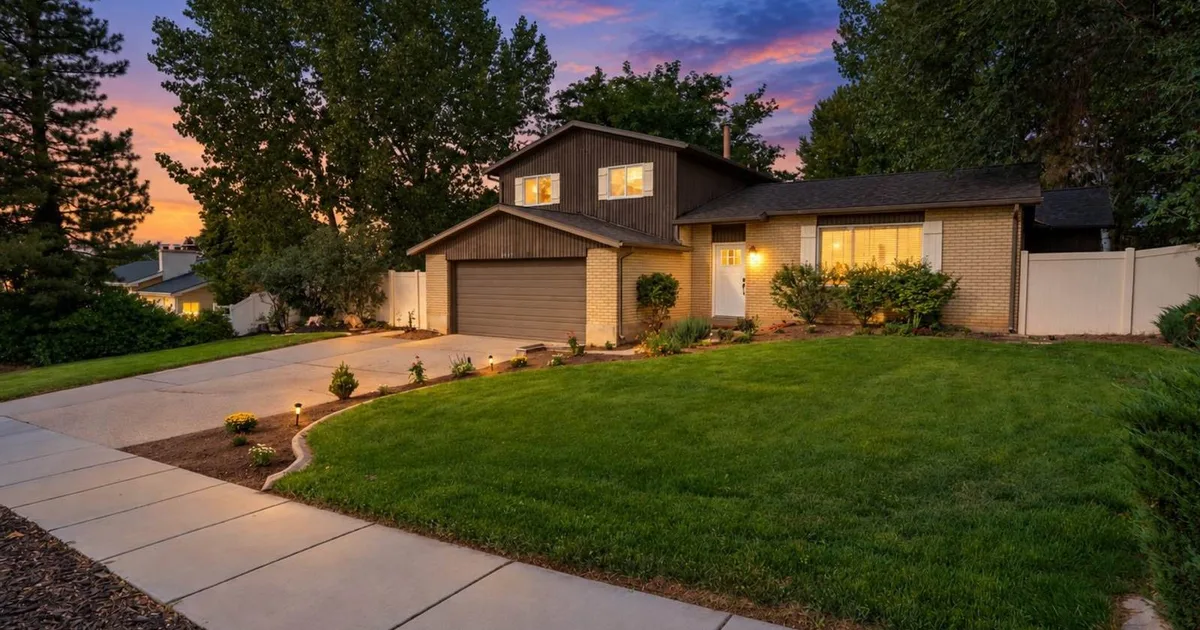
Should you sell your Salt Lake County home privately or put it on the open market?
For most sellers, a full launch on the MLS brings more buyers, and more buyers usually means stronger offers and better terms. A private or off-market sale trades some of that reach for privacy, control over who walks through and fewer showings. That trade can be worth it in a few situations, such as a divorce, a sale with a tenant in place or a family that cannot handle a stream of showings. It should be a decision you make on purpose, with the cost in front of you.
The question to answer is simple: what is privacy worth to you, measured against the price and terms you might give up? Your net is the number that matters, and reach is one of the biggest things that moves it.
Charisse Walker is a real estate agent with Chalker Properties Group in Salt Lake and Davis County, Utah, and a licensed mortgage lender. Here is how to weigh the two paths for a Salt Lake County home.
What is a private or off-market listing?
A private listing is a home marketed to a limited group instead of the whole market. That might mean only your agent's own buyer contacts, a brokerage's internal network or a short list of agents who have buyers searching in your area. The home is not shown on the public MLS feed that sends listings to the big home search websites.
The rules for how agents may market a home outside the MLS are set by the MLS and by industry policy, and they have changed in recent years. Ask your agent exactly what options your MLS allows, what disclosures you would sign and how each option affects your exposure.
What does a private sale cost you?
- Fewer buyers. A buyer relocating to Salt Lake County, or one working with an agent outside your agent's network, may never hear about the home.
- Less competition. Multiple offers usually come from wide exposure. With fewer buyers, you may get fewer offers to compare.
- Weaker price evidence. When the market has seen your home and responded, you know the price was tested. A private sale leaves that question more open.
- A possible later launch anyway. If the quiet approach does not produce a buyer, you still need a full launch, and some of the newness may be gone.
When can a private sale make sense?
- Divorce or a family conflict, when the sellers want as little public attention as possible. Our divorce home sale page covers that path.
- A home with a tenant whose lease limits showings.
- Privacy or security concerns, such as a seller with a public profile.
- A seller who is not sure yet, and wants to see whether a buyer would pay a target number before committing to a full launch.
- An estate sale where heirs want a quiet process while they settle other matters. Our probate and trust page has more.
Even in these cases, a full launch with limited showing windows can sometimes give you the reach without the disruption. Ask about both before you choose.
How do you decide, step by step?
- Name what you want to protect. Privacy, time, a tenant, your schedule or your price. Rank them.
- Get a pricing analysis either way. Know what recent comparable sales support before you test a number privately. See our home valuation page.
- Ask how many buyers each path reaches. Your agent can tell you roughly how many active buyers are in their network for your price range and area.
- Set a time limit on any private period. If no acceptable offer comes in by a set date, the home launches to the full market.
- Plan the full launch in advance. Photos, description and pricing should be ready, so a switch does not cost weeks.
- Compare offers on net, not price. Our seller net sheet guide shows how to read what you keep.
What does a full market launch give you?
A full launch puts your home in front of every buyer searching your price range, every agent with a buyer and every website that pulls from the MLS. Good photos, video and a clear description let buyers decide quickly whether to tour. The first days on the market tend to bring the most attention, which is why preparation before launch matters so much.
Reach also protects you in a quieter way. When many buyers have seen a home and the offers line up with the pricing analysis, you have evidence the price was right. That matters in a divorce or an estate sale, where more than one person has to agree the number was fair. A sale that only a few buyers saw is harder to defend to a co-owner, a sibling or a court.
A full launch does not mean an open door at all hours. You can set showing windows, require pre-approval letters before tours and limit open houses. Most of the privacy sellers want can be handled through how the home is shown, not whether it is listed.
What mistakes do sellers make with private listings?
- Choosing a private sale without seeing what reach they give up.
- Testing a price privately with no deadline, so the home sits in limbo.
- Accepting the first private offer without knowing what the open market might bring.
- Assuming a private sale means no disclosures. Utah seller disclosure duties still apply.
- Launching publicly later with the same price and photos after a private period that did not work.
Charisse Walker is a real estate agent with Chalker Properties Group in Salt Lake and Davis County, Utah, and a licensed mortgage lender. The right plan is the one that matches your reasons, with a clear exit if it does not work.
What does this look like for a typical seller?
Here is a typical example, not a real client. A couple in the middle of a divorce owns a home on the east side of the Salt Lake Valley. Neither wants a sign in the yard or a weekend of open houses, but both want the strongest net the market will support.
Their agent prepares a pricing analysis and full marketing materials, then offers the home quietly to agents with active buyers for two weeks. One buyer tours but offers well under the analysis. On day fifteen, the home launches to the full market with set showing windows and no open house. It draws several showings in the first week, and the couple accepts an offer close to the analysis with terms that fit both their timelines.
Frequently asked questions
Do private listings sell for less?
Not always, but fewer buyers usually means less competition. Weigh that risk against what privacy is worth to you.
Can I keep my home off the big search websites?
Some options limit where a listing appears. Ask your agent what your MLS allows and what it costs you in reach.
Do I still have to fill out a seller disclosure?
Yes. Disclosure duties do not change because a sale is quiet.
Can I start private and switch to a full launch?
Often, yes. Set the switch date and the plan before you start.
Will fewer people walk through my home on a full launch if I limit showings?
Yes, and that is the point. Showing windows and pre-approval requirements give you control while keeping the reach.
What is the next step?
If you are deciding how to sell your Salt Lake County home, start with what you want to protect and a pricing analysis. Our guide to selling your home covers the full process, and our Salt Lake City and Murray pages have local context.
At Chalker Properties Group, we lay out both paths with the numbers, then recommend one based on your goals. Charisse Walker is a real estate agent with Chalker Properties Group in Salt Lake and Davis County, Utah, and a licensed mortgage lender. If you want help choosing, contact Charisse and we will build your plan together.