2026-11-17 · 5 min read · Davis County
Pay Off Debt or Save for a Down Payment? How Should Davis County Buyers Decide?
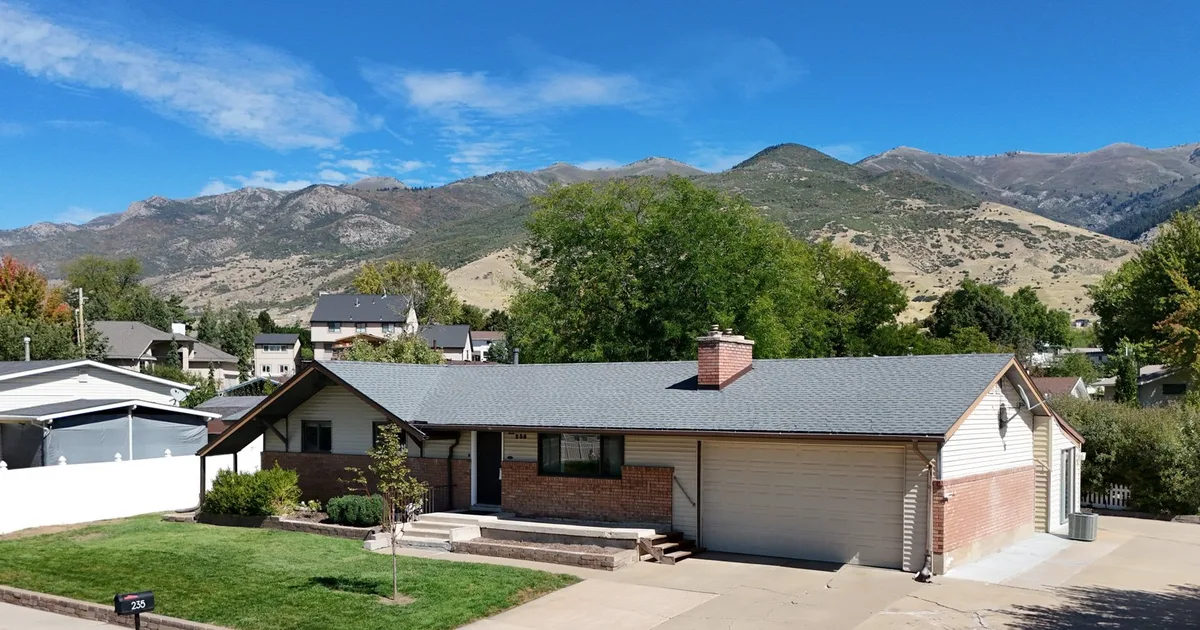
Should you pay off debt or save for a down payment before buying in Davis County?
It depends on which debt, how large it is and what your target loan requires. There is no single answer, but there is a clear way to find yours: ask your lender to run both scenarios with real numbers, then compare the monthly payment, the cash to close and the cash you keep afterward.
As a general idea, high-interest revolving debt, such as credit cards, often deserves attention first, because it costs you money every month and affects your credit. Installment loans with a low payment, like some car loans, may not be worth emptying your savings to pay off. I am a licensed mortgage lender, and this is general education, not a quote or a promise of approval. Charisse Walker is a real estate agent with Chalker Properties Group in Salt Lake and Davis County, Utah, and a licensed mortgage lender.
How does debt affect your mortgage approval?
Lenders compare your monthly debt payments with your gross monthly income. That is your debt-to-income ratio, often called DTI. Credit cards, car loans, student loans and other monthly obligations go into it, along with the new housing payment. A lower DTI gives you more room. A higher one can limit the loan amount or the programs available.
Two things matter here. The payment, not the balance, counts in DTI for most debts. And your credit score is affected by balances and payment history. For the details of the ratio, see debt-to-income ratio for Davis County home buyers.
When does paying off debt help the most?
Paying off a debt can help when it removes a monthly payment that is holding your DTI above what a program allows, or when it lowers your credit card balances enough to improve your score. Two examples:
- A credit card with a high balance and a high interest rate, where paying it down helps your score and removes a payment
- A small loan with a monthly payment that is large compared to its remaining balance
In those cases, the payment you eliminate can be worth more to your approval than the same dollars in a down payment. Ask your lender to model it. Do not guess.
When does saving for a down payment help the most?
Saving helps when the down payment changes the loan itself. A larger down payment can lower your monthly payment, reduce or remove mortgage insurance on some loans and improve your options. It also pays for closing costs, which are a real cash need at closing. If your cash is short, paying off a debt could leave you unable to close.
Cash reserves matter, too. Lenders and sensible buyers like to see money left after closing for repairs and surprises. A home purchase that leaves nothing in the bank can become a problem in the first month. See what home buyers pay in closing costs in Utah for the cash that is not part of the down payment.
How do you compare the two choices?
Ask your lender for a short side-by-side. Here is the order I would use:
- List every debt with its balance, monthly payment and interest rate.
- Run the base case. Your current debts, your planned down payment and the estimated payment.
- Run the payoff case. Pay off one debt, lower the down payment by that amount and see the new payment, DTI and cash to close.
- Compare the monthly payment in both cases, including taxes and insurance.
- Compare cash left after closing. Decide how much cushion you need.
- Check the credit effect. Ask how paying off the debt may change your score and when.
Keep the numbers on one page. If the difference is small, choose the path that leaves you more cash and less stress.
What should you not do before you talk to a lender?
Do not close accounts, open new ones or move large amounts of money without a plan. Closing an old credit card can lower your available credit and affect your score. Opening a new card or financing furniture before closing can change your numbers and delay or derail an approval. A large deposit needs documentation. For a short list of what to avoid, see what not to do after mortgage pre-approval. It was written for Salt Lake County, and the rules are the same in Davis County.
If you carry student loans, they are part of the equation too. See student loans and getting a mortgage.
What does a typical decision look like?
Here is a typical example, not a specific client. A Davis County buyer has savings for a down payment and a credit card balance she has carried for months. Her lender runs two scenarios. In the first, she keeps her savings for the down payment and the card payment stays in her DTI. In the second, she uses part of her savings to pay off the card, which lowers her monthly debt and may improve her score, and she puts down a bit less.
The second scenario gives her a lower DTI and a similar payment, but less cash left after closing. She decides on a middle path: pay down the card enough to reach a lower balance, keep a cushion and wait a month for her score to update. The choice came from the numbers, not from a rule of thumb.
What are the common mistakes?
- Paying off everything. You still need cash to close and a reserve.
- Ignoring the payment. The monthly payment, not the balance, counts in DTI.
- Using all savings for the down payment. Keep a cushion.
- Paying off the wrong debt. A low-rate loan may not be the priority.
- Closing old accounts. It can hurt your score.
- Skipping the lender conversation. Run the numbers with a professional.
- Waiting for perfect. Small improvements may be enough.
For a wider plan, credit score prep 90 days before a mortgage is a useful companion.
What is the next step?
Gather your debt statements, your income documents and your savings balances, and have a conversation with a lender about your target price. If you are earlier in the process, Utah down payment assistance programs and first-time homebuyer loan programs explain what help may exist. When I am your agent, your loan comes from your own lender. I do not act as both on one transaction, but I can help you prepare and ask the right questions.
Frequently asked questions
Which debt should I pay first? Usually the one with a high rate or a large monthly payment, but run the numbers with a lender.
Will paying off a card raise my score? It can. Results vary, so ask your lender how it may affect yours.
Is cash after closing really needed? Yes. Repairs and moving costs come soon after you get the keys.
Does a bigger down payment help? It can lower your payment and change your options, but it is not the only factor.
Should I close old cards? Ask your lender first. Closing them can affect your score.
What is the next step?
If you are weighing debt against a down payment in Davis County, we can lay out the choices and connect you with the right questions for your lender. Contact Chalker Properties Group and we will go through the next steps, simplified.
Charisse Walker, NMLS #2118149, is a mortgage loan originator with Morty, Inc., a licensed mortgage broker, NMLS #1429243. All loans are funded by third-party lenders. Equal Housing Opportunity.