2026-11-09 · 8 min read · Davis County
How Do You Negotiate on a Davis County Home That Has Been on the Market a While?
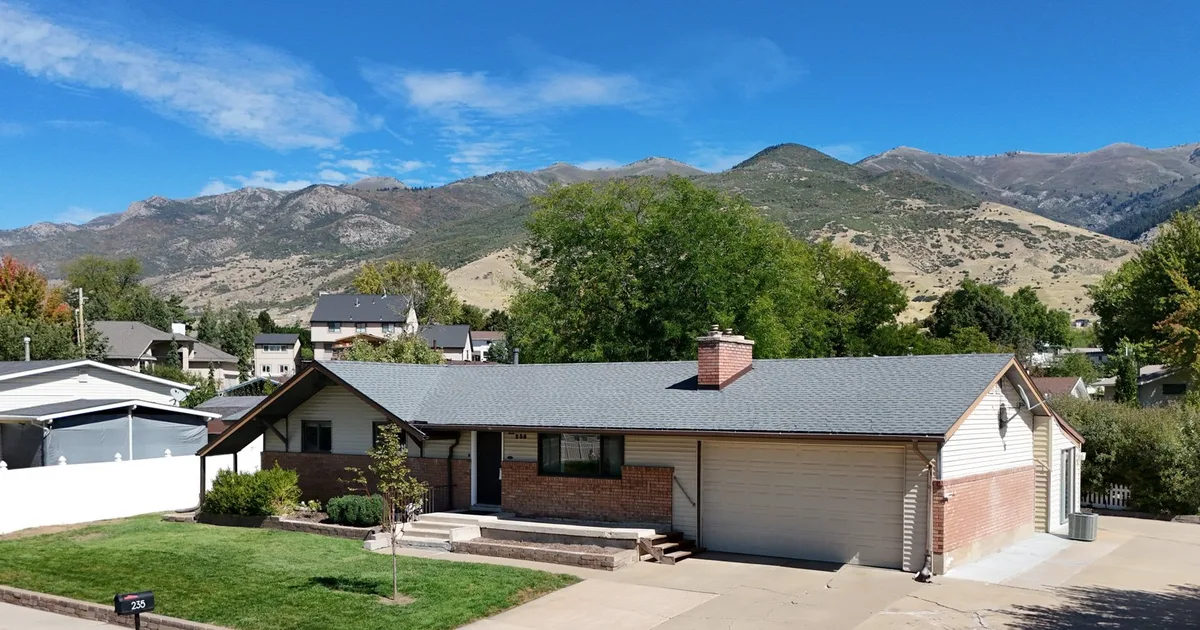
How do you negotiate on a Davis County home that has been on the market a while?
How do you negotiate on a Davis County home that has been on the market a while? You start by finding out why it is still for sale. Then you write an offer that solves the seller's problem while protecting your budget. Price is one lever. Closing costs, a rate buydown, repairs and timing are the others, and a seller whose home has been sitting is often more open to all of them.
Davis County homes have been taking longer to sell than they did a year ago, and fewer homes have sold over the same stretch. That gives buyers more room to ask. It does not mean every seller will say yes to a low number. A lowball offer on the wrong house can end the conversation before it starts.
Charisse Walker is a real estate agent with Chalker Properties Group in Salt Lake and Davis County, Utah, and a licensed mortgage lender. I write offers on homes that have been sitting in Layton, Kaysville, Syracuse and the rest of the county. The buyers who come out ahead ask for the one or two things that matter most to them, with a reason attached.
Why has this house been on the market longer than others?
Before you pick a number, figure out what is keeping buyers away. A home usually sits for one of a handful of reasons:
- The price started too high. Buyers compared it to recent sales nearby and moved on.
- Condition. An old roof, a dated kitchen, a furnace near the end of its life, or a basement finished without permits.
- Photos and presentation. Dark pictures or a thin listing description can hide a solid house.
- Location details. A busy road, power lines, a steep driveway or a lot that backs to a commercial building.
- Showing access. A tenant-occupied home or a seller who limits showings gets fewer visits.
- Timing. Buyer traffic tends to slow around the holidays, so a home listed in late fall can sit longer than it would in spring.
Each reason points to a different ask. A price problem calls for a price conversation. A condition problem calls for a credit or a repair. An access problem can mean the seller is more motivated than the listing lets on.
How do you find out what the seller needs?
Your agent can learn a lot before you write a word. Here is what I look at for a buyer:
- Price history. The MLS shows each price change. Two reductions in six weeks tells a different story than a price that has not moved.
- Relists. Some homes get pulled and listed again as new. The full history shows how long the seller has been trying.
- Status changes. A home that went under contract and came back on the market may have lost a buyer to financing or inspection. That is worth asking about.
- A call to the listing agent. I ask what matters most to the seller: price, a quick close, a later move-out date, or fewer repairs. Many agents will tell you.
- Whether the home is vacant. A seller paying a mortgage, utilities and insurance on an empty house feels that cost every month.
None of this tells you the seller's bottom line. It tells you what kind of offer will get a serious response.
What can you ask for besides a lower price?
Price is the first thing most buyers think about. On a home that has been sitting, these other terms can be worth as much or more:
- Seller-paid closing costs. The seller covers part of your closing costs, which lowers the cash you bring to closing.
- A rate buydown. The seller pays to lower your interest rate for the first year or two, or for the whole loan. On a monthly budget, this can do more than a small price cut. Read how a rate buydown works for Davis County buyers.
- Repairs or a repair credit. If the furnace or water heater is old, ask for a replacement or a credit.
- Included items. Appliances, a shed, window coverings or a hot tub.
- Timing that fits the seller. A faster close or a later one, if that is what the seller needs.
Your loan program caps how much a seller can pay toward your costs. Have your lender confirm that limit before the offer goes in, so you do not ask for money you cannot use.
How do you write the offer, step by step?
- Get pre-approved first. A seller who has waited weeks wants a buyer who can close. A full pre-approval from a local lender carries weight.
- Pull the recent sales. Look at what similar homes nearby sold for in the last few months. Asking prices tell you what sellers hope for. Sold prices tell you what buyers paid.
- Pick your one or two priorities. Maybe it is price. Maybe it is lower cash to close. Asking for everything at once reads as a lowball and often gets no counter at all.
- Explain the number. A short note from your agent with the comparable sales or a repair estimate gives the seller a reason to say yes.
- Keep your protections. In Utah, the Real Estate Purchase Contract gives you a due diligence deadline, a financing and appraisal deadline and a settlement deadline. Do not give those up to make the offer look stronger. Here is how the Utah REPC works.
- Set a short response deadline. A day or two keeps the seller from shopping your offer to someone else.
- Plan for the counter. Decide before you send it how far you will move and what you will trade. Then you are not deciding under pressure.
Can you still negotiate after the inspection?
Yes. Your due diligence period is when you inspect the home, and anything new that comes up is fair to discuss. On an older Davis County home, that might be the sewer line, an aging roof or drainage around the foundation.
If the seller already gave on price, expect more pushback on repairs. It helps to weigh both together instead of treating the inspection as a second round. See how repair negotiation works in Utah.
The appraisal is another checkpoint. A home that sat because it was overpriced is more likely to appraise below the contract price, and the seller may need to come down for the sale to close.
What mistakes cost buyers money on a home that has been sitting?
- Assuming the seller is desperate. Some sellers have plenty of equity and no deadline. They will let the home sit before they take an offer that feels insulting.
- Skipping the inspection to win. A home that sat may have a reason. Find out what it is.
- Fighting over small items. Losing a home you like over a few hundred dollars of repairs costs more than it saves.
- Ignoring why it sat. If buyers passed because of a busy road, that road will still be there when you sell.
- Waiting too long. A price reduction can bring a wave of new buyers. If you like the home, the time to offer is before that happens.
What does this look like for a typical Davis County buyer?
Here is a typical example, not a specific client. A couple is looking in Layton and finds a four-bedroom home that has been listed for about two months. The price has dropped once. The furnace is original and the carpet is worn. They like the yard and the commute.
They skip the far-below-list offer. They offer close to what recent comparable sales support, ask the seller to pay part of their closing costs, and ask for a new furnace. Their agent includes the comparable sales and a furnace estimate with the offer. The seller counters on the closing costs but agrees to the furnace.
The buyers end up with less cash due at closing, a new furnace and a price they can defend at appraisal. That result is not guaranteed, and every seller is different. It shows how a clear ask with a reason behind it tends to get a real answer. If you are shopping there, the Layton area page has more on the city.
Who can help you negotiate on a Davis County home?
Charisse Walker is a real estate agent with Chalker Properties Group in Salt Lake and Davis County, Utah, and a licensed mortgage lender. Because I work on both the purchase and the financing side, I can show you how a price cut, a closing cost credit and a rate buydown each change your monthly payment before you decide what to ask for.
That comparison is where a lot of buyers leave money on the table. A $5,000 price cut and a $5,000 buydown cost the seller about the same, but they do different things to your payment and your cash at closing. See how buying a home works with our team.
What do Davis County buyers ask most about negotiating on a home that has been sitting?
Is it rude to offer below asking on a home that has been on the market a while?
Is it rude to offer below asking on a home that has been sitting? No. Sellers expect it. An offer far below recent sales with no explanation often gets ignored, so tie your number to real sold homes.
How long is a long time on the market in Davis County?
How long is too long on the market in Davis County? It depends on the price range, the city and the season. Compare the home to similar homes nearby, which your agent can pull from the MLS.
Should I ask for a lower price or seller-paid closing costs?
Should you ask for a lower price or help with closing costs? A lower price shrinks your loan. A closing cost credit lowers the cash you need now. If cash is tight, the credit usually helps more. A lender can run both.
Does a price reduction mean the seller will take less?
Does a price reduction mean the seller will take even less? It shows motivation, not a floor. Some sellers drop the price once and hold firm after that.
Can a seller counter with something other than price?
Can a seller counter on terms instead of price? Yes. Many counters keep the price and change the closing date, the credit or the repairs. Decide ahead of time which of those you can accept.
Ready to write an offer on a Davis County home?
If you have found a home that has been sitting and you want to know what to ask for, send me the address. I will pull the price history and the recent sales, and we will build an offer with a reason behind every number. Contact Charisse here.