2026-11-18 · 7 min read · Salt Lake County
Inherited a Salt Lake County Home? How Do You Decide Whether to Sell It or Rent It Out?
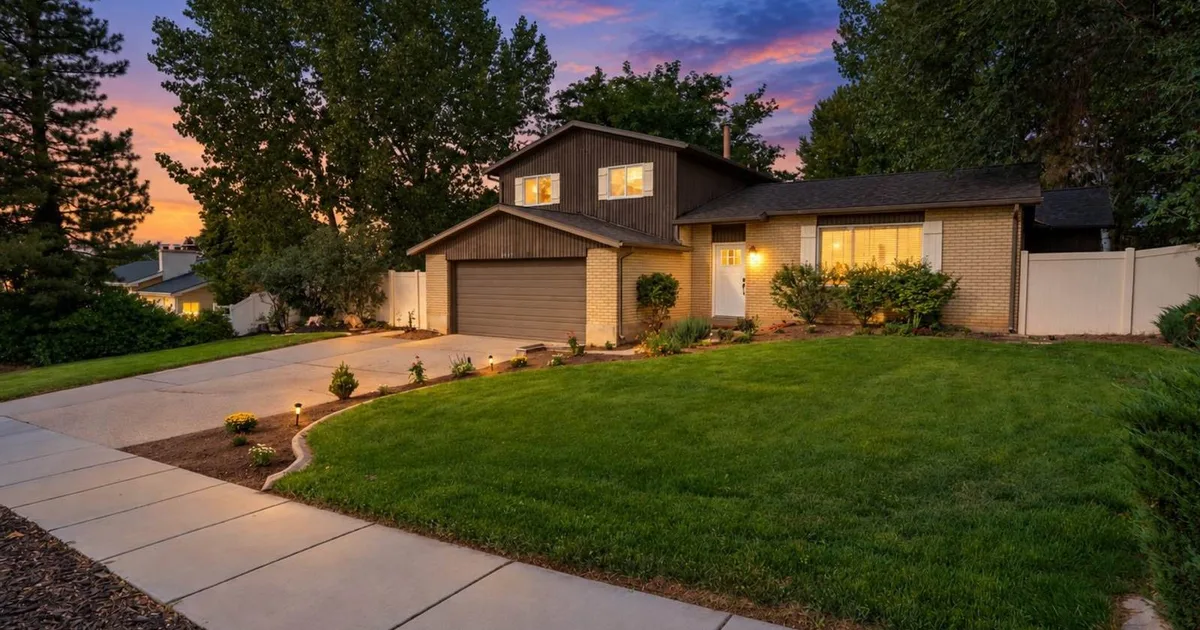
Should you sell or rent an inherited home in Salt Lake County?
Sell if the heirs want cash, do not agree on keeping it, or do not want to be landlords. Rent if everyone agrees, the house is in rentable shape, the numbers work after every cost, and someone is willing to manage it. Both are reasonable. What matters is deciding on purpose instead of letting a vacant house in Salt Lake County sit while taxes, insurance and utilities keep coming due.
Charisse Walker is a real estate agent with Chalker Properties Group in Salt Lake and Davis County, Utah, and a licensed mortgage lender. She works with families settling an estate, and this guide lays out the questions to answer, in order, before you choose.
Who has the authority to decide?
Start here, because nothing else can move until this is clear. If the home went through probate, the court appoints a personal representative who can act for the estate. If the home was in a trust, the successor trustee usually has that role. If the deed already named a beneficiary, the path can be different again.
Until someone has legal authority, you cannot sign a listing agreement or a lease. An estate attorney can tell you where you stand and how long the process should take. Our page on probate and trust sales explains how a sale fits around that timeline.
What do the heirs want the money to do?
This is the question families skip, and it causes most of the conflict later. Talk it through before anyone calls a contractor:
- Does anyone need their share in cash soon?
- Does anyone want to keep the house long term, for income or for family reasons?
- Who would make decisions as a landlord, and who pays when the water heater fails?
- What happens if one heir wants out in two years?
When three siblings own a rental together, every repair and every vacancy is a group decision. If you cannot answer these questions as a family now, renting will get harder, not easier. Some families settle it by having one heir buy out the others at a price based on a current market value.
How do taxes affect selling versus renting?
Taxes are where an inherited home often differs from a home you bought yourself, so this is a question for a CPA before you decide. A few points to raise with them:
- Basis. In many cases, an heir's tax basis is the home's market value around the date of death, not what the original owner paid. That can make a sale soon after inheriting much less taxable than people expect. Ask your CPA how it applies to you.
- Rental income. If you rent the home, the rent is taxable income, and expenses and depreciation come into the picture. Selling later can bring different tax results than selling now.
- Property tax. The property tax picture can change when the home is no longer someone's primary residence. Ask the Salt Lake County Assessor what applies to your situation.
Get a written opinion of value from around the date of death. Your CPA will likely ask for it regardless.
What does it cost to hold the home while you decide?
A house costs money every month whether anyone lives in it or not. List the carrying costs:
- Mortgage payment, if there is a loan. Federal law generally keeps a lender from calling a loan due only because the home passed to a relative after a death, but the payments still have to be made.
- Property taxes and insurance. Many homeowner policies limit coverage when a home sits vacant, so call the insurer and tell them the home's status.
- Utilities, including heat in winter to keep pipes from freezing.
- Yard care and snow removal.
- HOA dues, if any.
Six months of carrying costs is real money taken out of the estate. Put a deadline on the decision.
What does it take to rent the home in Salt Lake County?
Renting means running a small business. Before you choose it, look at what that business requires:
- Condition. An older home may need updates to meet safety standards and attract good tenants: smoke and carbon monoxide detectors, working heat, sound electrical and no leaks.
- City rules. Some cities in Salt Lake County, including Salt Lake City, require a business license or registration for rentals. Check with the city where the home sits.
- Management. Screening, leases, rent collection, repairs and Utah landlord-tenant law. A property manager can handle it for a percentage of the rent.
- Insurance. You need a landlord policy, not the original homeowner policy.
Then run the numbers on what the home would rent for, minus taxes, insurance, repairs, vacancy, management and any loan payment. Our guide on investment property covers how to look at rental math.
What does it take to sell the home?
Selling has its own list, but it ends. You will want a current market value, a plan for the belongings, and a decision on repairs. Inherited homes are often sold with dated finishes, and that is fine. The question is which repairs pay for themselves and which do not.
Your net matters more than the list price. Get an estimate of what the estate would walk away with after payoffs, closing costs and any repairs, and compare that number with what renting would produce over the same years. Timing matters too. A home that sits empty through a Salt Lake County winter needs heat, regular checks and snow removal, so once the belongings are handled, a family that has decided to sell has good reason not to wait for spring by default. Ask what similar homes nearby have been doing before you pick a date. Start with a home valuation, then read our guide on selling your home.
What are the common mistakes families make?
- Waiting without a plan. A vacant house loses money and can pick up problems like frozen pipes or break-ins.
- Renting by default. Keeping a house because no one could agree is different from keeping it as an investment.
- Skipping the CPA. The tax side can change which choice is better.
- Making big repairs before deciding. A rental and a sale often need different work.
- Letting the insurance lapse or stay on the wrong policy.
What does this look like for a typical family?
Here is a typical example, not a real client. Three siblings inherit their mother's home in Salt Lake County. One lives nearby, two live out of state. The nearby sibling is open to renting it out, but would be the one fielding every repair call.
They get a market value from around the date of death and a current one, talk with a CPA, and price out a property manager. Once every cost is on paper, the rental income split three ways looks small next to the work and the risk. They decide to sell, agree on a list price range and a repair budget in writing, and close within a few months. The decision went quickly because they answered the questions in order. Charisse Walker is a real estate agent with Chalker Properties Group in Salt Lake and Davis County, Utah, and a licensed mortgage lender.
Frequently asked questions
Can we rent the home while probate is still open?
Sometimes, with the personal representative's authority and, in some cases, court approval. Ask the estate attorney.
Do we have to fix the house before selling?
No. Many inherited homes sell as-is. The price reflects the condition.
What if one heir wants to keep the house?
They can often buy out the others at a market-based price. Get an independent value so the number is fair to everyone.
How long can we wait to decide?
There is no single deadline, but every month adds carrying costs. Set your own date.
What is the next step?
If you have inherited a home in Salt Lake County, or anywhere in Utah, start with two numbers: what it would sell for and what it would net as a rental. Areas like Salt Lake City and Murray have their own pages if you want local context.
When you are ready to talk it through, contact Charisse here. Your net is our top priority, and we will help your family decide on purpose.