2026-11-11 · 8 min read · Davis County
Got a Low Offer on Your Davis County Home? How to Respond Without Losing the Buyer
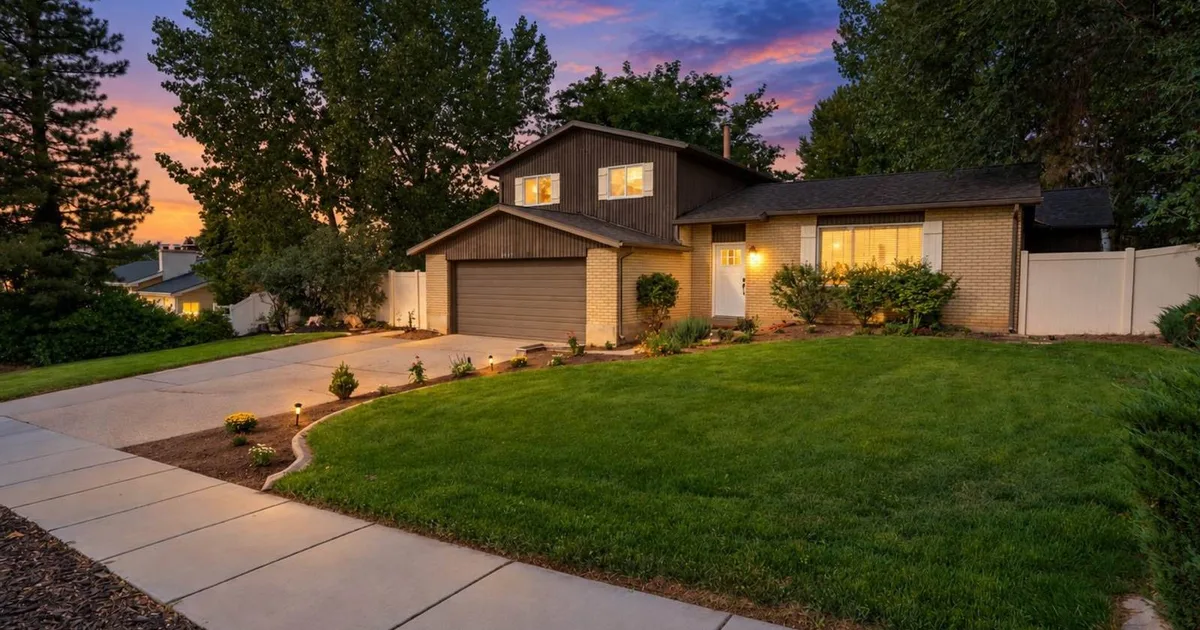
How should you respond to a low offer on your Davis County home?
Respond with a counteroffer, not silence and not a flat no. A low offer means a buyer wants your house and is testing where your floor is. Your counter tells them, in writing, what it will take. Before you write it, look at the whole offer, not only the price, and work out what you would walk away with.
This matters more in Davis County right now than it did a year ago. Homes here have been taking longer to sell, and buyers have more room to negotiate than they did in the faster markets of recent years. Expect more offers that start below asking, and plan how you will answer them.
Charisse Walker is a real estate agent with Chalker Properties Group in Salt Lake and Davis County, Utah, and a licensed mortgage lender. She is a Master Certified Negotiation Expert, and she treats the first offer as the opening of a conversation, not a verdict on your home.
Why do buyers make low offers?
It helps to know what you are answering. Low offers usually come from one of these:
- The buyer's agent sees something in the comparable sales. Recent nearby sales may support a lower number than your list price.
- The home has been on the market a while. Buyers read time on market as room to negotiate.
- The buyer is budgeting for work. An older roof, original windows or a dated kitchen often get priced into the offer.
- The buyer is testing. Some buyers start low on every house to see who says yes.
Ask your agent which one you are dealing with. A buyer reacting to real comparable sales needs a different answer than a buyer fishing.
What should you look at in an offer besides the price?
The price is one line of the offer. These lines can be worth as much:
- Seller concessions. Money you pay toward the buyer's closing costs comes straight out of your net.
- Financing type and down payment. A larger down payment or a cash purchase can mean fewer surprises if the appraisal comes in low.
- Earnest money. A larger deposit usually signals a more committed buyer.
- Due diligence deadline. A shorter window gets you to a firm deal sooner.
- Appraisal terms. Whether the buyer can cancel or renegotiate if the appraisal is below the price.
- Settlement date and possession. A date that matches your move can be worth more to you than a small price change.
A slightly lower price with no concessions and a clean appraisal clause can net you more than a higher price loaded with credits. Compare offers on what reaches you, not on the headline number.
How do you figure out your net before you counter?
Your net is what is left after the loan payoff, commissions, title and closing costs, prorated property taxes, and any concessions or repair credits. Ask your agent for a net sheet on the offer as written, then on the counter you are considering.
Put the two side by side. Seeing the dollar difference in your pocket takes a lot of the emotion out of the decision. A gap that looked large on the price line can be smaller on the net line, or the other way around.
The Utah seller net sheet guide walks through each line so you know what you are reading.
Decide your floor before you counter. Know the lowest net you will accept, and keep it between you and your agent.
How do you write a counteroffer that keeps the buyer talking?
- Answer quickly. A counter within the response deadline shows you are serious. Long silences let buyers keep shopping.
- Move from your list price, even a little. A counter at full asking price on a low offer often reads as "no" and ends the conversation. A move shows good faith.
- Trade, do not only cut. If you come down on price, ask for something back: a shorter due diligence period, fewer concessions, a settlement date that suits you, or a larger earnest money deposit.
- Back up your number. Have your agent send the comparable sales and any recent updates that support your price. Facts move buyers more than firmness does.
- Put everything in writing. In Utah, counters go back and forth on written counteroffer forms. Verbal agreements on price are not binding.
- Leave room for one more round. Most negotiations take two or three counters. Do not use your floor on the first one.
If you are not sure your list price was right to begin with, read how to price your home in Davis County. A low offer is sometimes the market telling you something about the price.
What mistakes do sellers make with low offers?
- Taking it personally. The buyer is not judging how you kept the house. They are testing a number.
- Not responding at all. No answer is the surest way to lose a buyer who might have come up.
- Countering at full price with nothing else. The buyer hears a closed door.
- Giving concessions without counting them. A credit toward closing costs is a price cut with a different name.
- Ignoring a pattern. If several buyers come in at about the same number, the market may be telling you something about the price.
What does responding to a low offer look like for a typical Davis County seller?
Here is a typical example, not a specific client.
A couple in Kaysville is relocating for work. Their home has been listed for several weeks with steady showings. They get an offer well below asking that also asks for a seller credit toward the buyer's closing costs.
Their first reaction is to turn it down. Instead, their agent runs a net sheet on the offer as written and on a possible counter. The counter comes down part of the way on price, drops the closing cost credit, shortens the due diligence period and moves settlement to a date that fits their move.
The buyer comes back with a second counter in the middle. The couple accepts a price a little above that middle number in exchange for keeping the shorter due diligence period. Their final net is close to what they wanted, and they are under contract on their timeline instead of waiting for another buyer who may never come.
Charisse Walker is a real estate agent with Chalker Properties Group in Salt Lake and Davis County, Utah, and a licensed mortgage lender. Her focus in a negotiation like this one is the number you keep, not the number on the sign.
Low offer FAQ
Should I ignore a lowball offer?
No. Counter it. A buyer who started low may still come up, and you lose nothing by answering in writing.
How much should I come down in my counter?
It depends on the comparable sales, your time on market and your net. Your agent should show you the math on two or three options before you pick one.
Can I accept a different offer while I am countering?
It depends on the timing and the terms of your counter. Ask your agent before you sign anything with a second buyer.
Is it better to cut the price or offer a credit?
Both reduce your net. A credit can help a buyer who is short on cash for closing, and the appraisal only has to support the price. Your agent can show you which costs you less.
What if every offer comes in low?
That usually points to the price. A fresh home valuation will tell you whether to adjust.
How can Chalker Properties Group help you negotiate your Davis County sale?
Charisse Walker is a real estate agent with Chalker Properties Group in Salt Lake and Davis County, Utah, and a licensed mortgage lender. She runs the numbers on every offer before you answer it, and she writes counters that protect your net and your timeline.
The home selling guide covers the whole process from pricing to closing.
Holding an offer you are not sure about? Contact Charisse and get a second set of eyes on the numbers before you respond.