2026-11-09 · 8 min read · Davis County
How Do You Get Rid of Mortgage Insurance on a Davis County Home?
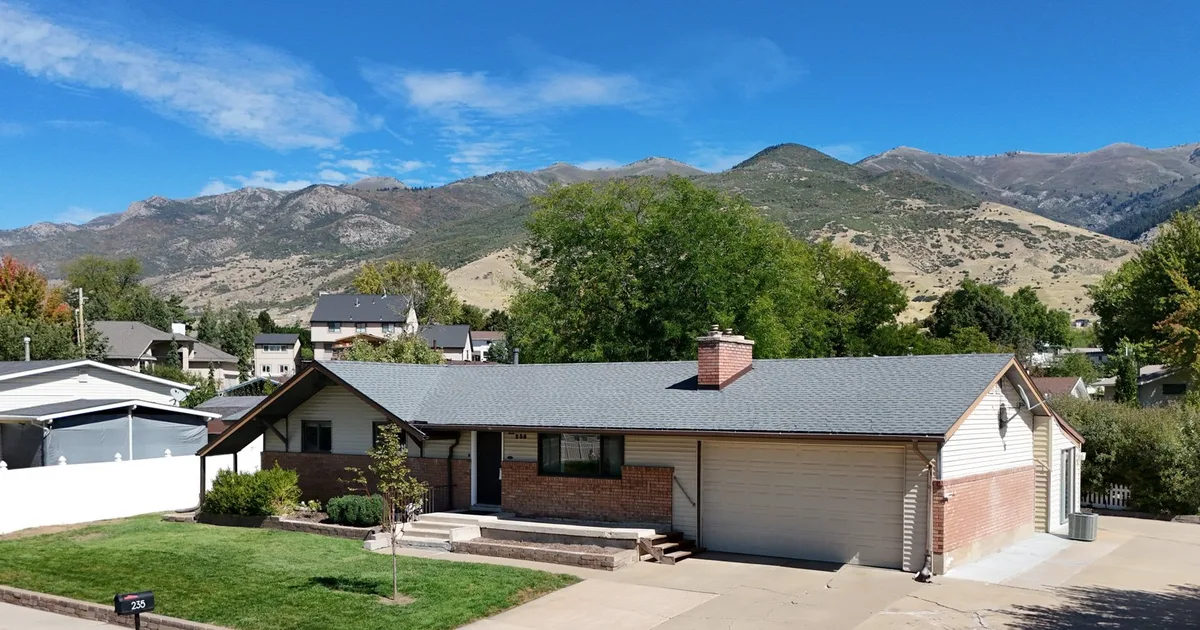
How do you get rid of mortgage insurance on a Davis County home?
How do you get rid of mortgage insurance on a Davis County home? On a conventional loan, you can ask your servicer to cancel private mortgage insurance (PMI) once your balance reaches 80% of the home's original value, and it ends on its own at 78% if you are current on payments. On an FHA loan, the rules are different, and many borrowers have to refinance into a conventional loan to drop it.
Charisse Walker is a real estate agent with Chalker Properties Group in Salt Lake and Davis County, Utah, and a licensed mortgage lender. This is a common question from homeowners in Kaysville, Layton, Farmington and Syracuse who bought with less than 20% down.
This is general education, not loan advice for your situation. Your servicer and your loan documents set the exact rules for your loan.
What is mortgage insurance, and why do you have it?
Mortgage insurance protects the lender if a borrower stops paying. Lenders usually require it when the down payment is under 20%. It is the trade-off that lets buyers purchase with 3%, 3.5% or 5% down instead of waiting years to save 20%.
- Conventional loans use private mortgage insurance, or PMI.
- FHA loans use a mortgage insurance premium, or MIP, with an upfront premium and a monthly premium.
- VA loans have no monthly mortgage insurance. They have a funding fee instead, and some veterans are exempt from it. More in this guide to VA loans in Utah.
When can you remove PMI on a conventional loan?
Federal law gives conventional borrowers a few ways out, all measured against the home's original value. That usually means the lower of your purchase price or the appraised value when you bought.
- Request cancellation at 80%. Once your loan balance reaches 80% of the original value, you can ask in writing for PMI to be removed. You generally need a clean payment history and no second mortgage on the home, and the servicer may ask for proof the home has not lost value.
- Automatic termination at 78%. When your balance is scheduled to reach 78% of the original value, PMI should drop off on its own, as long as you are current.
- Final termination. If neither of those happens first, PMI ends at the midpoint of your loan term, again if you are current.
You can reach 80% sooner by paying extra toward principal. A small extra amount each month moves the date up.
Can a higher home value help you drop PMI sooner?
Often, yes. Many conventional loans allow removal based on the home's current value instead of the original value. The servicer orders a new appraisal or valuation, and if your balance is low enough compared to today's value, PMI can come off. There is usually a minimum time you must have owned the home, and the equity required is often higher in the first few years. Ask your servicer for its rules in writing.
In Davis County, check this with clear eyes. Prices have been softer over the past year, and a home bought near a recent high point may not have gained enough value yet. An appraisal that comes in short is money spent for nothing. Before you order one, look at what similar homes near you have sold for. Our home valuation page is the place to start.
How does FHA mortgage insurance work, and can you remove it?
FHA loans charge an upfront premium, usually rolled into the loan, plus a monthly premium. How long the monthly premium lasts depends on your down payment:
- Less than 10% down. On most FHA loans made since mid-2013, the monthly premium lasts for the life of the loan.
- 10% or more down. The monthly premium generally ends after 11 years.
For most FHA borrowers who put 3.5% down, the practical way to drop mortgage insurance is to refinance into a conventional loan once they have enough equity. Compare the two loan types in FHA or conventional: how buyers can compare them.
When does refinancing to drop mortgage insurance make sense?
A refinance can remove FHA mortgage insurance or PMI in one step. It is also a new loan with new closing costs and a new rate. It tends to make sense when:
- You have at least 20% equity based on a new appraisal, so the new conventional loan has no PMI.
- The new rate is close to or below your current rate. If rates are higher now than when you bought, the extra interest can cost more than the insurance you save.
- You plan to stay long enough for the monthly savings to pay back the closing costs.
- Your credit and income still qualify.
Do the break-even math. Divide the total closing costs by the monthly savings. The answer is how many months it takes to come out ahead.
How do you start, step by step?
- Find your loan type. Your monthly statement or closing disclosure shows whether you pay PMI or FHA MIP.
- Find your original value and current balance. Divide the balance by the original value to see where you stand against 80% and 78%.
- Call your servicer. Ask for its cancellation requirements in writing, including minimum ownership time, payment history rules, and whether it will use original or current value.
- Check your value before paying for an appraisal. Look at recent nearby sales so you know whether a new appraisal is likely to help.
- Send the request in writing. Keep a copy and note the date.
- If you have FHA, run the refinance numbers. A lender can compare your current payment with a conventional refinance, closing costs included.
What mistakes keep homeowners paying mortgage insurance longer than they need to?
- Waiting for it to drop off. Automatic termination at 78% comes later than the 80% request point. Asking can save months of premiums.
- Ordering an appraisal without checking value. If nearby sales have not moved up, the appraisal fee is wasted.
- Refinancing only to drop MIP when rates are higher. Compare the whole payment, principal and interest included, before you decide.
- Late payments. A recent late payment can delay cancellation.
- Taking out a home equity line first. A second loan on the home can block PMI cancellation. If you plan to do both, talk to a lender about the order.
What does this look like for a typical Davis County homeowner?
Here is a typical example, not a specific client. A couple bought a home in Kaysville a few years ago with 5% down on a conventional loan. They have made every payment on time and added a little extra principal most months. Their balance is now close to 80% of what they paid.
They do not wait for PMI to drop off on its own. They call their servicer, confirm the requirements and send a written request. The servicer asks for a valuation to confirm the home has not lost value. Once that comes back, PMI comes off and their monthly payment goes down.
A neighbor with an FHA loan and 3.5% down has a different path. Their monthly premium will not end on its own, so they ask a lender to compare a conventional refinance with their current payment. If the new rate would be higher than the one they have, they may be better off keeping the FHA loan for now and checking again later. For more on the city, see the Kaysville area page.
Who can help you sort out mortgage insurance in Davis County?
Charisse Walker is a real estate agent with Chalker Properties Group in Salt Lake and Davis County, Utah, and a licensed mortgage lender. I can look at your loan type, your balance and what nearby homes have sold for, and tell you plainly whether a written request, a new valuation or a refinance is the right next move.
If you are still shopping, your down payment choice decides which mortgage insurance rules you will live with. Start with our first-time buyer guide.
What do Davis County homeowners ask most about mortgage insurance?
Will my servicer remove PMI automatically?
Will your servicer remove PMI on its own? Yes, when your balance is scheduled to reach 78% of the original value and you are current. At 80%, you have to ask.
How much does PMI cost?
How much does PMI cost? It depends on your credit score, down payment and loan amount. Your closing disclosure and monthly statement show what you pay.
Do home improvements help me drop PMI?
Do improvements help you drop PMI? They can, if a new appraisal reflects the added value and your servicer accepts current value for cancellation. Ask before you order the appraisal.
Does putting 20% down avoid mortgage insurance?
Does 20% down avoid mortgage insurance? On a conventional loan, yes. FHA loans charge mortgage insurance no matter how much you put down.
Does a VA loan have mortgage insurance?
Does a VA loan have mortgage insurance? No monthly mortgage insurance. Most borrowers pay a one-time funding fee, and some veterans are exempt.
What is the next step for your Davis County mortgage?
If you are paying mortgage insurance and want to know how close you are to dropping it, send me your loan type and the year you bought. I will tell you which path fits and what it is likely to save. Contact Charisse here.
Charisse Walker, NMLS #2118149, is a mortgage loan originator with Morty, Inc., a licensed mortgage broker, NMLS #1429243. All loans are funded by third-party lenders. Equal Housing Opportunity.