2026-11-09 · 8 min read · Davis County
What Should Davis County Buyers Check Before Buying a Home on a Hillside or Slope?
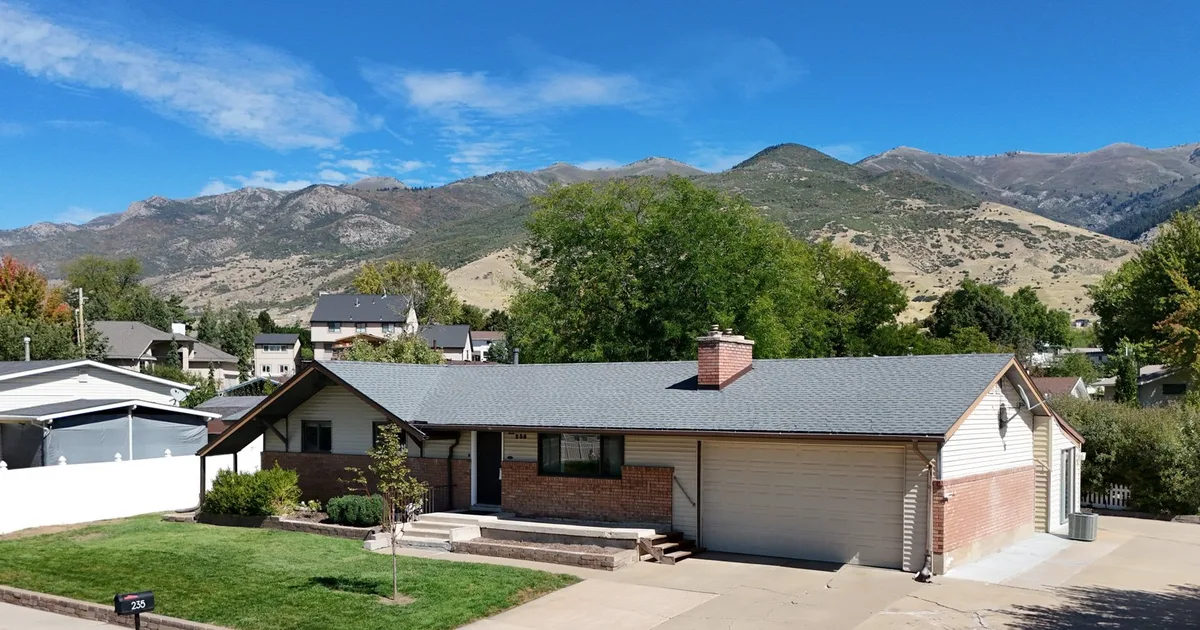
What should Davis County buyers check before buying a home on a hillside or slope?
What should Davis County buyers check before buying a home on a hillside or slope? Check four things: how water moves across and away from the lot, what the soil underneath is made of, the condition of any retaining walls, and what the local hazard maps say about the site. Do those checks during your due diligence period, before your deadline passes.
Charisse Walker is a real estate agent with Chalker Properties Group in Salt Lake and Davis County, Utah, and a licensed mortgage lender. Davis County runs along the base of the Wasatch Mountains, so a lot with a grade is common here. A slope is not a defect. It does change what a careful buyer looks at.
Why do slope lots need extra attention?
On a flat lot, water mostly sits or soaks in. On a slope, water travels. It moves across the surface, along the foundation, and through the soil. If the grading, gutters and drains send that water away from the house, the home does well. If they do not, the water goes where it can, and that is often toward a foundation wall, a window well or a basement floor.
The ground itself can also move slowly. Soil on a hillside can creep, settle or shift, especially after heavy moisture. A small amount of movement is normal in many places. A pattern of cracks, doors that stick, and walls that lean tells you something is happening that needs a closer look.
None of this means you should skip a hillside home. It means you should treat the lot as part of the inspection, not only the house.
How do you tell where the water goes?
You can learn a lot in an hour on the property, ideally after a rain or snowmelt.
- Walk the uphill side. Is there a swale, a ditch or a drain that moves water around the house? Or does the ground simply tilt toward the foundation?
- Look at the downspouts. They should empty well away from the house, not at the foundation.
- Check the window wells. Staining, standing water or debris suggests water is collecting.
- Look in the basement or crawl space. Efflorescence, which looks like a white powder on concrete, and water staining point to moisture finding its way in.
- Ask the neighbors' fence line and yard. Water from a higher lot can run onto yours. Ask the seller whether there is a shared drainage arrangement.
Your general inspector will note grading and visible moisture. If something looks wrong, ask for a drainage contractor to come out.
What about the soil and the foundation?
Some soils expand and contract with moisture, and slopes add the pull of gravity. A structural engineer can look at a foundation and tell you if cracking is cosmetic or a sign of movement. A geotechnical report, where one exists, describes the soil conditions the home was built on.
Ask the seller and the listing agent whether the home was built under a geotechnical report and whether the seller has a copy. For newer homes, the builder or the city may have one on file. Ask about it directly. Many hillside lots in Utah have required one at some point, but do not assume it is available.
Look at the foundation for horizontal cracks, stair-step cracks in brick, and gaps where the wall meets the floor. Check that interior doors close and windows open. These are clues, not a diagnosis. An engineer's letter is the diagnosis.
How do you evaluate a retaining wall?
Retaining walls hold back soil, and they are often one of the most expensive items on a sloped property. Look at them like this:
- Is the wall leaning, bowing or cracked?
- Are there weep holes or a drain behind it, so water does not build pressure?
- What is it built from: timber, block, poured concrete, or stacked stone? Each ages differently, and timber walls tend to have shorter lives.
- How tall is it? A tall wall may have required a permit and an engineer. Ask the seller whether it was permitted and who built it.
A failing retaining wall can be costly to rebuild, and it can affect the neighboring lot too. If the wall is part of your property line, find out who is responsible for it.
What do the hazard maps say?
The Utah Geological Survey publishes geologic hazard information, including mapped areas for landslides, and cities and counties may add their own requirements for building near steep ground and fault lines. These maps are public. Look up the address before you spend money on inspections, and ask the city planning or building department whether the lot falls in a special study area.
Foothill areas can also face wildfire risk and debris flows after a fire. Ask your insurance agent what is available for the address and what it costs before you commit. Coverage and price vary by property, and you want the quote in hand early, not the week before closing.
I am not a geologist or an engineer. My job is to help you ask the right questions and line up the professionals who can answer them.
What is the step-by-step plan?
- Pull the seller disclosure and read what it says about drainage, water in the basement, cracking and prior repairs.
- Look up the address on hazard maps and ask the city whether any special study area applies.
- Visit the property after wet weather if you can, and walk the uphill side.
- Order the general inspection, and tell the inspector you want special attention on grading and drainage.
- If anything is flagged, bring in a structural engineer or drainage contractor and get a written opinion.
- Get an insurance quote for the exact address.
- Use your due diligence deadline to ask for repairs, a credit, a price change, or to walk away.
What mistakes do buyers make with hillside homes?
- Falling for the view and skipping the lot. The view is real. So is the water.
- Assuming a recent repaint means nothing is wrong. Fresh paint can cover water stains. Look at the foundation and the basement walls, not only the surface.
- Ignoring the neighbors' lots above you. Their drainage becomes your drainage.
- Waiting to get an insurance quote. A surprise on coverage late in the process leaves you little room.
- Treating every crack as a disaster. Hairline cracks in poured concrete are common. A professional can tell you which ones matter.
What does this look like for a typical Davis County buyer?
Here is a typical example, not a specific client. A buyer falls for a home on a foothill street with a long view and a terraced backyard. The inspection report notes a leaning timber retaining wall at the back of the yard and efflorescence on one basement wall.
The buyer brings in a structural engineer and a drainage contractor. The engineer says the foundation is sound. The contractor says the retaining wall has no drain behind it and quotes the cost to rebuild it. With written estimates, the buyer asks the seller for a credit for the wall and a repair to the downspout drainage. The seller agrees to the drainage repair and part of the credit, and the buyer moves forward knowing exactly what the wall will cost.
What do Davis County buyers ask most about slope lots?
Is a hillside home harder to insure? It can be, depending on the address and the carrier. Get a quote early.
Will a lender treat a hillside home differently? The appraiser will consider the property's condition, including a failing retaining wall or visible drainage problems. Ask your lender if anything about the lot could affect the appraisal.
Do I need a separate inspection? A general inspection is a start. A structural engineer or drainage specialist adds detail when the general inspection flags a concern.
Is a steep driveway a problem in winter? It can be harder to clear. Visit in poor weather if you can, and ask the seller how snow is handled.
What is the next step if you are buying in Davis County?
If you are looking at a home on a slope and want help sorting out which questions to ask and who to hire, send me the address. I will help you build the due diligence plan before your deadline starts. Contact Charisse here.