2026-11-10 · 8 min read · Davis County
Easements, Fences and Property Lines: What Should Davis County Buyers Verify Before Making an Offer?
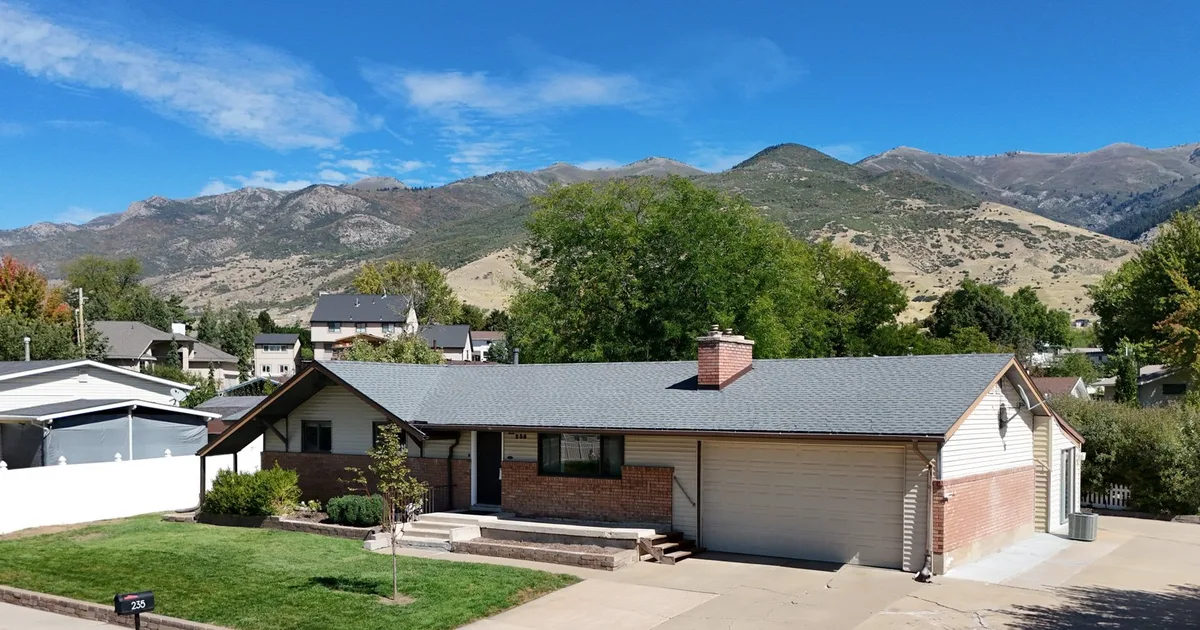
What should Davis County buyers verify about easements and property lines?
Verify three things: what the recorded documents say about easements, where the legal boundary sits compared with the fences and landscaping, and whether any driveway, utility line or access is shared with a neighbor. The listing photos show you what is there. Only the title report and, when needed, a survey show you what is legally yours.
Charisse Walker is a real estate agent with Chalker Properties Group in Salt Lake and Davis County, Utah, and a licensed mortgage lender. Buyers touring Davis County lots, from older streets in Bountiful to newer subdivisions in Syracuse and Farmington, often assume the fence marks the line. Sometimes it does not.
This is general education, not legal advice. A real estate attorney or your title company should answer questions about a particular property.
What is an easement, and why does it matter to a buyer?
An easement is a legal right for someone else to use part of a property for a specific purpose. The owner still owns the land, but cannot block that use.
Common examples on residential lots:
- Utility easements. Strips along lot lines or the back of the lot where power, gas, water, sewer or communications lines run.
- Access easements. A shared driveway or a path that lets a neighbor reach their own property.
- Drainage easements. Areas set aside to carry stormwater.
- Irrigation easements. Ditches or pipes that serve more than one property.
Most are routine and cause no trouble. They matter when you want to build a shed, pour a patio, plant trees, put in a pool or extend a fence. A structure placed over an easement can be ordered removed at the owner's cost.
How do you find out what easements affect a home?
Start with the title commitment, sometimes called a preliminary title report. Your title company prepares it after your offer is accepted, and it lists recorded easements, liens and restrictions that affect the property. Read it, and ask your agent or the title officer to explain every item you do not understand.
Then look at the recorded subdivision plat, which shows lot lines and the easements drawn on them. Your title company can often provide a copy. Finally, walk the lot and compare what you see to what the paper says.
Do this inside your due diligence window, not after it. Our guide to the Utah purchase contract explains how those deadlines work, and a missed deadline can cost you the right to object.
Is the fence the property line?
Not necessarily. Fences are often built a little off the line, sometimes decades ago and by someone other than the current owner. A fence can sit a few inches inside the lot, or several feet outside it.
Utah law has doctrines that can treat a long-standing fence as the practical boundary in certain situations, which is why a casual guess can leave you with a surprise. Whether a particular fence qualifies is a legal question for an attorney, not something to assume.
What you can do is compare. Look at the plat, look for survey pins or markers at the corners, and notice whether trees, sheds, sprinklers or a neighbor's driveway cross the line you expect. If something looks off, ask.
When is a survey worth ordering?
A survey is a licensed surveyor's measured drawing of the lot, with the boundaries, the buildings and the easements shown. It costs money and takes time, so it is not for every purchase. It is worth considering when:
- A fence, shed, garage or addition sits close to the apparent line.
- The lot is irregular, on a slope, or at the end of a shared lane.
- You plan to build, add on, install a pool or put in an accessory structure.
- The neighbor mentions a disagreement about the line.
- The title commitment lists an easement and the location is unclear.
Ask the title company whether any older survey exists. An existing one may help, though it may not show later changes. A new one is the most reliable answer, and the cost is small next to a boundary dispute.
What about shared driveways and private roads?
A shared driveway can work well for decades, as long as the paper matches how everyone uses it. Ask these questions:
- Is there a recorded easement that gives your lot the right to use the shared portion?
- Who maintains it, and who pays for snow removal, repairs and repaving?
- Is there a written maintenance agreement, or only a handshake?
- What happens if a neighbor sells or stops cooperating?
A private road is similar. Find out whether it is maintained by an association or by the owners informally. If there is an association, read its documents. A home that depends on a neighbor's goodwill for access carries more risk than one with a written right to use the shared section.
What should you do if you find a problem?
Do not panic. Many findings have a clean fix, and the earlier you raise them, the more options you have.
- Object in writing. Raise the issue with your agent so it is documented within your due diligence deadline.
- Ask the seller to resolve it. A recorded fix, a boundary line agreement with the neighbor, or removing an encroaching structure may be possible.
- Negotiate. A price adjustment or credit may make sense if the issue is minor.
- Walk away. If the problem is serious and the seller will not address it, you may have the right to cancel under the contract. Check the terms with your agent.
- Ask an attorney. For anything involving ownership rights, get legal advice.
What does this look like for a typical Davis County buyer?
Here is a typical example, not a specific client.
A buyer is under contract on a home in Farmington with a detached garage near the back corner of the lot. The title commitment lists a utility easement along the rear line. The buyer notices the garage seems close to it and asks the title officer for the plat.
The plat shows the easement is ten feet wide, and the garage appears to sit partly inside it. The buyer orders a survey, which confirms it. The seller's agent contacts the utility, which provides a written statement that it has no plans to use that portion.
The buyer decides to proceed with that letter in the file, and asks the title company whether it affects insurance. The buyer closes knowing exactly what is there, with a document to pass along if the home ever sells again.
What questions should you ask the seller about the lot?
The seller has lived with the lot and often knows things no document shows. Ask your agent to put these questions to the seller's side early:
- Have you ever had a survey done, and do you have a copy?
- Who built the fences, and do you know where they sit compared with the lot lines?
- Has any neighbor ever raised a question about the boundary, a shared driveway or a tree?
- Does anyone besides you use any part of the yard, driveway or an access path?
- Have you added a shed, patio, garage or addition, and was it permitted?
- Do utility crews ever need to enter the yard?
Written answers are better than verbal ones. The seller's disclosure may cover some of this, and what the seller says in writing becomes part of the record. If an answer surprises you, follow it with the title report and the plat.
Easements and property lines FAQ
These are short answers. A title officer or attorney can answer for your lot.
Can a neighbor's fence be on my side of the line?
Yes, it happens. Do not assume anything until you compare the plat or a survey with the fence.
Can I build over a utility easement?
Usually not without permission, and the utility may have the right to remove what is built there. Ask before you plan anything.
Does title insurance cover boundary problems?
Standard policies have exceptions, and a survey can change what is covered. Ask your title company what applies to your policy.
Who pays for a survey?
Usually the buyer, though it can be negotiated. Ask your agent to include it in the offer if you want it.
How long does a survey take?
It depends on the surveyor's schedule and the weather, so order early inside your due diligence window.
How can Chalker Properties Group help you buy in Davis County?
Charisse Walker is a real estate agent with Chalker Properties Group in Salt Lake and Davis County, Utah, and a licensed mortgage lender. She reads the title documents with her buyers, so the items on page three of the report are explained before the deadline passes.
The buying a home guide walks through every step, and the Farmington page shows what homes in that city look like.
Thinking about a Davis County home? Contact Charisse to talk through what to verify before you make your offer.