2026-11-13 · 7 min read · Davis County
How Do You Compare Loan Estimates From Two Lenders When You Buy in Davis County?
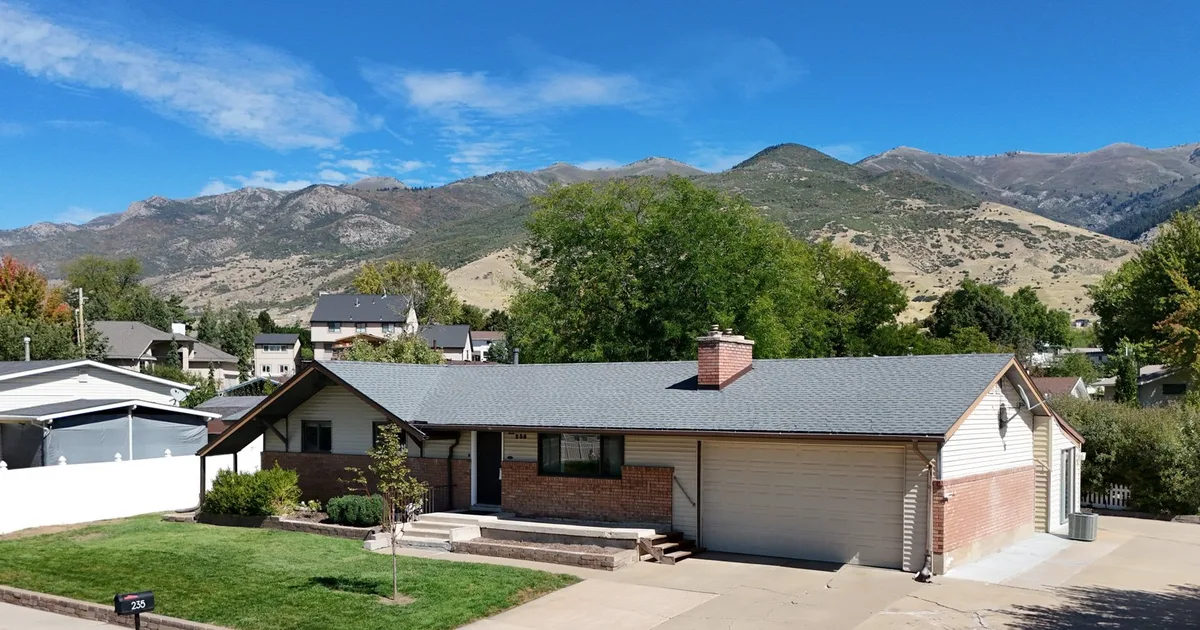
How do you compare Loan Estimates from two lenders when you buy in Davis County?
How do you compare Loan Estimates from two lenders when you're buying a home in Davis County? Make sure both are for the same loan on the same day, then compare four things: the interest rate, the points, the lender's own fees in Section A, and the totals on page 3. Most of the rest of the form is estimates of costs that will be about the same no matter which lender you pick.
Charisse Walker is a real estate agent with Chalker Properties Group in Salt Lake and Davis County, Utah, and a licensed mortgage lender. On a deal where she is your agent, your loan belongs to your lender and she is not your loan officer. Her lending background means she knows which lines on a Loan Estimate are worth a question.
The good news is that the form is standard. Every lender uses the same three pages in the same order, so you can lay two side by side.
What is a Loan Estimate?
A Loan Estimate is a three-page form that federal rules require a lender to give you within three business days after you apply for a mortgage. It shows the loan terms, your estimated monthly payment and your estimated costs to close.
Before closing, you get a Closing Disclosure, at least three business days before you sign. It uses the same layout, so you can check it against your Loan Estimate line by line.
A pre-approval letter is not a Loan Estimate. If you only have letters from two lenders, you don't have enough to compare costs yet. The guide on getting pre-approved in Utah covers what to bring.
How do you make sure you're comparing the same loan?
Two Loan Estimates are only useful side by side if the inputs match. Before you compare, check page 1 on both for these:
- Loan type. Conventional, FHA, VA or USDA. Each has different costs and insurance.
- Loan term. 30 years against 30 years, not 30 against 15.
- Purchase price and loan amount. Same price, same down payment.
- Fixed or adjustable. Same product.
- Rate lock. Page 1 shows whether the rate is locked and until when. A locked rate and a floating rate aren't the same offer.
- Date. Rates move daily. Estimates issued on different days can differ because of the market, not the lender.
If anything on that list is different, ask the lender for a new estimate that matches. It's a normal request.
Which lines on the Loan Estimate should you compare, step by step?
- Interest rate and monthly principal and interest (page 1). The rate drives your payment for as long as you keep the loan.
- Points (page 2, Section A). Points are a fee you pay upfront to lower the rate, shown as a percentage of the loan amount. A lower rate with points and a higher rate without points are two different offers. Compare the rate and the points together.
- Origination charges (Section A). These are the lender's own fees: application, underwriting, processing. This is where lenders differ most, and these fees can't go up later unless something changes, like your loan amount or an expired lock.
- Lender credits (page 2, Section J). Some lenders offer a credit toward closing costs in exchange for a slightly higher rate. A credit lowers your cash to close but raises your payment.
- Cash to close (page 1 and page 2). The total you bring to closing, including your down payment.
- The 5-year totals (page 3, Comparisons). This box shows what you'll have paid in principal, interest, mortgage insurance and loan costs over the first five years, and how much principal you'll have paid off. It's the fastest single line for comparing two offers.
- APR (page 3). The annual percentage rate folds certain costs into a yearly rate. Use it as a cross-check. It's most useful when the loan amounts and terms match.
Which costs on a Loan Estimate are about the same at every lender?
Much of page 2 is estimates of costs that don't belong to the lender. These differ between estimates because lenders guess differently, not because one lender is cheaper.
- Section E, taxes and government fees. Recording fees are set by the county.
- Section F, prepaids. Homeowners insurance and prepaid interest. These depend on your policy and your closing date.
- Section G, initial escrow payment. A cushion for property taxes and insurance. In Utah, where property taxes are paid once a year in November, this number depends a lot on when you close.
- Section C, services you can shop for. Title and settlement fees. You can pick your own provider, and the lender has to give you a list.
If one lender's cash to close looks much lower, check whether they estimated these sections lower. A low guess there doesn't save you money at closing. For the full picture, see Utah buyer closing costs.
What mistakes do Davis County buyers make when comparing lenders?
Comparing a pre-approval letter to a Loan Estimate. A letter shows you qualify. It doesn't show costs.
Picking the lowest rate without looking at points. A low rate bought with two points may cost more over the years you keep the loan.
Judging by cash to close alone. A lender credit can make cash to close lower and the monthly payment higher.
Comparing estimates from different days. The market moved, not the lender.
Waiting until you're under contract to shop. Once your contract clock starts, you have less time to switch lenders without risking your deadlines. Shop while you're getting pre-approved.
Worrying that shopping will hurt your credit. Credit scoring models generally treat several mortgage credit checks in a short window as one. Shop within a few weeks and it shouldn't add up.
What does this look like for a typical Davis County buyer?
Here is a typical example, not a specific client. A first-time buyer looking in Kaysville and Farmington applies with two lenders on the same morning for the same 30-year conventional loan with the same down payment.
Lender one shows a lower rate. Lender two shows a rate that's a bit higher. At first lender one looks like the clear choice. Then the buyer checks Section A. Lender one's lower rate includes one point, paid upfront. Lender two's estimate has no points and lower origination fees.
The buyer turns to page 3 and compares the 5-year totals. Lender one comes out ahead only if they keep the loan well past five years. Since the buyer expects to move up to a bigger home in a few years, they go with lender two. They also notice lender two estimated a lower title fee, so they ask both lenders for the title company each one used. That gap was a guess, not a real saving.
Loan Estimate FAQ for Davis County buyers
How many lenders should I get Loan Estimates from?
How many Loan Estimates should you get? Two or three is enough to see where the offers fall.
Does a Loan Estimate commit me to that lender?
Does getting a Loan Estimate lock you in? No. You decide whether to move forward.
Can the costs change after the Loan Estimate?
Can Loan Estimate costs change? Some can, within limits. The lender's own fees in Section A generally can't increase unless something about your loan or situation changes.
Should I ask a lender to match another lender's offer?
Can you ask a lender to match a better offer? Yes. Show them the competing Loan Estimate. Some will adjust their fees or rate.
What if my Closing Disclosure doesn't match?
What if the Closing Disclosure is different from your Loan Estimate? Compare them line by line and ask your lender to explain every change before you sign.
How can Chalker Properties Group help you buy in Davis County?
Charisse Walker is a real estate agent with Chalker Properties Group in Salt Lake and Davis County, Utah, and a licensed mortgage lender. When she's your agent, she builds the lender timeline into your contract deadlines and makes sure your loan is on track before each one comes due.
If this is your first home, the first-time buyer page covers the steps. The guide to Utah first-time homebuyer loan programs explains the options, and the Kaysville area page compares the area on commute and price.
Getting ready to buy in Davis County? Tell Charisse where you are in the process and she'll map out your next steps.
Charisse Walker, NMLS #2118149, is a mortgage loan originator with Morty, Inc., a licensed mortgage broker, NMLS #1429243. All loans are funded by third-party lenders. Equal Housing Opportunity.