2026-11-11 · 8 min read · Salt Lake County
Can You Buy a Salt Lake County Home With a Friend or Relative? How Co-Buying Works
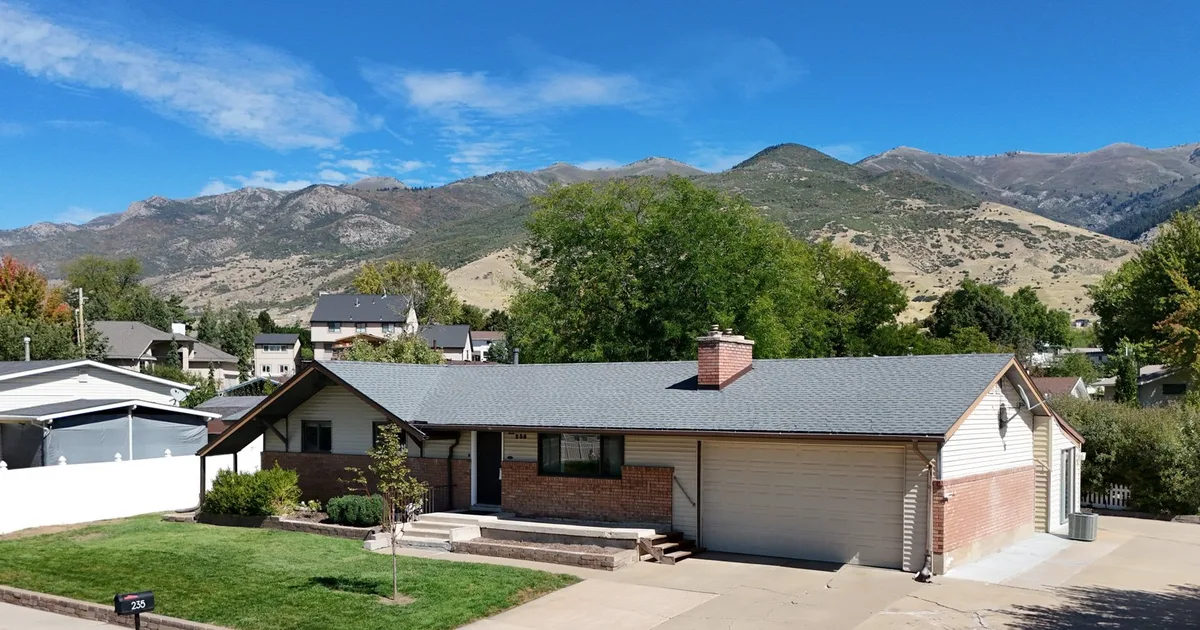
Can you buy a Salt Lake County home with a friend or relative?
Yes. Two or more people who are not married can buy a home together in Salt Lake County, and plenty do: siblings, a parent and an adult child, two friends who are tired of paying separate rents. You can apply for the mortgage together, put both names on the title, and split the costs any way you agree to.
The purchase itself works like any other. What makes co-buying different is everything around it: how the lender looks at two applications, how you hold title, and what happens when one of you wants to sell and the other does not. Settle those before you write an offer, not after.
Charisse Walker is a real estate agent with Chalker Properties Group in Salt Lake and Davis County, Utah, and a licensed mortgage lender. She walks co-buyers through the parts of this that are easy to skip when everyone is excited about the house.
How does a lender look at two buyers on one loan?
When you apply together, the lender looks at both of you. That cuts both ways.
- Income adds up. Two incomes can help you qualify for more than either of you could alone.
- Debts add up too. Car payments, student loans and credit card minimums for both of you count against the combined income.
- Credit matters for both. Many loan programs price the loan off the lower score in the pair, so one weaker credit file can raise the rate for both of you.
- Each of you owes the whole payment. If one person stops paying, the lender can look to the other for the full amount, not half.
That last point is the one people underestimate. Your agreement with each other can say you split the payment 50/50. The lender is not part of that agreement.
Talk to a lender together early. Ask them to show you the numbers both ways: both of you on the loan, and one of you alone if that is possible. The guide on getting pre-approved in Utah covers what to gather before that call.
How should co-buyers hold title on a Utah home?
The title decides who owns what and what happens to each share if one owner dies. The two forms co-buyers usually choose between are these:
- Tenants in common. Each of you owns a share, and the shares do not have to be equal. You could own 60 percent and your brother 40 percent if that matches what you each put in. When one owner dies, their share goes to their heirs or under their will, not automatically to the other owner.
- Joint tenancy with right of survivorship. You own the home together in equal shares. When one owner dies, the other owner gets the whole property without it passing through that person's estate.
In Utah, when a deed names two or more people and does not say otherwise, they generally hold title as tenants in common. If you want something different, the deed has to say so.
Neither choice is right for everyone. A parent and child may want survivorship. Two friends who put in different amounts often want tenancy in common with unequal shares. This is a legal decision with estate and tax effects, so ask a Utah real estate attorney and the title company before closing, while the deed can still be written the way you want it.
What should co-buyers put in writing before closing?
A co-ownership agreement is a separate contract between the buyers. The lender does not require it. You should have one anyway. Have an attorney draft or review it, and cover at least these points:
- Who paid what at closing. Down payment, closing costs and any repairs before move-in.
- Who pays what each month. Mortgage, property taxes, insurance, HOA dues and utilities.
- How repairs get decided and paid for. A water heater is one thing. A new roof is another.
- What happens if someone cannot pay. How long the other owner covers it, and whether that becomes a loan or a bigger share.
- How one owner gets out. A buyout formula, how the value gets set, and how long the remaining owner has to refinance or come up with the money.
- What happens if you both want out. How you list, who picks the price, and how the proceeds get split.
- What happens if someone marries, moves or dies. Whether a new spouse can move in, and whether heirs can force a sale.
Without an agreement, a disagreement between co-owners can end up in a court-ordered sale. That is slow, expensive and usually leaves both of you with less.
What are the steps to co-buy a home in Salt Lake County?
- Talk about money plainly. Share credit scores, debts, savings and how long each of you plans to stay. Find the dealbreakers now.
- Get pre-approved together. Ask the lender how each person's credit and debts affect the rate and the payment.
- Agree on the budget and the house. Bedrooms, a separate living area, parking, commute. Two people often need more separation than one household does.
- Draft the co-ownership agreement. Start it while you shop, so it is signed before closing.
- Write the offer with both names. Both buyers sign the purchase contract and both put up earnest money as agreed.
- Decide on title with the title company. Confirm how the deed will read before closing day.
- Close and keep records. Save the settlement statement. It shows who paid what, which matters later if you ever sell or buy one another out.
Layouts matter more for co-buyers. Homes in parts of the county like Murray and Salt Lake City include older houses with finished basements that can work as two separate living spaces. If a basement has its own kitchen or entrance, check how it was permitted before you count on it.
What are the most common co-buying mistakes?
- No written agreement. Friendly arrangements get tested the first time a big repair comes up or someone gets a job offer out of state.
- Assuming equal ownership when contributions are not equal. If one person put in most of the down payment, the title and the agreement should reflect it.
- Ignoring the weaker credit file. Fixing a score before applying can lower the rate for both of you.
- No exit plan. Most co-ownerships end someday. Decide how before you have a reason to argue about it.
- Forgetting that the remaining owner may need to refinance. Removing a person from the loan usually means a new loan in the other person's name alone, and that person has to qualify on their own income.
What does co-buying look like for a typical Salt Lake County buyer?
Here is a typical example, not a specific client.
Two sisters in their late twenties each rent apartments in Salt Lake City. Neither qualifies for the home she wants on one income. Together they qualify for a house with a finished basement, so each has her own floor.
One sister has more saved, so she puts in more of the down payment. They take title as tenants in common with unequal shares that match what each paid. Their agreement says they split the monthly costs evenly, and any repair over an amount they set gets decided together.
They also agree on the exit: if one wants out, the other gets the first chance to buy her share at a value set by an appraisal, and has a set number of days to refinance. If she cannot, they list the house and split the proceeds by their shares after paying off the loan.
Three years later, one sister takes a job out of state. Nobody argues about what happens next, because they wrote it down before they moved in.
Charisse Walker is a real estate agent with Chalker Properties Group in Salt Lake and Davis County, Utah, and a licensed mortgage lender. When co-buyers meet with her, the first conversation is about the exit plan, because that is the part that protects the relationship.
Co-buying FAQ
Do both co-buyers have to be on the mortgage?
No. One person can take the loan while both are on the title, if the lender allows it. The person on the loan then carries the debt alone, which needs to be addressed in your agreement.
Can co-buyers own unequal shares?
Yes. Tenants in common can hold any split you agree on, such as 70/30. The deed should state it.
What happens if a co-owner stops paying?
The lender can collect the full payment from either borrower. Your co-ownership agreement decides how you settle it between yourselves.
Can one co-owner force a sale?
Without an agreement that says otherwise, a co-owner can ask a court to order a sale. A written buyout plan helps you avoid that.
Is co-buying only for first-time buyers?
No. Parents buying with adult children, friends buying a second home, and relatives buying a rental all use the same structure. The first-time buyer guide covers the parts of the process that are new to most people.
How can Chalker Properties Group help you co-buy in Salt Lake County?
Charisse Walker is a real estate agent with Chalker Properties Group in Salt Lake and Davis County, Utah, and a licensed mortgage lender. Her job is to help you find a home that works for two households, write an offer that protects both of you, and make sure the title and loan questions get answered before closing day, not after.
Start with the home buying guide, then check how much house you can afford in Utah with both incomes in the math.
Thinking about buying with a friend or relative? Contact Charisse and bring both people to the first conversation.