2026-11-17 · 5 min read · Davis County
Closing Day for Davis County Sellers: What Happens in the Last Few Days Before You Hand Over the Keys?
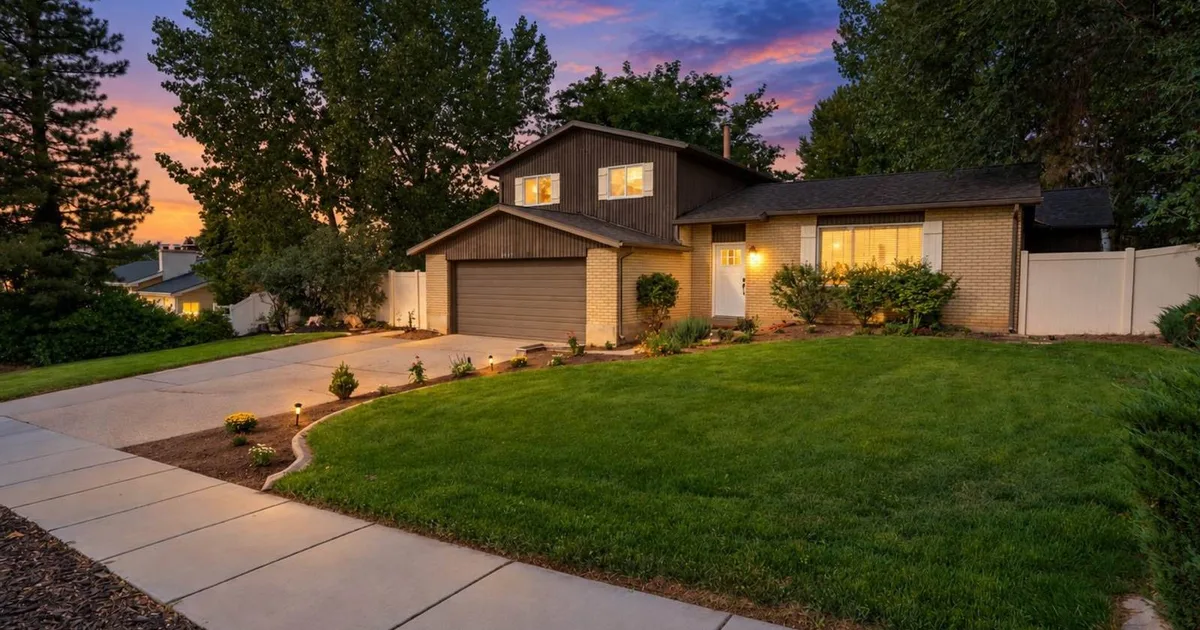
What does a seller do in the last days before closing in Davis County?
You finish the checklist: make the agreed repairs, clean and empty the home, sign the closing documents with the title company, cancel or transfer your utilities and hand over keys when the sale is recorded. The details come from your purchase contract and your title company, so follow their instructions over any general article, this one included.
Most of the stress at the end of a sale comes from tasks nobody told the seller about. Charisse Walker is a real estate agent with Chalker Properties Group in Salt Lake and Davis County, Utah, and a licensed mortgage lender. This guide lists them in the order they usually come, so you can plan the week instead of reacting to it.
What should you do about a week before closing?
Start with the items that take the longest.
- Confirm the closing date and time with your agent and the title company.
- Confirm the possession date in your contract. Possession can be at closing or on another date you agreed to.
- Finish agreed repairs and keep the receipts and any warranty paperwork.
- Book movers and, if needed, a place to store belongings.
- Gather what the buyer expects to receive: keys, garage door openers, remotes, manuals and codes.
- Ask the title company what to bring, including identification.
- Locate your payoff information. Your lender provides the payoff amount to the title company, but you should know who to call if there is a question.
- Plan your utilities. Call each provider and schedule shut-off or transfer for the possession date.
A short list on the refrigerator keeps the week calm. For the bigger picture, see what happens at closing in Utah.
What is the buyer's final walk-through, and what does it mean for you?
The buyer usually gets a final look at the home shortly before closing. The goal is to confirm that the home is in the condition the contract describes, that agreed repairs are done and that nothing included in the sale is missing.
To prepare, empty the home and clean it. Leave the items the contract says stay. Put the manuals, remotes and keys in an obvious place. Turn the utilities on so the buyer can test lights, faucets and the furnace. Fix what you promised to fix and show the receipts. If something has changed since the inspection, tell your agent so the buyer is not surprised.
If the buyer finds an issue, your agent will talk with theirs. Small items are usually settled quickly. Larger items can delay closing, which is why finishing repairs early helps. If you want the condition questions in more detail, how to negotiate repairs after an inspection in Utah covers the process.
What do you sign at closing, and where?
In Utah, closings are generally handled by a title company or escrow officer, who prepares the documents, collects signatures and records the deed. Many sellers sign ahead of the closing date, sometimes at a separate time from the buyer, and some sign by mail or remote notary when they have moved away. Ask the title company which applies to you and what you need to bring.
The documents commonly include a deed that transfers ownership, a settlement statement that lists the money in and out and other forms the title company needs. Ask for a draft of the settlement statement before closing day and read it with your agent. It is the clearest view of your net, and it is easier to ask questions on Tuesday than at the signing table. If you want to see where your numbers come from, see the Utah seller net sheet explained.
When do you get paid?
Your proceeds are sent after the sale is funded and recorded, according to the title company's process. The title company can tell you the expected timing and the method, whether a wire or a check. If you plan to use the money for a down payment on your next home, tell your agent and your lender early so the timing lines up.
Protect yourself against wire fraud. Confirm wiring instructions by calling a phone number you already trust, not one in an email. Title companies will warn you about this, and it is worth taking seriously.
What about keys, possession and utilities?
Possession is the date and time the buyer takes control of the home. Many contracts set it at closing or recording. Some allow a seller to stay for a short period afterward, under a written agreement. If you need extra days, raise it with your agent early. It is much easier to negotiate before the deal is signed than in the last week. For the options, see whether a seller can stay in a Utah home after closing.
For utilities, schedule the final readings or transfers so you are not billed for the buyer's first days. Cancel services you will not need, such as internet, and forward your mail with the postal service. Leave garage openers, keys and any codes for the new owner.
What does a typical final week look like?
Here is a typical example, not a specific client. A seller in Davis County has a closing scheduled for Friday. On Monday she confirms the time with the title company and requests the draft settlement statement. On Tuesday the movers finish and the house is empty. Wednesday she cleans and finishes a small agreed repair. Thursday the buyer does the walk-through and notes a missing garage remote, which she finds in a drawer. She signs her documents on Thursday afternoon, cancels utilities for Friday and keeps a copy of the receipts.
On Friday the sale funds and records, keys go to the buyer and she gets confirmation from her agent. Nothing dramatic happened. That is the goal.
What are the common mistakes?
- Waiting until the last day to schedule movers. Booking late limits your choices.
- Skipping the settlement statement. Read it before the closing table.
- Leaving personal items behind. Anything left may belong to the buyer.
- Forgetting the garage remotes and spare keys. Collect them early.
- Cancelling utilities too early. The buyer needs power for the walk-through.
- Not planning for the next home. If you are buying, align the two timelines.
- Ignoring wire safety. Verify instructions by phone.
If you are also buying, buying and selling at the same time in Utah covers how the two closings fit together.
What if closing is delayed?
Delays happen. A lender may need another document, an appraisal can come back late or a repair is not finished. The contract has dates, and your agent will tell you which ones can move and what it would cost. Stay reachable, answer the title company quickly and keep the home ready. If a delay gets long, ask your agent about the options in your contract. For the bigger picture of why sales fall apart and how to prevent it, see what to do when a Utah home sale falls through before closing.
Frequently asked questions
Do I have to attend closing in person? Often not. Ask your title company about signing ahead or with a remote notary.
When do I hand over the keys? At possession, as your contract states. For most sales that is at closing or recording.
Can I see the settlement statement before closing? Yes. Ask your title company for a draft and review it with your agent.
Who pays the title company? It depends on your contract and local custom. Your settlement statement will show it.
What if the buyer finds a problem at the walk-through? Your agent will work it out with theirs. Small items are usually settled quickly.
What is the next step?
If you are heading toward a closing in Davis County, we can build the final-week checklist for your dates. Contact Chalker Properties Group and we will go through the next steps, simplified.