2026-11-25 · 7 min read · Davis County
RV Parking, Fences and Sheds: What Should Davis County Buyers Check in the CC&Rs?
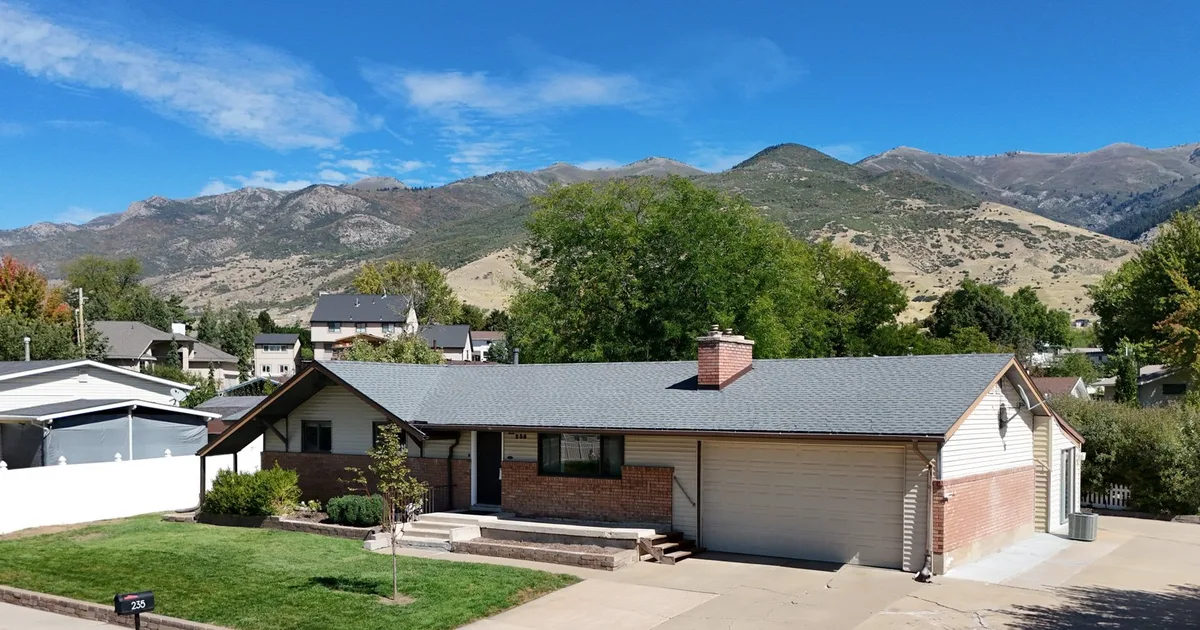
What should Davis County buyers check in the CC&Rs?
Before your due diligence deadline, read the CC&Rs for the home you are buying and check every rule that touches how you plan to use it. The ones that surprise Davis County buyers most often are RV and trailer parking, fences, sheds and detached garages, renting the home out, home businesses and exterior changes like paint colors or solar. If a rule blocks your plans, you want to know while you can still ask questions or cancel.
CC&Rs stands for covenants, conditions and restrictions. They are recorded rules attached to the land in a subdivision, and they usually bind every future owner, not only the first one. Many neighborhoods in Layton, Kaysville, Syracuse and Farmington have them, including some with no active homeowners association.
Charisse Walker is a real estate agent with Chalker Properties Group in Salt Lake and Davis County, Utah, and a licensed mortgage lender. Here is how to find the documents, what to look for and what to do when a rule gets in the way.
Where do you find a home's CC&Rs?
CC&Rs are recorded with the Davis County Recorder's Office, so they are public. You usually do not have to hunt for them yourself. Here are the common sources:
- The title commitment. Your title company lists the recorded documents that affect the property, including CC&Rs and any amendments. Ask for copies of each one listed.
- The HOA, if there is one. An active association should also provide its bylaws, rules and any architectural guidelines. Those can be stricter or more detailed than the CC&Rs.
- The seller. Owners often have a copy from their own purchase. Make sure it includes every amendment.
Read the amendments, not only the original. A subdivision recorded decades ago may have changed its rules since.
Which rules surprise buyers most often?
- RV, boat and trailer parking. Some CC&Rs ban parking them in the driveway or side yard, limit it to a set number of days or require them to be behind a fence. A home with an RV pad does not always mean you can use it the way you expect.
- Fences. Height, material, color and placement are common rules. Some neighborhoods require approval before a fence goes up.
- Sheds, detached garages and shops. Size, height, setbacks and materials may be limited, and many require approval first.
- Renting the home. Some associations limit rentals, set minimum lease terms or ban short-term rentals. If you might rent the home out later, this matters.
- Home businesses. Rules may limit signage, customer traffic or deliveries.
- Exterior changes. Paint colors, roofing, landscaping and solar panels can require approval. Utah law limits some of what an association can restrict, so ask the HOA how its rules apply.
- Animals. Limits on the number or type of animals, including backyard chickens in some neighborhoods.
Do city rules apply too?
Yes. CC&Rs are private rules. City zoning and building codes are public rules. Both apply, and the stricter one usually controls. A shed the CC&Rs allow may still need a city permit, and a fence the city allows may still need HOA approval.
Each city in Davis County sets its own rules for things like fence height, accessory buildings and RV parking. If your plans depend on one of these, call the city's planning or building office during due diligence and ask. Write down who you spoke with and what they said.
How do you check the CC&Rs, step by step?
- Write down your plans first. The trailer, the shop, the fence, the rental plan, the business. You cannot check rules against plans you have not named.
- Request the documents on day one. Ask the title company for the recorded CC&Rs and amendments, and ask the seller's side for the HOA's rules and guidelines.
- Search for your keywords. Look for words like vehicle, trailer, recreational, fence, accessory, outbuilding, lease, rental, business and architectural.
- Look for an approval process. Many rules are not outright bans. They require a request to an architectural committee. Find out how long approval takes.
- Ask about enforcement. An active HOA may send violation notices or charge fines. Ask whether the current owner has any open violations.
- Decide before your deadline. If a rule conflicts with your plans, talk with your agent about your options while you still have them.
Our guide to the Utah purchase contract explains how the due diligence deadline works.
What if the CC&Rs say no to something you want?
You have a few paths, depending on how much the rule matters to you:
- Ask about approval or a variance. Some associations approve requests that meet set conditions. Get any answer in writing.
- Adjust your plan. Store the trailer off-site, choose a different fence material or build a smaller shed that meets the rules.
- Keep looking. If the rule goes to the heart of why you are buying, it may be the wrong home. Cancelling under the contract's terms before the deadline protects your earnest money.
Do not count on a rule going unenforced. A neighbor can complain at any time, and an association can enforce rules it has ignored before, depending on the documents and the facts.
What mistakes do buyers make with CC&Rs?
- Assuming there are no rules because there is no HOA fee.
- Reading the original CC&Rs and missing a later amendment.
- Seeing an RV parked next door and assuming it is allowed.
- Building or installing first and asking for approval later.
- Waiting until the last days of due diligence to request the documents.
Charisse Walker is a real estate agent with Chalker Properties Group in Salt Lake and Davis County, Utah, and a licensed mortgage lender. Most CC&R problems are cheap to find before closing and costly to fix after it.
What does this look like for a typical buyer?
Here is a typical example, not a real client. A buyer goes under contract on a home in north Davis County with a wide side yard. They own a travel trailer and plan to park it there.
On day two, they request the CC&Rs from the title company. A later amendment allows trailers only behind a solid fence of a set height, with approval from the architectural committee. The buyer calls the city and learns a fence of that height needs a permit. They ask the HOA how long approval takes, get a fence quote and decide the home still works. They close knowing what it will take to park the trailer, instead of finding out from a violation notice in the spring.
Frequently asked questions
Can CC&Rs exist without an HOA?
Yes. Some subdivisions have recorded CC&Rs but no active association. The rules can still be enforced, often by other owners.
Are CC&Rs the same as HOA rules?
No. The CC&Rs are the recorded foundation. HOA rules and architectural guidelines add detail and can change more easily.
Can CC&Rs be changed?
Usually, through an owner vote described in the documents. That is why amendments matter.
Who reads the CC&Rs during my purchase?
You do. Your agent can help you find them and point out common issues, and for legal questions, an attorney can review them.
Do CC&Rs affect my loan?
Rarely, but HOA dues count in your monthly payment when a lender figures what you can afford.
What should you do next?
If you are shopping for a home in Davis County, make a list of how you plan to use the property before you write an offer. Our guides on buying a home and for move-up buyers cover the rest of the process, and our Syracuse and Kaysville pages have local context.
At Chalker Properties Group, we request the recorded documents early so you have time to read them before your deadline. Charisse Walker is a real estate agent with Chalker Properties Group in Salt Lake and Davis County, Utah, and a licensed mortgage lender. If you want help checking a home against your plans, contact Charisse and we will go through it together.