2026-11-14 · 7 min read · Davis County
Can You Buy a Davis County Home Without Seeing It in Person?
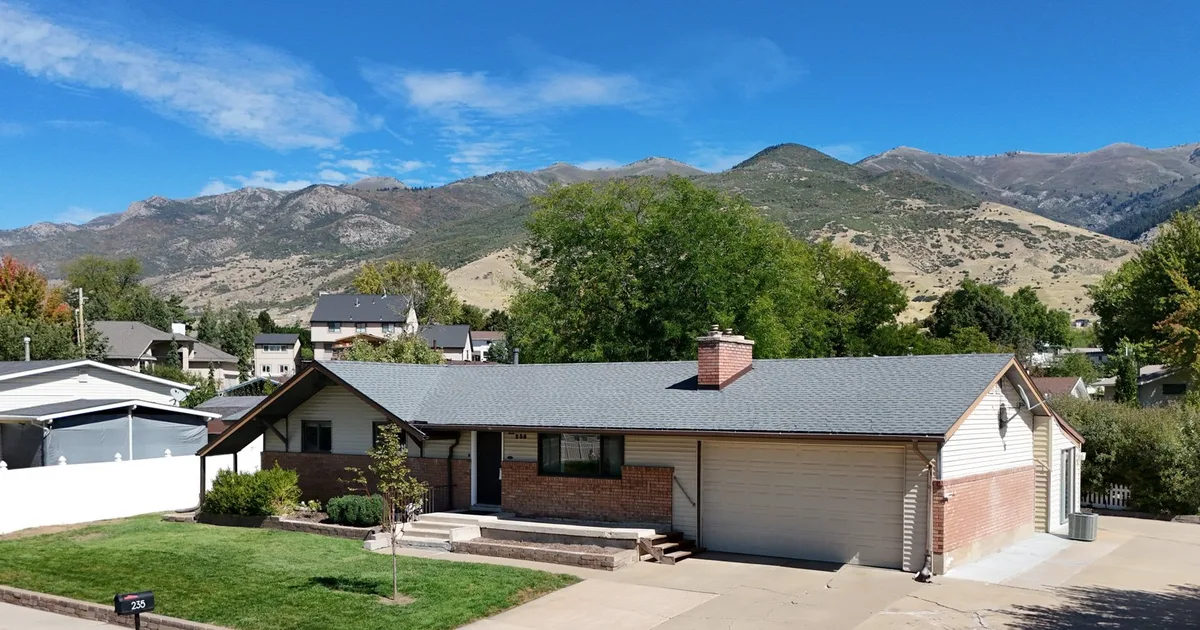
Can you buy a Davis County home without seeing it in person?
Yes. Buyers do it, especially when relocating, serving in the military or working far from Utah. It carries more risk than buying after a walkthrough, so the work is to replace your own eyes with strong substitutes: a live video tour, a full inspection, a good set of documents and an agent who will look hard at the things you cannot.
IDPLACE
This article covers how remote buyers set up a purchase, what to ask for, how signing works from a distance and where the real risks are.
What is the safest way to tour a home you cannot visit?
Photos are chosen to flatter a home. A live video tour is a better test, because you can ask the agent to turn the camera where you want it.
Ask your agent to do these on a live call:
- Walk the full exterior, including the roof edges, gutters, fence lines and the grade near the foundation
- Open every closet, cabinet and the attic hatch
- Run the faucets and flush the toilets, then check below the sinks
- Test the furnace and the air conditioning
- Check the garage, the basement and any crawl space
- Stand on each side of the lot to show what is next to and behind it
- Walk out the front door and down the street so you can see the surroundings, traffic and parking
Sound matters, so ask for a short stretch of video with the windows shut and another with them open. You can hear road noise or aircraft that a photo hides. Near Hill Air Force Base, flight activity is worth asking about. The article on buying a home near Hill Air Force Base covers what to check.
Can you visit once and still buy remotely?
Many remote buyers make one trip and use video for everything before it. Look at homes from afar until you have two or three finalists, then fly in for a day or two and see them in person. That costs less than a trip for every showing, and it removes the highest risk.
If you cannot travel at all, you can still buy. You need to rely more on the inspection and on someone you trust to be on site. Tell your agent early so the plan fits your situation.
For the bigger relocation picture, see the guide to relocating to Utah from out of state and the article on relocating to Davis County. The relocation buyer page lists the steps.
What inspections matter most when you buy from a distance?
The inspection is your eyes. Do not shorten it, and consider adding to it. Ask your agent which of these apply to the home:
- A full home inspection. Attend by video if you can, and ask the inspector to explain findings on camera.
- A sewer scope for an older home, since sewer lines are out of sight.
- A radon test, since radon is a known concern in parts of Utah. The article on radon, sump pumps and drainage explains what to ask.
- A roof and chimney look if the inspector flags age or wear.
- A specialist for anything the inspector says is beyond their scope, such as a foundation, electrical panel or HVAC.
Read the whole report, not the summary. If a finding is vague, ask for the inspector's photos and a plain explanation. The guide to what to expect at a Utah home inspection shows how the process works.
How do you make an offer and sign when you are not in Utah?
Almost everything in a purchase can be done electronically. Offers, counteroffers and disclosures are usually signed with e-signature software. Your agent sends the documents, you review and sign them from anywhere, and your signature is timestamped.
Closing is the step to plan carefully. Signing options vary by title company and by loan type, so ask your escrow officer early. Common arrangements include:
- Signing in person at the title company on a trip
- Signing with a mobile notary who comes to you
- Signing at a notary near you, with documents sent in advance by the title company
- Using a power of attorney, which some lenders accept and some do not. It has to be set up correctly and approved in advance.
Do not assume any one of these will be accepted. Ask your lender and the title company which they allow for your loan, and do it before you make an offer, not the week before closing.
Wire fraud is a real risk in every purchase, and remote buyers are targets. Never send money based on an emailed instruction. Call the title company at a number you found on your own and confirm the wiring details by voice.
What risks come with buying sight unseen, and how do you reduce them?
- Surprises about the surroundings. Photos do not show a nearby busy road, a noisy neighbor's yard or an odd slope. Use a map, a street-level view and a live walk down the block. Ask your agent to visit at different times of day.
- Condition you cannot judge. A strong inspection and an agent who checks the home in person reduce this.
- Overbidding in a rush. Remote buyers sometimes feel pressure to act fast. Know your limit before you tour, and look at recent sales to see what supports a price.
- Waiving protections to compete. Giving up an inspection or appraisal protection is a bigger gamble when you have not seen the home. The article on waiving the appraisal contingency explains the tradeoff.
- Move-in problems. Ask for a final walk-through by video, and have your agent do it in person, on the day before closing.
What does a typical remote purchase look like? An example.
This is a typical example, not a description of a particular client. A buyer is relocating to Davis County for work and cannot leave their current job for a house hunt. They get pre-approved with their own lender, set a price range and give their agent a short list of must-haves.
Over two weeks, they tour six homes on live video. Two stand out. They fly in on a Friday and see those two in person on Saturday. They make an offer on one with the inspection and appraisal protections intact. The inspection happens while they listen by video, and the inspector points out a worn water heater, which they negotiate as a credit.
The title company arranges a mobile notary for signing at the buyer's home. Their agent does a walk-through in person and sends video the day before closing. The buyer's first visit as an owner is move-in day, and nothing in it is a surprise.
Questions about buying a Davis County home remotely
Is it safe to buy a house without seeing it?
It is a bigger risk than buying after a visit. You reduce it with a live video tour, a full inspection, a careful read of the disclosures and an agent who checks the home in person.
Can I get a mortgage if I am out of state?
Yes. Lenders work with out-of-state buyers regularly. Ask yours about signing options at closing.
Do I need an agent in Utah to buy remotely?
It helps a great deal. Your agent is your eyes and ears, handles the paperwork and can be on site when you cannot.
Can I back out after I see the home in person?
Only as far as your contract allows. Your inspection and financing deadlines define your options, so read them before you offer.
How do I avoid wire fraud?
Verify wiring instructions by phone with the title company, using a number you found independently, and never act on emailed changes.
How can Chalker Properties Group help you buy in Davis County?
Charisse Walker is a real estate agent with Chalker Properties Group in Salt Lake and Davis County, Utah, and a licensed mortgage lender. When she is your agent, she runs live video tours, attends inspections, checks the home in person and keeps your deadlines in front of you. Your loan stays with your lender.
If you are moving to Utah, the relocation page covers the steps, the Kaysville area page compares commute and price, and the process page shows how she works.
Planning a move to Davis County? Tell Charisse your timeline and she will build the plan with you.