2026-11-13 · 8 min read · Davis County
What Should You Check on a Davis County Home With Solar Panels Before You Buy?
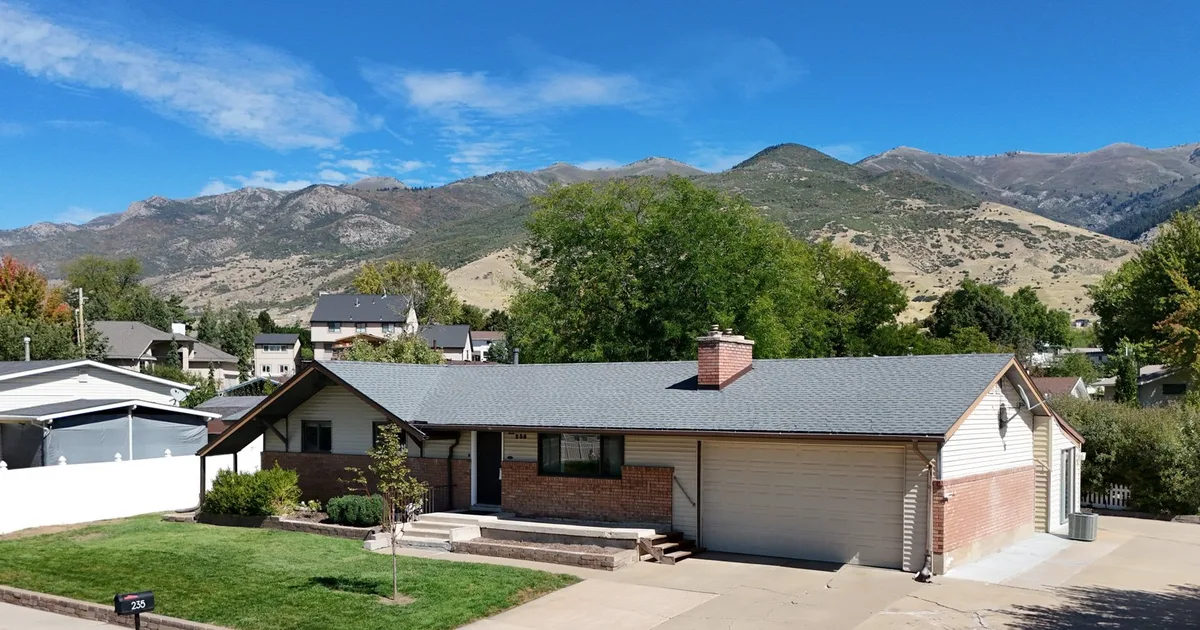
What should you check on a Davis County home with solar panels before you buy?
Start with one question: does the seller own the panels, or are they leased or sold under a power purchase agreement? Owned panels are part of the house. Leased panels are a contract you may be asked to take over. Everything else on the checklist flows from that answer.
Charisse Walker is a real estate agent with Chalker Properties Group in Salt Lake and Davis County, Utah, and a licensed mortgage lender. She asks about it before a buyer writes an offer, because the paperwork behind a roof full of panels can change your loan, your monthly cost and your closing timeline.
This article walks through the questions to ask, the documents to request, and the mistakes buyers make when a listing says "solar" and nothing more.
What is the difference between owned, leased and PPA solar?
Listings often use "solar" for all three. They are not the same thing.
- Owned. The seller paid cash or financed the system with a loan. The panels belong to the seller and transfer with the house. If there is a solar loan, it has to be paid off at closing or handled in the contract.
- Leased. A company owns the panels and the seller pays a fixed monthly amount to use them. If you buy the house, you either take over the lease or the seller pays it off.
- Power purchase agreement (PPA). A company owns the panels and the seller pays for the electricity they produce, usually at a per-kilowatt-hour rate that may rise on a schedule.
With a lease or PPA, the buyer is not just buying a house. You are agreeing to a contract with a third party, often for a term measured in many years. Read it the way you would read any contract you are about to sign.
Which documents should you ask for?
Ask your agent to request these as soon as the seller confirms solar, not after the inspection period has started to run:
- The agreement itself. Lease, PPA or loan documents, every page, including the amendments.
- The term and the end date. How many years remain, and what happens at the end: renewal, removal, buyout or transfer of ownership.
- The monthly payment and any escalator. Some agreements raise the payment every year. Ask for the schedule in writing.
- The transfer terms. Does the company allow a buyer to assume the contract? What credit check does it run, and how long does approval take?
- Any lien or fixture filing. Solar companies often record a filing against the property. Your title company will see it. Ask what it secures and how it is released.
- Production and monitoring records. Many systems have an app that shows how much power the panels have produced. That tells you whether the system is doing what it was sold to do.
- Warranty papers and the installer's name. Roof penetration warranties and equipment warranties are separate things.
- The interconnection approval from the utility. This shows the system was properly permitted and connected.
How does solar affect your mortgage?
Lenders treat the three types differently, and the rules vary by loan program and by lender. In general terms:
- An owned system with no loan is usually the simplest.
- A solar loan secured by the home can add a lien your lender wants cleared or accounted for.
- A lease or PPA may need the lender's review. Some programs have specific requirements about the agreement and about who has priority if there is a recorded filing.
Rather than guess, ask your lender early which documents they need, and send them the solar agreement the same day you get it. A lender that learns about a recorded solar filing two weeks before closing is a lender that asks for a delay.
Also ask whether your lender counts a lease payment in your debt-to-income ratio. In some cases it does, and that can change how much house you qualify for. Your lender can answer that for your file. An article cannot.
What should you check about the roof underneath the panels?
Panels sit on the roof, so the roof matters twice. First, how old is the roofing? If the roof is near the end of its life, replacing it means removing the panels and reinstalling them, which is a separate cost and a separate scheduling job. Get a quote for that before you decide what the house is worth to you.
Second, how were the panels attached? A licensed roofer or your home inspector can look at flashing, mounts and any signs of past leaks around the penetrations. A general home inspection may not cover the solar equipment itself, so ask your inspector what is and is not included, and consider a specialist if the system is a major part of the value of the house.
Davis County winters bring snow loads and freeze-thaw cycles. Look for water staining in the attic below the array, and ask whether the seller has ever had a leak repaired near the panels, and who did the work.
Does solar actually lower the bills, and how do you check?
Do not rely on a flyer or a number in the listing. Ask for twelve months of electric bills, plus the production record from the monitoring app, and put them side by side.
What you want to see is the full picture: the electric bill, plus the lease, PPA or loan payment, compared with what a similar home without solar pays. Rates, credits for power sent to the grid, and billing rules for solar customers are set by the utility and its regulators, and they can change. Ask the utility how the account would be billed under the new owner, rather than assuming the seller's arrangement carries over.
A summer month and a winter month tell different stories. Panels produce less in short winter days, so a seller's best months may not be a fair preview of your year.
What are the common mistakes buyers make with solar homes?
- Assuming the panels are owned. Check the paperwork, not the listing description.
- Paying extra for solar without proof it helps. If the panels are leased, there may be nothing to add to the price, since you are taking on a payment too.
- Discovering the lender requirements late. Tell your lender on day one.
- Skipping the roof question. A cheap house with an expensive roof job is not cheap.
- Missing the transfer approval timeline. If the solar company must approve you, that approval has to fit inside your contract deadlines.
- Ignoring the end of the term. Know what happens in year 15 or 20, and who pays for removal if you ever need to replace the roof.
What does this look like in a typical Davis County purchase?
Here is a typical example, not a client story. A buyer finds a Layton home with panels on the south-facing roof. The listing says "solar included." The buyer's agent asks the listing agent for the agreement before the offer. It turns out to be a lease with several years left and a payment that rises each year.
The buyer now has choices. They can ask the seller to pay off the lease at closing. They can ask for the lease to be assumed, and add a deadline in the contract for the solar company's approval. They can negotiate the price to reflect the added monthly payment. Or they can walk away. Each of these is a real option, and none of them is available if the lease is discovered after the inspection period has ended.
The point of the example is the order of events. Ask early, put the answer in the contract, and give yourself deadlines that match the paperwork.
How do you put solar into the contract?
Your agent can write the solar terms into the offer so nothing depends on a promise made at a showing. That usually means naming the type of system, stating who will pay off or transfer any agreement, and setting a deadline for the buyer to review the documents. The Utah purchase contract has places for added terms, and your agent and the seller's agent can use them.
If the sale depends on a transfer approval, make that approval a condition with a date on it. If the seller is paying off a solar loan, the payoff belongs on the closing statement, and your title company can confirm that the lien is released.
This is general information about the process, not legal advice. For questions about how a specific agreement reads, a real estate attorney is the right person.
Frequently asked questions
Do solar panels add value to a Davis County home? It depends on whether they are owned and on what the buyer is willing to pay. Appraisers and lenders handle owned and leased systems differently, so ask your lender and your agent rather than assuming a number.
Can I refuse to take over a solar lease? You can make your offer conditional on the seller paying it off, or you can choose a different house. The contract you negotiate decides it.
Who pays to remove panels during a roof replacement? Whoever owns the system, usually, unless the agreement says otherwise. Read the removal terms.
Does the home inspection cover the panels? Often only partly. Ask your inspector what they check, and hire a specialist if you want the system tested.
Is there a tax credit for the buyer? Tax credits depend on who owns the system and when it was placed in service, and the rules change. Ask a tax professional before counting on one.
How can Chalker Properties Group help you buy in Davis County?
Charisse Walker is a real estate agent with Chalker Properties Group in Salt Lake and Davis County, Utah, and a licensed mortgage lender. When she is your agent, she asks for the solar paperwork before your offer, builds the review into your contract deadlines, and keeps your lender in the loop so the loan does not stall near closing.
If you are early in the search, the buying a home page explains the steps, and the Layton area page and Kaysville area page compare those cities on commute and price. The process page shows how a purchase moves from offer to closing.
Looking at a Davis County home with panels on the roof? Contact Charisse and send her the listing.