2026-11-19 · 8 min read · Salt Lake County
Bridge Loans in Salt Lake County: Can You Buy Your Next Home Before You Sell?
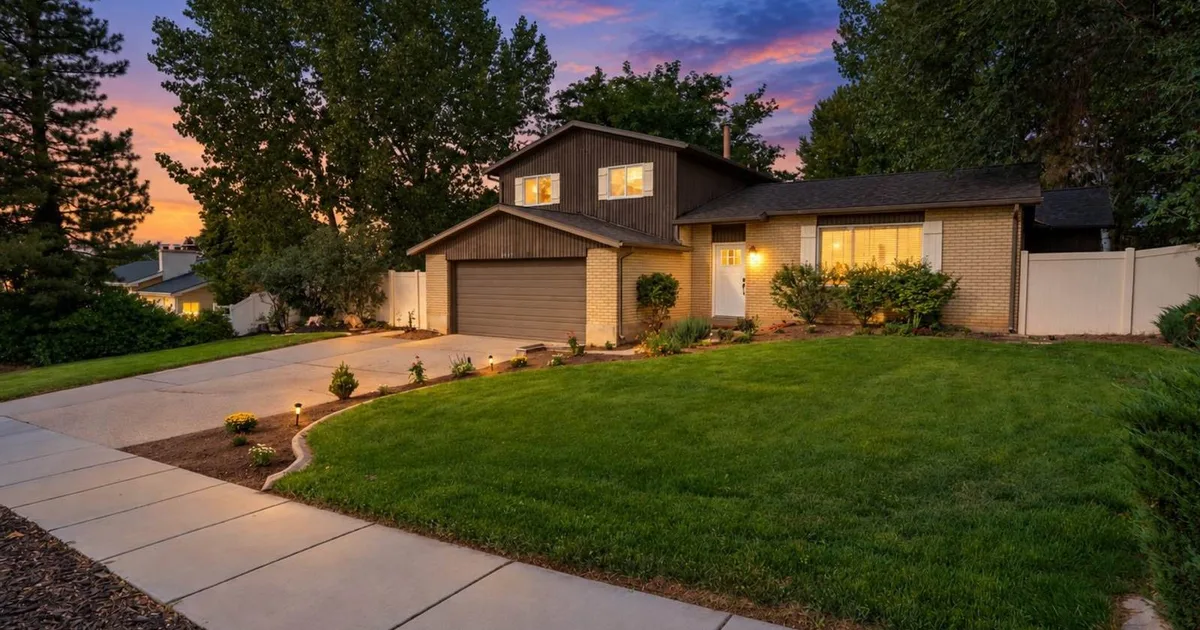
Can you buy your next Salt Lake County home before you sell the one you are in?
Yes, and a bridge loan is one way to do it. A bridge loan is a short-term loan secured by the home you already own. It gives you access to that equity now, usually for a down payment on the next home, and it is paid off when your current home sells. It solves a timing problem. It also costs more than a standard mortgage and adds risk if your home takes longer to sell than you planned.
Salt Lake County homeowners who want to move without moving twice ask about this often. Charisse Walker is a real estate agent with Chalker Properties Group in Salt Lake and Davis County, Utah, and a licensed mortgage lender. This guide explains how bridge loans usually work, what a lender will look at, and the other ways to handle the same problem.
How does a bridge loan work?
The details vary by lender, but the basic shape is similar. The lender looks at the value of your current home and what you still owe on it. They lend against part of the remaining equity, often with a term measured in months rather than years. Some bridge loans pay off your current mortgage and roll it in. Others sit behind your existing mortgage as a second lien.
You use the funds toward the down payment and closing costs on your new home, which you finance with a regular mortgage. When your old home sells, the sale proceeds pay off the bridge loan. Some bridge loans let you defer payments until the sale, with the interest added to the balance. Others require monthly payments from the start.
Not every lender offers bridge loans, and the terms differ a great deal from one to the next. Get the details in writing and compare them side by side.
What do lenders look at before approving a bridge loan?
Expect a lender to review most of the same things they would for any mortgage, plus a few that are specific to the bridge:
- Your equity. How much your current home is worth, what you owe, and how much the lender is willing to lend against it.
- Your ability to carry both homes. Many lenders want to see that you could handle the payments on both properties for a while, in case the sale takes longer.
- Your credit and debt-to-income ratio. The new mortgage, the bridge loan and your current mortgage can all show up in the math, depending on how the loan is set up.
- Your plan to sell. Some lenders want the current home listed, or even under contract, before they fund.
- Your reserves. Savings left over after closing give the lender, and you, a cushion if the sale is slow.
Ask your lender to show you the debt-to-income math with and without your current payment, so you know how much house the plan supports.
What does a bridge loan cost?
Bridge loans usually carry a higher interest rate than a standard 30-year mortgage, and many come with origination fees, appraisal costs and closing costs of their own. Because they are short-term, those upfront costs make up a big share of the total.
The real cost depends on how long you hold it. A bridge loan paid off in six weeks costs far less than one that runs for many months while your old home sits on the market. When you compare options, ask each lender for a written estimate and run the numbers for a quick sale and a slow one. If the slow-sale version is a number you can't live with, that tells you something.
I won't quote a rate here. Rates and fees change, and the only numbers worth planning around are the ones a lender gives you for your own file.
What are the alternatives to a bridge loan?
A bridge loan is one tool. Depending on your equity, your income and your timeline, one of these may fit better:
- A home equity line of credit (HELOC). If you open it before you list, it can work like a bridge at a lower cost. Many lenders will not open a HELOC on a home that is already listed for sale, so timing matters.
- Buying with a sale contingency. Your offer depends on selling your current home. It costs nothing extra, but sellers often see it as a weaker offer.
- Selling first with a rent-back. You sell, then rent your old home from the buyer for a short time while you shop. You know your net before you buy.
- Using savings or retirement funds. This avoids new debt but has its own trade-offs. Talk with a tax professional before touching retirement money.
- Qualifying for both mortgages. If your income supports both payments, you may be able to buy first with a regular mortgage and sell afterward.
Our guide for move-up buyers walks through how the buying side and the selling side fit together.
How do you decide whether a bridge loan makes sense for you?
Here is a simple way to think it through, step by step:
- Get a realistic value for your current home. A pricing conversation based on recent sales, not an online estimate.
- Find out your equity. Value minus your payoff amount, minus your expected costs to sell.
- Ask a lender what you qualify for with and without your current payment. That shows whether you need a bridge at all.
- Get written estimates for two or three options. A bridge loan, a HELOC and selling first, compared on total cost.
- Plan for a slow sale. Decide how many months of two payments you can carry before you commit.
Salt Lake County has been one of the tighter markets along the Wasatch Front, but timing still varies a lot by price point and neighborhood. A plan that only works if your home sells in the first week is not a plan.
What are the most common mistakes homeowners make with bridge loans?
- Pricing the current home on hope, then carrying two payments while it sits.
- Comparing interest rates and ignoring the upfront fees.
- Waiting to apply for a HELOC until after the home is listed.
- Not reading whether payments are due monthly or deferred until the sale.
- Draining savings for the down payment and leaving no cushion.
- Skipping the conversation about what happens if the old home does not sell by the end of the loan term.
What does this look like for a typical homeowner?
Here is a typical example, not a real client. A homeowner in Murray has lived in their house for twelve years and has a good amount of equity. They are relocating within the valley to be closer to a new job in South Jordan, and they don't want to move into a rental first.
Their lender shows them they can qualify for the new mortgage, but only if the down payment comes from their current home. They compare a HELOC opened before listing with a bridge loan. The HELOC is cheaper, so they open it first, then list the Murray home. They write an offer on a home in South Jordan without a sale contingency, close, move once, and sell the Murray home a few weeks later. The sale proceeds pay off the HELOC.
The step that made it work was getting the order right: line of credit first, listing second.
Charisse Walker is a real estate agent with Chalker Properties Group in Salt Lake and Davis County, Utah, and a licensed mortgage lender. Under Utah rules, she can be your real estate agent or your loan officer, but not both on the same transaction. When she represents you in the sale or purchase, your loan goes through your own lender, and she helps you know what to ask them.
Frequently asked questions
How long does a bridge loan last?
Usually months, not years. Ask the lender for the exact term and what happens if your home has not sold by the end.
Do I have to list my home before getting a bridge loan?
Some lenders require it, and some do not. Ask before you apply.
Will a bridge loan make my offer stronger?
It can, because it lets you write an offer without a sale contingency.
Can I use a bridge loan with an FHA or VA loan on the new home?
It depends on the program and the lender. Ask how the bridge funds would be sourced and counted.
Is a HELOC cheaper than a bridge loan?
Often, if you open it before you list. Compare written estimates for both.
What is the next step?
If you want to buy your next Salt Lake County home before selling, start with two numbers: what your current home will likely sell for, and what a lender says you qualify for. Our guides on home valuation, selling your home and the process cover what comes next, and our Murray and South Jordan pages have local context.
When you are ready, contact Charisse here, and we will map out the order of your move, simplified.
Charisse Walker, NMLS #2118149, is a mortgage loan originator with Morty, Inc., a licensed mortgage broker, NMLS #1429243. All loans are funded by third-party lenders. Equal Housing Opportunity.