2026-11-13 · 8 min read · Salt Lake County
What Is an Assumable Mortgage, and Can It Help You Buy in Salt Lake County?
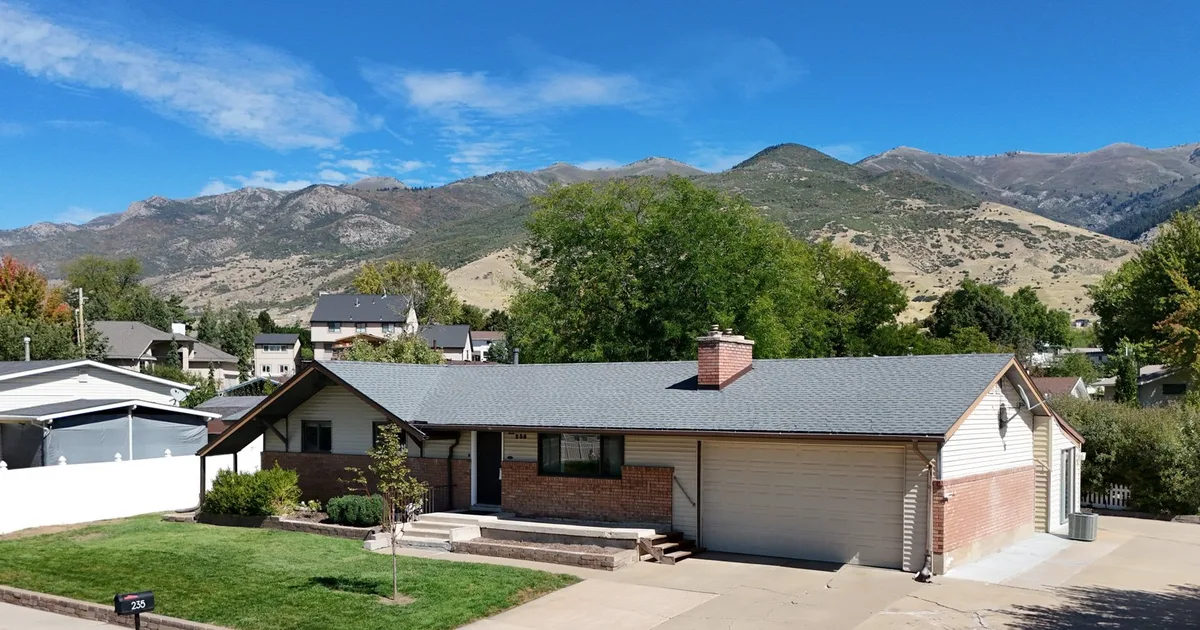
What is an assumable mortgage, and can it help you buy in Salt Lake County?
An assumable mortgage lets a buyer take over the seller's existing loan, with its current rate and remaining balance, instead of getting a new loan. It can help when the seller's rate is lower than what new loans offer today. It is not available on every loan, it needs the lender's approval, and the buyer has to cover the gap between the sale price and the loan balance.
Charisse Walker is a real estate agent with Chalker Properties Group in Salt Lake and Davis County, Utah, and a licensed mortgage lender. She explains assumptions as an option to check, not a shortcut, because the details decide whether one works for a particular home.
This article covers which loans can be assumed, what the process looks like, what it costs, and the questions to ask before you build a plan around one. Rates change, so nothing here quotes a current number. Ask a lender for today's figures.
Which loans can be assumed?
Generally, government-backed loans are the ones that allow assumption:
- FHA loans. A qualified buyer can assume an FHA loan, subject to the lender's approval.
- VA loans. A VA loan can be assumed by a qualified buyer, and the seller's VA entitlement stays tied up unless the buyer is also a veteran who substitutes their own entitlement.
- USDA loans. These can also be assumed under the program's rules.
Most conventional loans have a due-on-sale clause, which lets the lender call the loan due when the property is sold. That means a conventional loan is not usually assumable. Some adjustable-rate loans have assumption provisions, so the loan documents are the thing to read.
The first step is to find out what type of loan the seller has. A listing will not usually say, so your agent can ask the seller's agent.
How does an assumption work, step by step?
- Confirm the loan type and that it can be assumed. Ask the seller to request an assumption package from their loan servicer.
- Check the numbers. Find the remaining balance, the interest rate, the monthly payment and the remaining term.
- Calculate the gap. If the price is higher than the balance, you must pay the difference at closing in cash, or finance it another way.
- Apply. The buyer submits a full application to the servicer, with income, credit and assets documented as for any loan.
- Wait for underwriting and approval. This is a step where timelines matter. Assumptions have often taken longer than new loans, so ask the servicer for its current timeline.
- Close. The buyer takes over the loan, and the seller is released from liability when the servicer approves it. Make sure the release is in writing.
What is the catch? The gap, the timeline and the release
Three issues come up on nearly every assumption.
The gap. Say the home sells for more than the loan balance. The buyer needs to bring the difference. Some buyers add a second loan to cover it, and lenders have their own rules about second loans on top of an assumed first loan. Your lender can tell you what combination works. If the gap is large, the monthly savings may not make up for the cash and financing you need to bridge it.
The timeline. Servicers handle assumptions at their own pace. A contract with a short closing date can fall apart if the servicer is slow. Build in a longer closing period and a clear way out if approval does not come.
The release. If the seller is not released, they can remain responsible for the loan after the buyer takes it over. A seller should get written confirmation of the release, and for a VA loan, ask how their entitlement will be restored.
How do you compare an assumption with a new loan?
Ask your lender for two side-by-side estimates: the assumption path and a new loan at today's rates. Look at the full picture rather than only the interest rate:
- Cash needed at closing for each option
- The monthly payment, including mortgage insurance and any second loan
- The remaining term. An assumed loan may have fewer years left, which raises the payment compared to a new thirty-year loan with the same balance
- Assumption fees and closing costs for each path
- What happens if you want to refinance later
A lower rate matters most when the balance is large and the gap is small. When the gap is large, the cash needed can erase the benefit. The only way to know is to run both. Your affordability picture should include the cash you would need to bring.
What does an assumption mean for the seller?
Sellers can use the option, too. A home with an assumable loan may appeal to buyers who value the existing rate, and that can help a listing. Sellers should know what they are agreeing to:
- They will need to request the assumption package and cooperate with the servicer.
- The sale can take longer than a typical closing.
- They need a written release from the loan.
- On a VA loan, a veteran seller needs to understand how their entitlement is affected.
A seller who wants to advertise an assumable loan should confirm with the servicer that it is assumable under current terms, and should describe it accurately in the listing, without quoting a rate or a savings figure that may change.
What mistakes do buyers make with assumable loans?
- Assuming a loan is assumable. Confirm with the servicer.
- Ignoring the gap. Run the cash number first.
- Setting a short closing date. Give the servicer time.
- Skipping the second-loan question. Ask what financing is allowed for the gap before you make an offer.
- Falling for the rate alone. Compare total cost, not only the interest rate.
- Not getting the seller's release in writing. It protects both sides.
What does this look like for a typical Salt Lake County buyer?
Here is a typical example, not a client story. A buyer in Draper is looking at a home listed with an assumable FHA loan. The seller's balance is well below the sale price. The buyer's lender runs two scenarios. In the first, the buyer assumes the loan and brings a large amount of cash for the gap. In the second, the buyer gets a new loan with a smaller down payment.
The monthly payment on the assumption is lower, but the cash needed at closing is much higher, and the buyer would have to find that money. The buyer chooses based on their savings, their plans for how long to stay, and how comfortable they are with a longer approval process. The point is that neither path wins automatically. The numbers decide.
What questions should you ask a servicer or lender about an assumption?
Bring this list to the seller's servicer and to your own lender. Is this loan assumable under its current terms? What is the exact balance and rate today? What does your underwriting require from me? What are the assumption fees? How long does approval usually take right now? Will the seller get a written release? Can a second loan be used to cover the gap, and what are the limits?
Write the answers down and ask your agent to add the key dates and conditions to the contract. A good plan has a timeline, a fallback and a person responsible for each step.
Frequently asked questions
Can I assume a conventional loan? Usually not, because of the due-on-sale clause. Check the loan documents.
Do I need to qualify to assume a loan? Yes. The servicer reviews your income, credit and assets.
Does the interest rate change when I assume? The rate on the assumed loan generally stays as written. Ask the servicer to confirm.
Can a veteran assume a VA loan? Yes, and so can a non-veteran in many cases. The effect on the seller's entitlement is the thing to understand.
How long does an assumption take? It varies by servicer, so ask for their current timeline before you set a closing date.
How can Chalker Properties Group help you with financing in Salt Lake County?
Charisse Walker is a real estate agent with Chalker Properties Group in Salt Lake and Davis County, Utah, and a licensed mortgage lender. Utah rules keep her from acting as both your agent and your loan officer on the same purchase, so when she is your agent, your loan comes from your own lender and she does not give lending advice. Her lending background helps her ask your lender the right questions, and she builds the timeline into your contract.
The first-time buyers page and the VA and military page explain how loans fit into a purchase, and the Draper area page compares that city on commute and price. For the whole path, see the process page.
Looking at a home with a loan you might assume? Contact Charisse and send her the listing.
Charisse Walker, NMLS #2118149, is a mortgage loan originator with Morty, Inc., a licensed mortgage broker, NMLS #1429243. All loans are funded by third-party lenders. Equal Housing Opportunity.